
The energy landscape is shifting dramatically, with Virtual Power Plants (VPPs) emerging as a compelling alternative to traditional gas peaker plants. The recent introduction of the Huels test—a conceptual framework inspired by the Turing test—could redefine how we assess these innovative energy solutions. This test evaluates whether grid operators can distinguish between a VPP and a gas peaker based on their operational capabilities, paving the way for greater integration of renewable energy into our power systems.
Understanding Virtual Power Plants and Gas Peakers
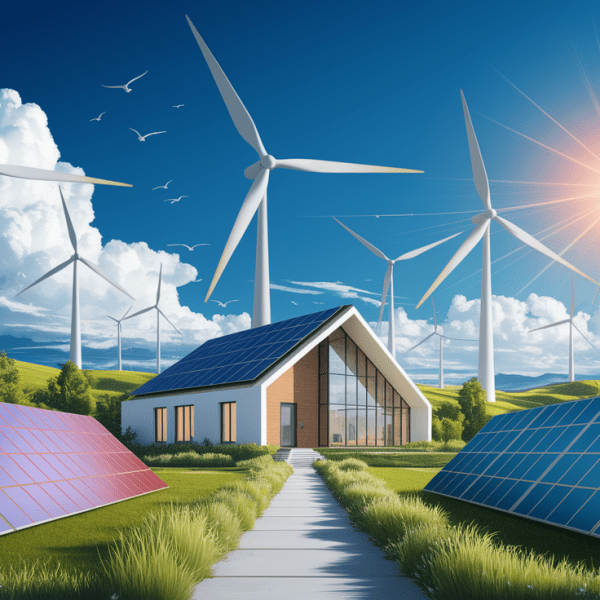
A Virtual Power Plant aggregates a variety of distributed energy resources (DERs), such as rooftop solar panels, battery storage, and electric vehicle chargers. These resources can be coordinated through sophisticated software to provide essential grid services, including energy capacity and emergency response. In contrast, gas peaker plants are centralized facilities that use natural gas to generate electricity during peak demand periods. While gas peakers deliver reliable, predictable output, they also contribute to greenhouse gas emissions and air pollution.
Key distinctions between VPPs and gas peakers include:
- Asset Distribution: VPPs consist of many smaller, decentralized units, while gas peakers are large, centralized facilities.
- Telemetry and Control: VPPs rely on advanced communication technologies, whereas gas peakers utilize established SCADA systems.
- Response Profiles: VPPs can offer flexible responses to grid demands, while gas peakers provide consistent output based on fuel availability.
The Huels Test: A New Benchmark for Reliability
Developed by EnergyHub, the Huels test sets a high standard for VPPs aiming to reach equivalency with gas peakers in terms of operational reliability. To pass this test, a VPP must:
- Deliver Accurate Telemetry: Provide real-time data at intervals of less than five minutes directly to grid operators.
- Be Schedulable: Follow complex pre- and post-event schedules to manage load effectively during high-demand periods.
- Demonstrate Year-Round Availability: Offer reliable performance over extended durations, specifically 4 to 6 hours during peak demand.
EnergyHub’s five-level VPP maturity model further outlines the capabilities necessary for VPPs to evolve from simple demand response solutions to fully autonomous systems capable of peak load management.
Performance Metrics and Economic Value
Recent analyses indicate that VPPs can deliver grid services at significantly lower costs compared to traditional gas peaker plants. For instance, a study by the Brattle Group for Google revealed that VPPs could achieve net costs 40% to 60% lower than those of gas peakers while maintaining comparable reliability. By deploying tens of gigawatts of VPPs, the potential for billions in savings could be realized across the energy grid.
The economic potential of VPPs is also reflected in EnergyHub’s maturity model, which assigns monetary values based on the level of sophistication:
- Level 0/1: $55-$65/kW
- Level 2: $105/kW
- Level 3-4: $160-$210/kW
As VPPs advance, their value proposition will continue to grow, provided that regulatory frameworks support their integration into energy markets.
Challenges and Future Outlook
Despite their promise, VPPs face several hurdles before achieving parity with gas peakers. Key challenges include:
- Establishing standardized communications for real-time telemetry.
- Ensuring predictable customer participation to guarantee reliable performance.
- Integrating VPPs with existing market structures and regulatory frameworks.
However, advancements in forecasting, aggregation algorithms, and automation could soon enable VPPs to meet or exceed the operational standards set by traditional energy sources. EnergyHub’s Paul Hines believes that with the right regulatory adjustments, VPPs could be ready for commercial deployment within a matter of years, not decades.
Broader Implications for Energy Transition
The successful adoption of VPPs could have transformative effects on grid planning, emissions reduction, and energy equity. By replacing gas peakers, VPPs can help alleviate local air pollution and defer costly infrastructure upgrades. Additionally, as energy demands continue to rise with the growth of electric vehicles and data centers, VPPs offer a sustainable and economically viable solution to meet these needs.
As we witness the evolution of the energy landscape, the Huels test stands as a critical benchmark, ensuring that VPPs not only match the reliability of gas peaker plants but also contribute to a cleaner, more resilient grid.