
Introduction to a Maritime Milestone
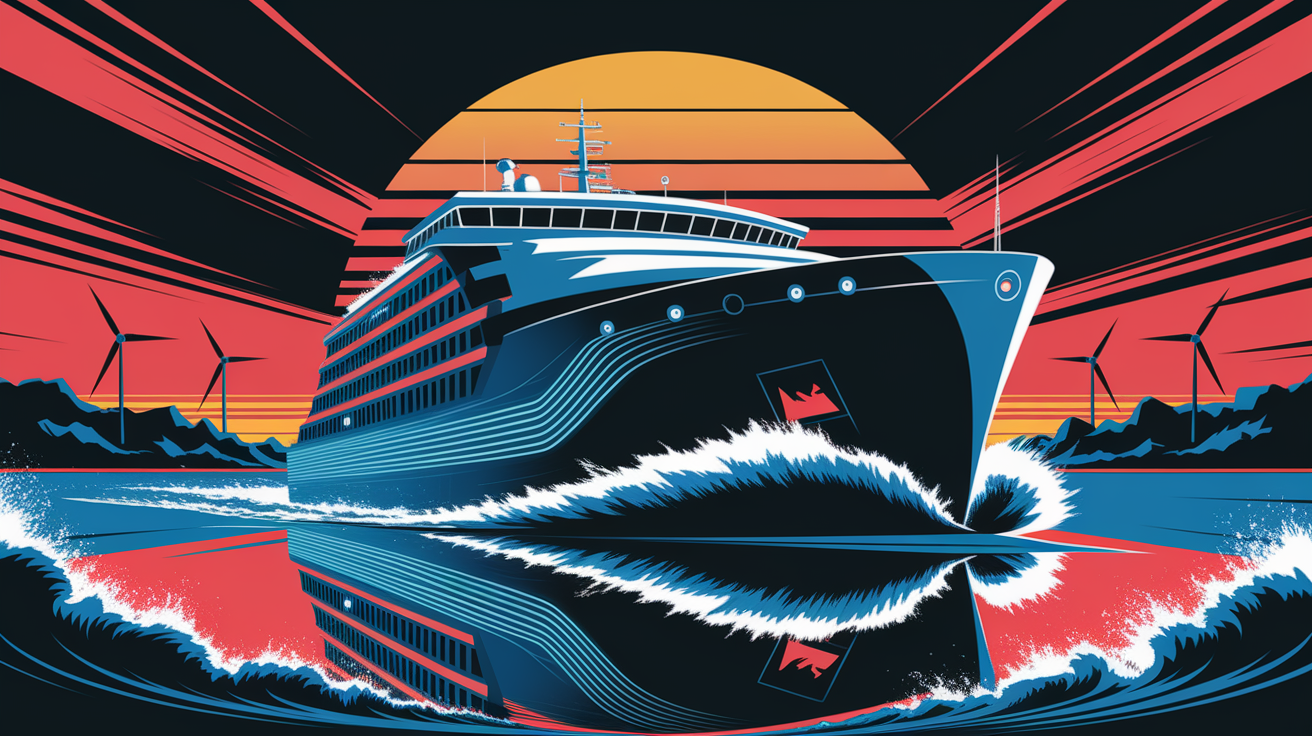
Incat Tasmania, a prominent shipbuilder based in Hobart, Australia, has achieved a remarkable feat in the maritime industry by powering up the world’s largest battery-electric ship. Known as Hull 096, this groundbreaking vessel not only stands as the largest battery-electric ship globally but also as the largest electric vehicle of any kind. Its successful e-motor trial on December 14, 2025, marks a significant advancement in sustainable maritime technology.
Specifications of Hull 096
At 130 meters in length, Hull 096 is designed to transport up to 2,100 passengers and 220 vehicles at speeds exceeding 40 knots. This innovative vessel boasts a staggering battery capacity of over 40 MWh, achieved with more than 250 tonnes of batteries—four times larger than any previous maritime installations. Its first trial run on the River Derwent showcased its full propulsion capabilities, a promising step towards sustainable maritime operations.
Innovative Features
- Equipped with the largest battery-electric propulsion system ever deployed on a ship.
- Includes the most extensive onboard shopping area among ferries, enhancing passenger experience.
- Designed for rapid charging, allowing for 40-minute charging sessions at both ends of its route.
Operational Plans and Environmental Impact
Built for the South American operator Buquebus, Hull 096 is set to operate on the busy River Plate route between Buenos Aires and Montevideo. With its fully electric operations, the ship is expected to significantly reduce emissions in one of the world’s most frequented ferry routes. Following rigorous trials, it is anticipated to depart for South America in early 2026, showcasing a scalable model for electric maritime transport.
Decarbonization and Future Prospects
The shipping sector is responsible for approximately 3% of global greenhouse gas emissions, with ferries contributing a significant share due to their frequent short journeys. The successful implementation of Hull 096’s battery-electric propulsion highlights a viable path towards decarbonizing large vessels, potentially accelerating the electrification trend in maritime transport. Incat’s commitment to sustainable shipbuilding is further demonstrated through parallel projects, including the development of additional electric ferries for international operators.
Implications for the Industry
As Hull 096 sets a new standard in electric ship design, it positions Tasmania as a leader in green shipbuilding. This advancement not only paves the way for future electric vessels but also sets a benchmark for global standards in zero-emission transportation. The implications for cost savings, efficiency gains, and environmental benefits are significant, making this a pivotal moment for the maritime industry.
Conclusion
Incat’s launch of Hull 096 serves as a testament to the potential of battery-electric technology in maritime applications. As the industry moves towards sustainable solutions, the innovations seen in Hull 096 will likely inspire further advancements, driving the global transition to cleaner, more efficient maritime transport.