Transforming Operations with Renewable Energy
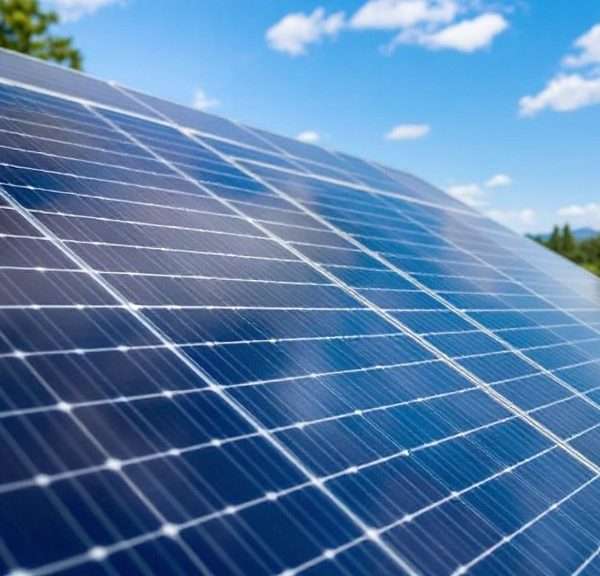
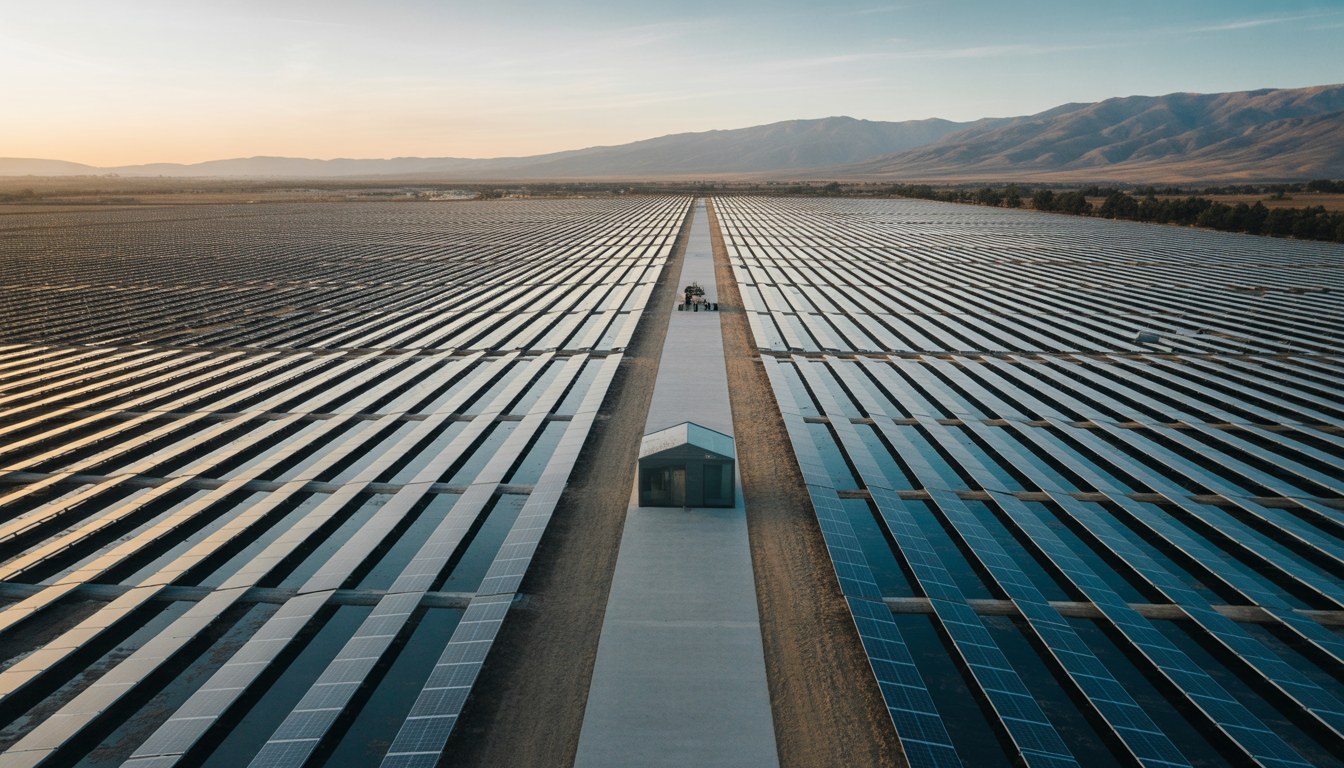
In a significant leap towards sustainability, Nelson Family Vineyards, a renowned family-owned winery in Mendocino County, California, has transitioned to 100% renewable energy for all its operations. This innovative move combines the use of rooftop solar panels with a newly installed floating photovoltaic (FPV) system on an irrigation pond, setting a benchmark for the agricultural sector.
Impressive Energy Generation and Cost Savings
The winery’s solar setup is projected to generate around 200,000 kWh annually, which is sufficient to power not only the vineyard but also agricultural pumps, a tasting room, a shop, and twelve on-site homes. This remarkable energy independence eliminates grid reliance and is projected to save the winery approximately $90,000 each year in energy costs. These savings are vital for maintaining profitability in an industry often challenged by high energy prices.
Benefits of Floating Photovoltaic Systems
Floating photovoltaic systems, like the one implemented at Nelson Family Vineyards, offer several advantages:
- Land Conservation: Utilizing pond surfaces helps preserve valuable agricultural land.
- Increased Efficiency: Solar panels can achieve 10-15% higher efficiency due to cooling effects from the water.
- Water Conservation: The FPV system can reduce evaporation by up to 70%, a crucial benefit in California’s water-scarce regions.
- Research Opportunities: This setup also serves as a live research site for UC Davis, focusing on water quality and biodiversity.
A Model for the Industry
The installation at Nelson Family Vineyards is not an isolated case. California wineries have been exploring FPV technology since 2008, with early adopters like Far Niente Winery setting the stage for current innovations. This trend exemplifies how wineries can leverage unused water surfaces for solar energy while maintaining their agricultural viability. Given that California’s wine industry contributes significantly to the state’s economy, the implications of these advancements are profound.
Contributing to Environmental Goals
With California aiming for carbon neutrality by 2045, the shift to renewable energy in vineyards aligns perfectly with statewide sustainability goals. By minimizing the wine industry’s 1-2% share of California’s greenhouse gas emissions, the widespread adoption of FPV technology could play a pivotal role in achieving these targets. Moreover, the economic viability of such systems, with payback periods of just 5-8 years, makes them an attractive investment for wineries facing high electricity costs.
Conclusion: A Bright Future for Sustainable Winemaking
The success of Nelson Family Vineyards showcases the potential of combining innovative solar technologies with traditional agricultural practices. As the demand for sustainable operations grows, the winery stands as a testament to what is possible when renewable energy becomes central to business strategy. For battery enthusiasts and renewable energy advocates, the advancements seen here indicate a promising future filled with opportunities for innovation and environmental stewardship.