Introduction to Sodium-Ion Technology
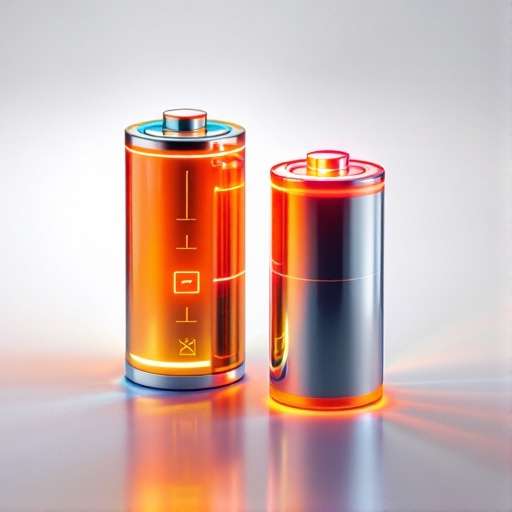
The emergence of sodium-ion batteries (NIBs) marks a significant milestone in the energy storage sector, particularly for Europe, which has recently unveiled its first sodium-ion cell utilizing fully domestic components. This innovative approach not only enhances the region’s energy independence but also addresses sustainability and cost-efficiency concerns in battery production.
What Sets Sodium-Ion Batteries Apart?
Sodium-ion batteries operate on similar principles to their lithium-ion counterparts but utilize sodium ions (Na+) as charge carriers. This distinction offers several advantages, primarily due to sodium’s abundant availability compared to lithium. The materials used in sodium-ion cells, such as Prussian-white derivatives for cathodes and hard carbon for anodes, contribute to a more sustainable production cycle. Furthermore, while current sodium-ion technologies tend to have lower energy densities compared to the best lithium-ion cells, they are particularly advantageous for applications like stationary energy storage, where cost and safety are paramount.
The Significance of a Domestic Supply Chain
Establishing a fully domestic supply chain for sodium-ion batteries is critical for Europe’s energy strategy. By sourcing all components—including cathode and anode materials—locally, Europe can reduce its reliance on foreign suppliers, mitigate supply chain risks, and enhance its industrial sovereignty. As noted by industry experts, this localized approach fosters job creation and supports compliance with evolving EU sustainability regulations, making it a strategic priority for the region.
Key Components and Manufacturing Processes
To build a sodium-ion cell, several components are essential:
- Cathode materials: Sodium-specific compounds such as Prussian-white derivatives.
- Anode materials: Typically hard carbon or optimized carbon composites.
- Electrolyte: Sodium salts dissolved in appropriate organic solvents.
- Binders and conductive additives: Essential for maintaining structural integrity and conductivity.
Local production of these materials not only supports the environment by reducing transportation emissions but also allows for better quality control and innovation in manufacturing processes.
Performance Metrics and Market Outlook
Recent evaluations indicate that sodium-ion batteries can achieve energy densities exceeding 160 Wh/kg, making them a viable option for various applications, including residential energy storage and auxiliary automotive batteries. The growing interest in sodium-ion technology is reflected in market forecasts predicting a robust expansion in Europe over the next five to ten years as projects aimed at scaling production and improving technology are launched.
Challenges Ahead
Despite these advancements, several challenges remain in scaling sodium-ion technology. Key issues include securing consistent raw material supply, overcoming high initial production costs, and meeting strict EU regulations concerning battery lifecycle and sustainability. Public funding initiatives, such as those under the Horizon program, are crucial for supporting these early-stage developments and aligning stakeholders across the industry.
Conclusion: A Sustainable Future for Battery Technology
The development of Europe’s first sodium-ion battery with entirely domestic components not only represents a leap forward in battery technology but also signals a commitment to sustainable energy practices. As this sector evolves, stakeholders must focus on overcoming the challenges of scaling production while maintaining environmental standards. The potential for sodium-ion technology to provide secure, cost-effective energy storage solutions is promising, paving the way for a more sustainable energy landscape in Europe.