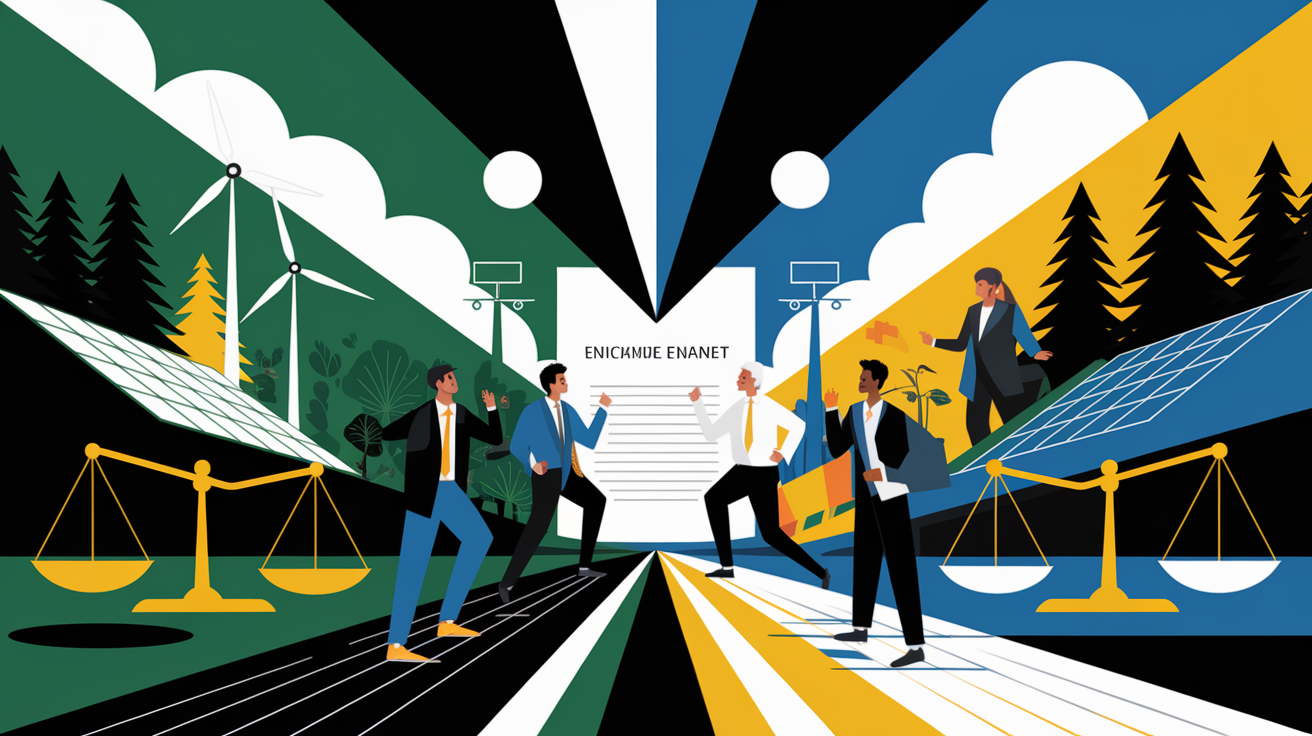
In a significant legal move, leading environmental and renewable energy organizations have filed a lawsuit against the U.S. Internal Revenue Service (IRS) and the Department of the Treasury. This action arises from perceived administrative delays affecting the critical clean energy tax incentives established by the Inflation Reduction Act (IRA). The lawsuit aims to compel the government to expedite the processing of tax benefits vital for solar, wind, and electric vehicle projects, thereby protecting national climate goals and economic opportunities.
Background of the Lawsuit
The lawsuit reflects growing frustration among renewable energy advocates regarding the slow implementation of tax incentives designed to promote clean energy adoption. According to reports, the IRS has failed to issue timely guidance on essential tax credits, including the Investment Tax Credit (ITC) and the Production Tax Credit (PTC), which are crucial for financing renewable energy projects. These delays threaten to stall investments and hinder job creation within the sector.
Key Players in the Legal Battle
Prominent plaintiffs include organizations such as Earthjustice, the Sierra Club, and the Natural Resources Defense Council (NRDC). Their coalition represents a broad spectrum of stakeholders advocating for accelerated deployment of clean energy technologies. On the opposing side, the IRS and the Treasury Department are tasked with implementing these vital tax incentives but are accused of administrative stalling.
Implications of the Inflation Reduction Act
The IRA, enacted in 2022, allocated hundreds of billions in tax credits and grants aimed at boosting renewable energy deployment. This includes substantial credits for solar installations, wind farms, and electric vehicle infrastructure, which can range between 30% to 50% of the project costs. Despite the potential for over $300 billion in clean energy investments, delays in IRS guidance on credit transferability have created uncertainty, prompting these legal actions to aim for timely resolution and enforcement of statutory deadlines.
Impact on the Renewable Energy Sector
- Resolution of the lawsuit could release billions in funding for renewable projects.
- Over 500,000 jobs could be supported, contributing significantly to the U.S. economy.
- The clean energy sector could reduce emissions equivalent to 1 billion tons of CO2 by 2030, helping meet ambitious climate targets.
Delays not only risk project cancellations but could also disrupt supply chains and slow the U.S. progress toward achieving 50% renewable electricity by the end of the decade. As global competition in clean technology intensifies, the urgency for a swift resolution becomes more pronounced.
Legal Precedents and Future Outlook
This lawsuit is not an isolated incident; it follows a pattern of legal actions aimed at overcoming bureaucratic hurdles in the energy sector. For instance, Earthjustice previously sued over holds on $2.5 billion in electric vehicle charging funds, showcasing a willingness to challenge administrative inaction in court. Past cases have seen courts intervene successfully, further establishing a precedent that may bolster the current lawsuit’s chances of success.
As this legal conflict unfolds, the renewable energy community remains hopeful that swift judicial action will pave the way for expedited funding and guidance, ensuring that the U.S. maintains its leadership in the global clean energy transition.