
A Game-Changing Agreement for Sustainable Aviation
In a groundbreaking move towards greener aviation, Swiss International Air Lines (SWISS) has signed a long-term offtake agreement with the Swiss cleantech company Synhelion. This strategic partnership marks a significant step in the airline’s efforts to reduce its carbon footprint by committing to purchase at least 200 tonnes of solar-derived jet fuel annually starting in 2027. With this agreement, SWISS becomes one of the first airlines to solidify multi-year purchases of solar-to-liquid sustainable aviation fuel (SAF), demonstrating a strong commitment to innovative sustainability in the aviation sector.
Understanding Synhelion’s Innovative Technology
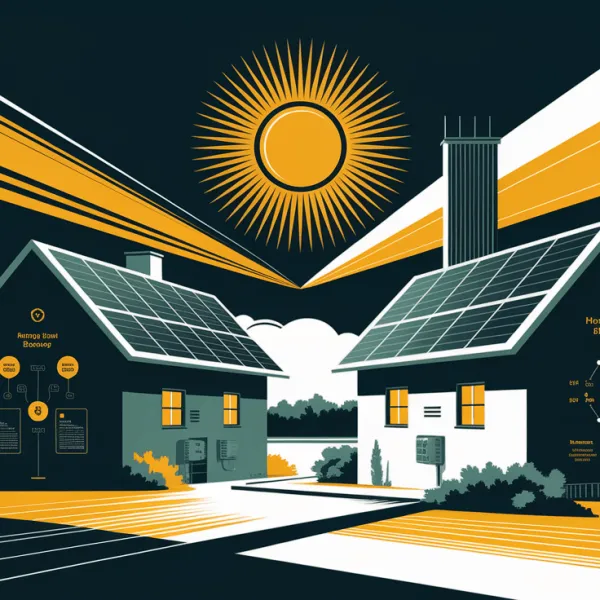
Synhelion’s unique Sun-to-Liquid technology harnesses concentrated solar energy to transform water and carbon dioxide (CO2) into a synthetic crude oil known as “syncrude.” This renewable fuel will undergo processing in existing refineries, allowing for a seamless integration into current aviation fuel infrastructure. The ability to replace fossil fuels with renewable syncrude without requiring modifications to existing systems is a notable advantage, making it easier for airlines to adopt sustainable practices.
- Production Process: The syncrude is created through high-temperature thermochemical processes, which convert CO2 and water into synthesis gas that is then catalytically transformed into liquid fuel.
- Environmental Impact: By utilizing renewable energy and sustainable feedstocks, Synhelion’s process can potentially achieve near-zero lifecycle CO2 emissions, depending on the carbon sources used.
Implications for the Aviation Industry
The agreement not only signals a commitment to sustainability from SWISS but also represents a pivotal moment for the broader aviation sector. As global demand for aviation fuel continues to rise, the supply of sustainable aviation fuel remains limited. This partnership could set a precedent for other airlines to follow suit, encouraging them to explore similar agreements that support the growth of sustainable fuel technologies.
According to industry reports, the long-term offtake agreement is poised to create reliable demand signals that bolster investment in SAF production facilities, ultimately contributing to a more sustainable aviation landscape. By committing to such agreements, airlines can not only enhance their sustainability strategies but also align with regulatory frameworks aimed at reducing emissions.
Challenges and Future Outlook
Despite the optimistic outlook, the path to widespread adoption of solar jet fuel is fraught with challenges. Key hurdles include:
- Scaling production capabilities from pilot plants to fully operational facilities.
- Securing sustainable and low-carbon CO2 sources alongside sufficient renewable energy inputs.
- Ensuring cost competitiveness with traditional fossil fuels and other SAF options.
SWISS’s agreement with Synhelion places the airline at the forefront of aviation sustainability, enhancing its reputation while navigating the inherent risks associated with nascent technologies. For Synhelion, this partnership offers a vital boost in credibility and financial backing, necessary to expedite the commercial viability of solar jet fuel.
Conclusion: A Step Towards a Sustainable Future
The partnership between SWISS and Synhelion exemplifies a proactive approach to addressing climate change within the aviation industry. As airlines worldwide face increasing pressure to adopt sustainable practices, this collaboration serves as a pioneering model for how innovative technologies can reshape traditional sectors. By investing in solar jet fuel, SWISS is not only taking a crucial step towards decarbonizing its operations but also leading the charge in transforming the aviation fuel landscape for future generations.