The Impact of Climate Change on Renewable Energy Outputs
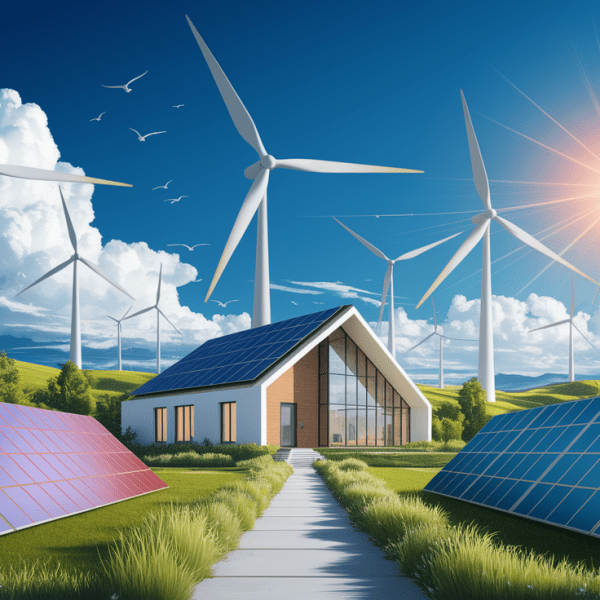
The increasing volatility of weather patterns driven by climate change poses significant challenges for the renewable energy sector. As the world strives to transition to cleaner energy sources, reliance on wind, solar, and hydropower exposes projects to unpredictable weather that can undermine profitability. According to the International Energy Agency, these renewable sources accounted for 32% of global electricity generation in recent years, but their outputs are highly sensitive to weather fluctuations.
Regional Variability: A Case Study of Asia
Countries like India, which aim to achieve 500 GW of non-fossil fuel capacity by 2030, have already begun to feel the effects of declining wind speeds. For instance, a notable decrease in wind velocities in regions like western India has led investors, such as Eversource Capital, to pivot from wind projects to solar energy. In fact, Eversource’s Chief Operating Officer stated that wind projects have not met performance expectations, prompting a strategic shift in investments.
Financial Consequences of Weather Variability
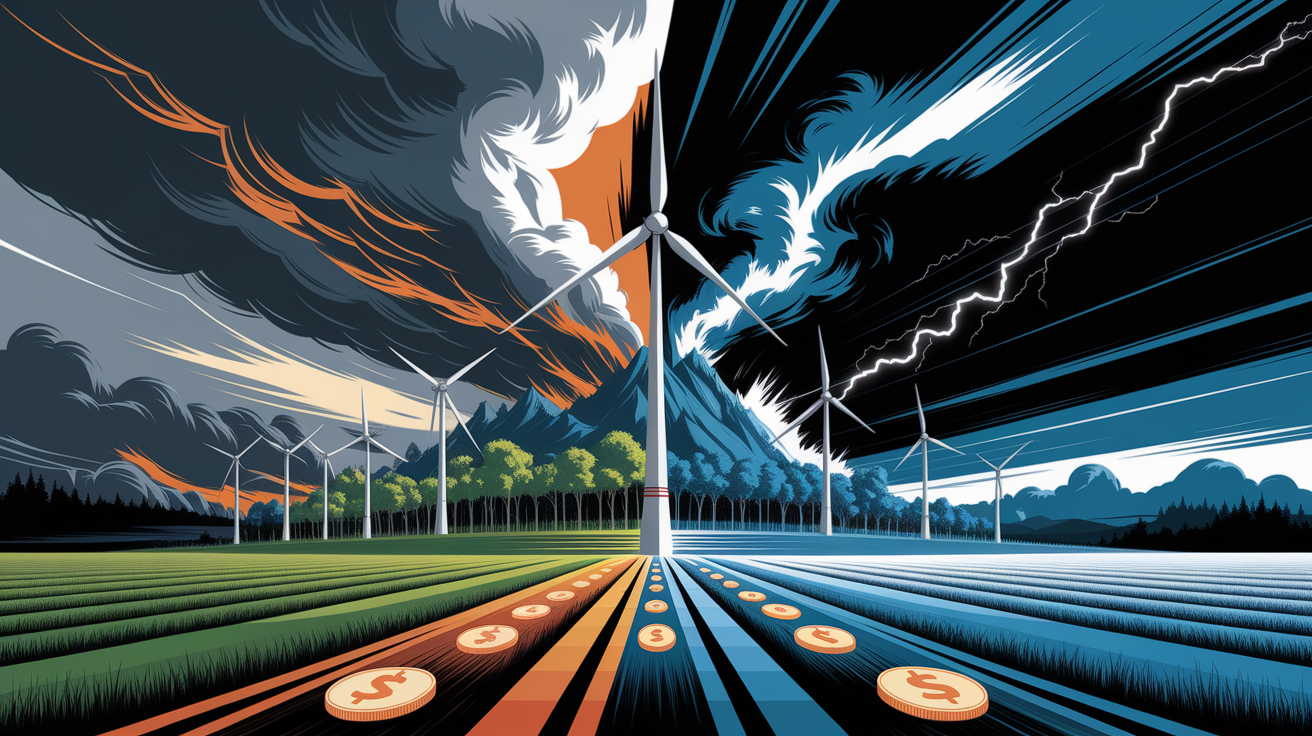
Unpredictable weather patterns not only affect energy generation but also increase financial risks for clean energy projects. Revenue volatility can lead to missed debt obligations and reduced returns, especially for wind projects. According to reports from Munich Re, extreme weather can raise insurance costs, complicating financing and dampening investor enthusiasm.
Infrastructure Vulnerability: The Physical Risks
Extreme weather events such as hurricanes, hailstorms, and droughts can severely damage renewable energy infrastructure. Events like Winter Storm Uri in 2021 highlighted the vulnerability of renewable assets, where frozen turbines contributed to widespread blackouts. This underscores the need for robust infrastructure capable of withstanding such climate-induced disruptions, as these events can lead to grid instability and higher energy prices.
Adapting to Changing Weather Patterns
As the challenges of weather variability become more apparent, the industry is responding with innovative strategies. Companies are investing in advanced weather forecasting technologies and diversifying their energy portfolios. For example, firms like ReNew Energy have enhanced their forecasting capabilities to better predict energy production and optimize performance. This proactive approach aims to mitigate the impact of adverse weather on energy generation.
Looking Ahead: The Future of Clean Energy Amidst Climate Uncertainty
While the challenges posed by wild weather are significant, the commitment to renewable energy remains strong. The transition to cleaner energy sources is critical in combating climate change, and with it comes the opportunity for technological advancements that can improve resilience against weather extremes. As noted by the Climavision, innovations in diagnostics and resilient designs can help restore confidence among investors facing climate-driven volatility.
For battery enthusiasts and energy investors alike, the key takeaway is clear: while weather extremes pose risks, the ongoing evolution of technology and strategic adaptation will be vital in ensuring the sustainability and profitability of renewable energy investments.