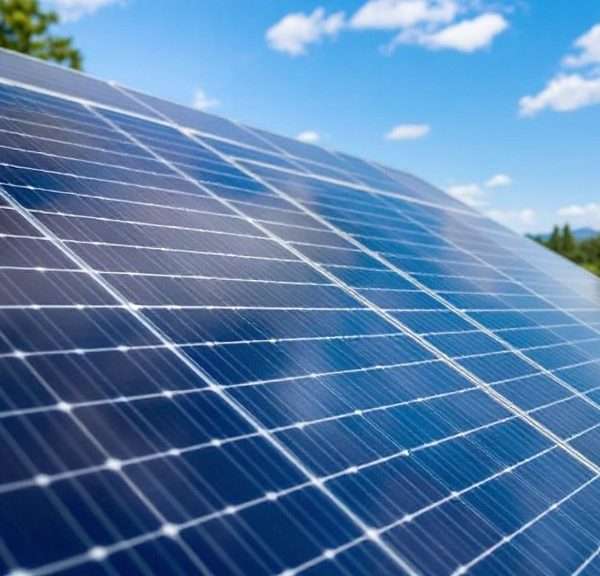

As the demand for sustainable energy solutions grows, an innovative off-grid floating photovoltaic (PV) system combined with seawater desalination has emerged as a game-changer for hydrogen production. This integrated approach leverages the abundant resources of sunny coastal regions, providing a practical solution to the pressing challenges of water scarcity and renewable energy generation.
Understanding the Technology
The proposed system consists of over 32,000 photovoltaic panels, a seawater reverse osmosis (RO) desalination unit, an electrolyzer, and a hydrogen storage tank. By utilizing solar energy, this setup can produce hydrogen at a significantly reduced cost, with projections indicating a levelized cost of electricity (LCOE) of just $0.05 per kilowatt-hour and hydrogen at $9.5 per kilogram when operational in locations like Oman.
Floating Photovoltaic Systems: Efficiency and Advantages
- Space Efficiency: Floating photovoltaic systems can be deployed on water bodies, eliminating land use conflicts and maximizing solar energy capture.
- Enhanced Performance: The cooling effect of water can boost solar panel efficiency by over 5%, compared to traditional ground-mounted systems.
- Reduced Evaporation: The shading provided by solar panels minimizes water loss, making this technology particularly beneficial in arid regions.
According to research, floating PV systems are also resilient to flooding, as they rise with water levels, and can contribute to dual-use applications, enabling energy generation while simultaneously addressing local water needs (Rated Power).
Desalination: A Key Component
Seawater desalination, particularly through reverse osmosis, is essential for this system as it transforms saline water into fresh water, making it suitable for hydrogen production. The integration of renewable energy with desalination technology not only enhances water availability but also supports sustainable practices in remote or coastal areas struggling with freshwater scarcity.
Hydrogen Production via Electrolysis
Once freshwater is obtained, electrolysis can occur, splitting water into hydrogen and oxygen. This process is powered by the solar energy harvested by the floating PV panels. The use of desalinated water as a feedstock is crucial, as it prevents mineral buildup in electrolyzers, optimizing performance and longevity (Energy.gov).
Addressing Challenges and Future Implications
Despite its advantages, the offshore floating PV system faces challenges such as harsh marine conditions, which require robust structures to withstand wave and wind forces. Ongoing research focuses on improving the resilience of these systems, exploring new materials, and enhancing anchoring techniques (IEA PVPS).
As technology advances, the potential for hybrid projects that combine floating solar with energy storage or additional desalination capabilities will likely expand, further driving down costs and increasing efficiency. The global potential for floating PV systems exceeds 400 GW, representing a significant opportunity for sustainable energy development.
Conclusion: The Path Forward
In summary, the off-grid floating PV-desalination system represents a promising direction in renewable energy technology. By effectively addressing water scarcity and facilitating green hydrogen production, this innovative approach not only supports sustainability goals but also positions coastal regions as leaders in the transition towards a cleaner, more resilient energy future. As the industry progresses, stakeholders should remain vigilant about the emerging trends and invest in technologies that promise to redefine energy and water management.