Transforming the EV Landscape
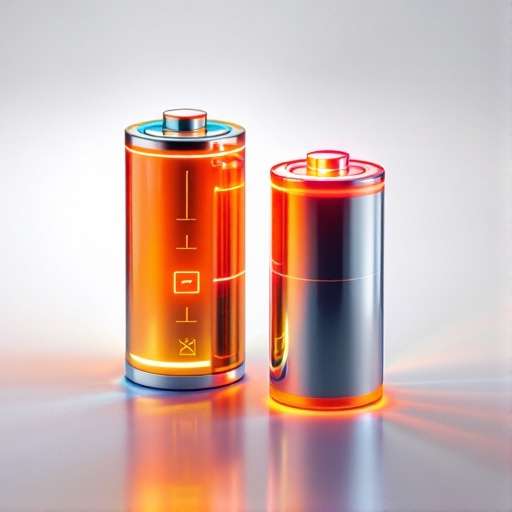
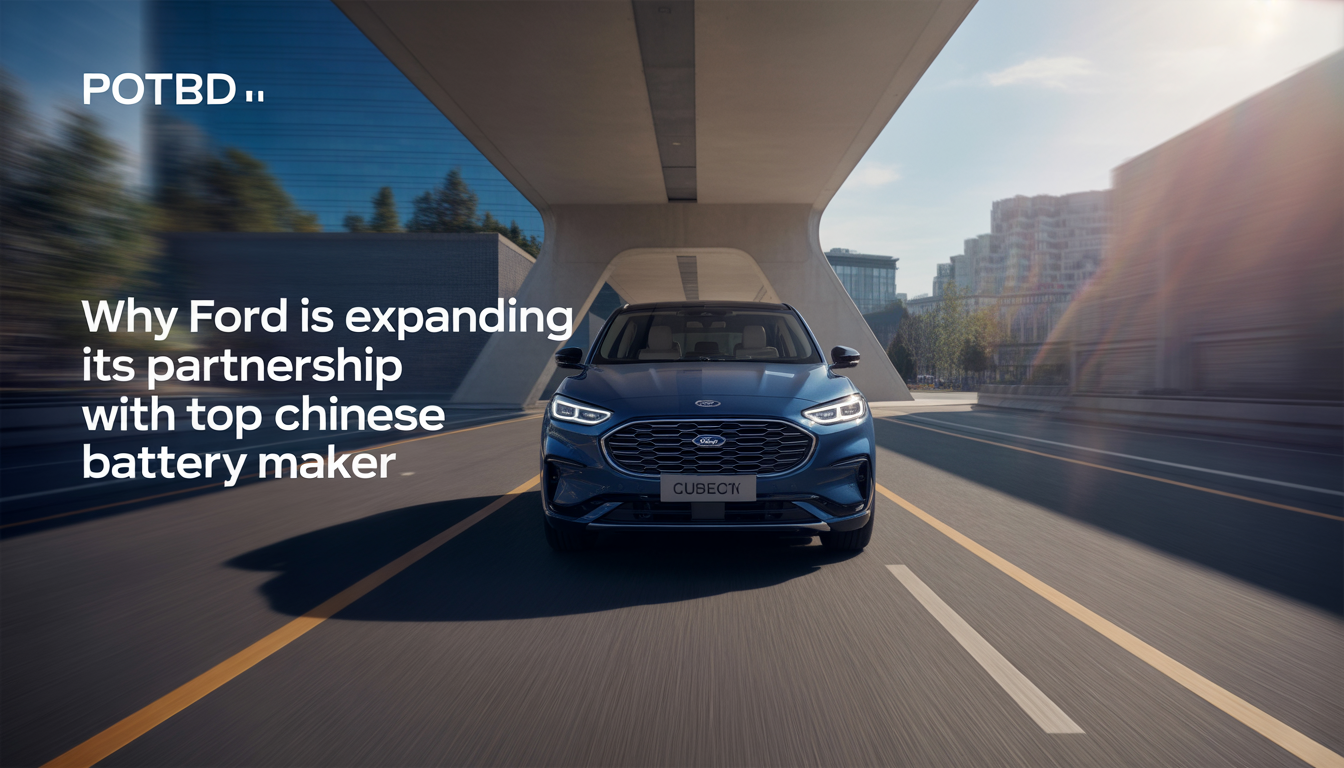
Ford Motor Company is taking a significant step in the electric vehicle (EV) sector by deepening its collaboration with Contemporary Amperex Technology Co. Limited (CATL), a leading Chinese battery manufacturer. This strategic partnership aims to leverage CATL’s advanced lithium iron phosphate (LFP) battery technology, allowing Ford to produce cost-effective batteries domestically at its BlueOval Battery Park Michigan facility. The initiative not only targets the growing demand for affordable EVs but also underscores the importance of energy storage solutions.
Understanding the Importance of LFP Technology
The expansion focuses on LFP battery technology, which is recognized for its safety, longevity, and cost-effectiveness compared to traditional nickel-based batteries. CATL currently commands over 37% of the global EV battery market, making this partnership pivotal for Ford’s plans to remain competitive in a rapidly evolving industry. The collaboration allows Ford to harness CATL’s innovations, including the development of battery swapping technology to enhance user convenience.
Addressing Market Needs
As the EV market faces slowing growth and evolving consumer preferences, Ford’s initiative to produce LFP batteries will be crucial. The BlueOval production is set to commence in 2026, aiming to minimize reliance on imports and mitigate risks associated with supply chain disruptions, as highlighted by Ford’s recent termination of a $6.5 billion deal with LG Energy Solution. This shift aligns with the need for utility-scale battery solutions, crucial for meeting energy storage demands and supporting grid stability.
Navigating Geopolitical Challenges
Despite the complexities of US-China relations and trade tensions, Ford has structured its partnership with CATL to navigate regulatory hurdles effectively. By framing the collaboration as a technology licensing agreement for a US-owned facility, Ford aims to adhere to compliance requirements while still benefiting from CATL’s expertise. This strategic approach mirrors industry trends, as other automakers, such as GM, pursue similar pathways to maintain competitiveness amidst geopolitical challenges.
Implications for the Future
This partnership signifies a broader industry shift towards LFP batteries as automakers aim to reduce costs and enhance the sustainability of their offerings. As Ford accelerates its battery production capabilities, it not only positions itself to lower EV prices but also contributes to the goal of increasing energy storage capacity in the US. However, this move may intensify competition in the battery market and further complicate international trade relations.
Conclusion: A Forward-Thinking Approach
Ford’s expanded partnership with CATL represents a strategic maneuver to bolster its domestic battery production capabilities while addressing the evolving landscape of the EV market. By focusing on LFP technology, Ford is setting the stage for more affordable electric vehicles and enhanced energy storage solutions, ultimately supporting its long-term sustainability goals. For battery enthusiasts and industry professionals alike, this collaboration is an exciting development to watch as it unfolds.