Strategic Milestone in Floating Solar Technology
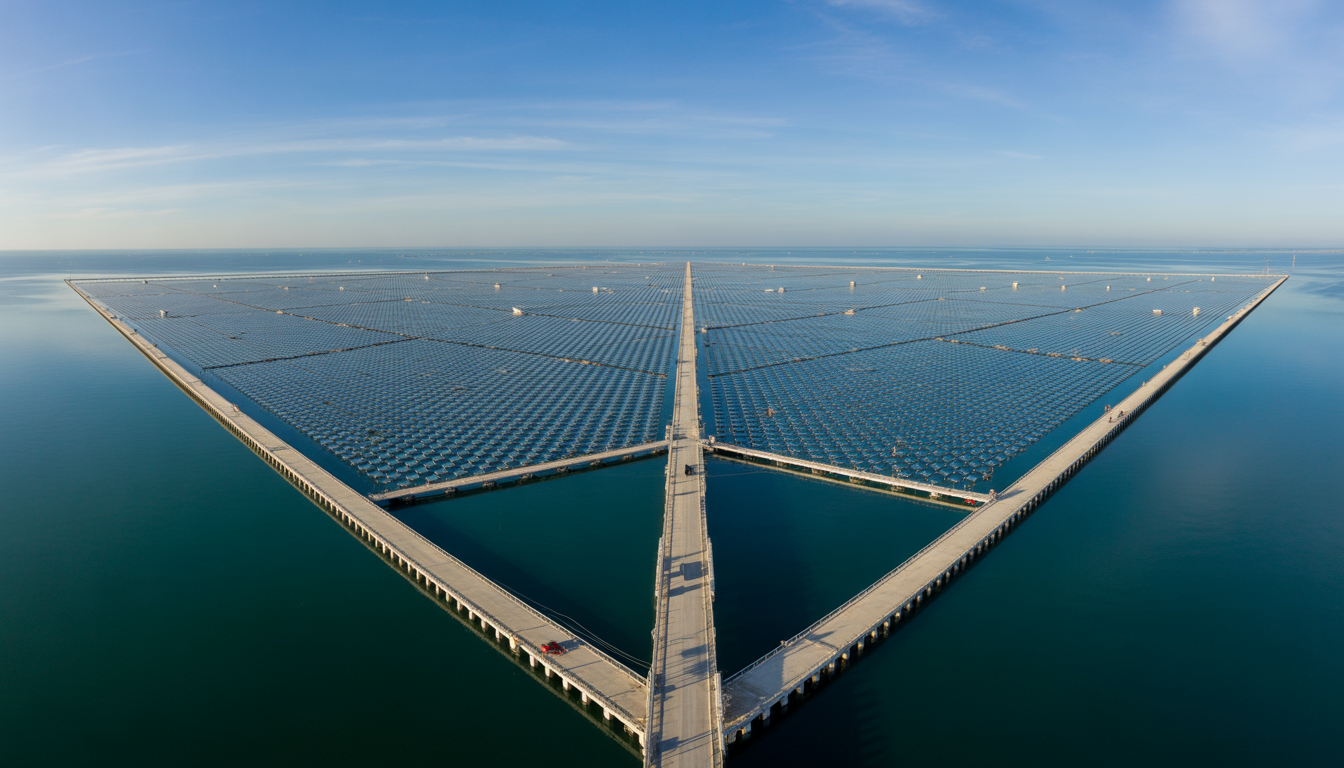
Masdar, a prominent player in the renewable energy sector, has taken a significant step forward by signing a power purchase agreement (PPA) for a groundbreaking 200 MW floating solar project at the Chereh Dam in Pahang, Malaysia. This initiative marks Masdar’s inaugural project in Malaysia and is set to become Southeast Asia’s largest floating solar plant, reflecting the company’s commitment to innovative energy solutions in a region facing land constraints.
Project Overview and Economic Impact
The floating solar photovoltaic (PV) project will occupy approximately 950 acres (384 hectares) on the Chereh Dam, generating enough electricity to power over 100,000 homes. Valued at over $208 million (RM850 million), it was developed in collaboration with Malaysian partners Citaglobal Berhad and Tiza Global. The project achieved the lowest tariff under Malaysia’s Large Scale Solar (LSS) Cycle 5+, highlighting its cost-effectiveness and potential to drive down energy prices.
Performance and Efficiency Benefits
Utilizing advanced floating photovoltaic technology, this project is designed to enhance energy production while addressing critical environmental challenges. Key advantages of floating solar technology include:
- Increased Efficiency: Floating solar panels can achieve up to 15% higher efficiency than traditional ground-mounted systems due to the cooling effect of water.
- Water Conservation: The project is expected to reduce water evaporation by 70-90%, vital for maintaining water resources in tropical climates.
- Dual-Use of Infrastructure: By utilizing existing water bodies, the project conserves land and mitigates the impact on ecosystems.
Aligning with Malaysia’s Renewable Energy Goals
This project aligns seamlessly with Malaysia’s National Energy Transition Roadmap (NETR), which aims for 35% renewable energy in its power mix by 2030, and 70% by 2050. Solar energy leads the charge, with over 3 GW currently installed, supported by competitive tenders like the LSS program. Masdar’s investment underscores the growing confidence of international developers in Malaysia’s renewable energy landscape, particularly as the country seeks to leverage its abundant hydropower reservoirs for sustainable development.
Regional Context and Future Prospects
The Chereh Dam project is not only a milestone for Masdar but also a crucial step for the ASEAN region as it transitions to renewable energy amidst land shortages. Floating solar technology is projected to expand significantly, with global capacities expected to reach 100 GW by 2030. Masdar’s successful bid at the lowest tariff level highlights the potential for cost-competitive renewable energy solutions that can help Malaysia achieve its net-zero goals.
Conclusion: A Bright Future for Floating Solar
Masdar’s 200 MW floating solar project at the Chereh Dam is set to redefine renewable energy in Malaysia, offering practical benefits that address both economic and environmental challenges. As the region embraces innovative energy solutions, this project stands as a beacon of progress and sustainability, paving the way for future developments in floating solar technology.