Record Installations Signal Recovery
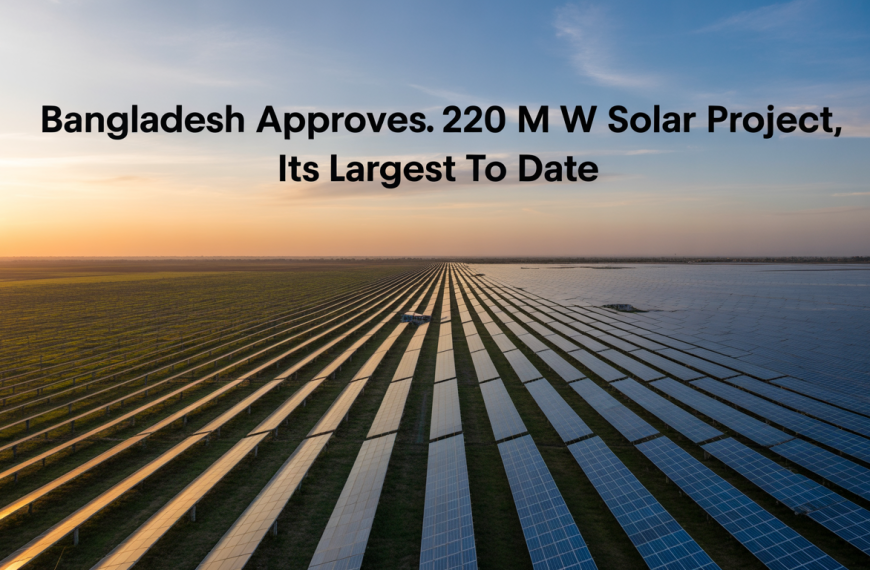
In November 2025, China’s solar energy sector experienced a remarkable resurgence, with the country installing approximately 22 gigawatts (GW) of new solar power capacity. This marks the highest monthly addition in six months, according to data released by the National Energy Administration (NEA). The increase highlights a significant rebound from previous slowdowns, positioning the nation for a strong finish to the year.
Driving Factors Behind the Surge
This uptick in installations reflects a strategic pivot in China’s solar energy policies. The shift from feed-in tariffs to a more market-oriented pricing model has incentivized developers to ramp up projects before the end of the year. While November’s figures are lower than the 25 GW added in the same month last year, they surpass the totals from earlier this year, indicating a strong recovery trajectory.
Performance Metrics and Projections
Throughout the first ten months of 2025, China added a total of 252.87 GW of solar photovoltaic (PV) capacity, which represents a remarkable 39% increase compared to the same period in 2024. Cumulatively, the nation’s solar capacity has now reached 1.14 terawatts (TW) AC, reflecting a 43.8% year-on-year growth. Projections suggest that total solar additions for the year could exceed 240 GW, supported by improved supply chain efficiencies and favorable policies aligned with the 15th Five-Year Plan.
Segmented Growth Across the Industry
The recent growth has not been uniform across all sectors. The commercial and industrial (C&I) solar segment saw an impressive addition of 87.18 GW, reflecting a 135% year-on-year increase. Residential installations also grew significantly, adding 25.63 GW, while distributed solar projects totaled 112.81 GW. Utility-scale projects dominated in regions such as Xinjiang and Yunnan, showcasing the diverse applications of solar technology across the country.
Policy Shifts and Long-Term Vision
China’s solar boom is largely attributed to its transition towards competitive bidding and market pricing following the end of the feed-in tariff era. The country aims for a combined solar and wind capacity of 3.6 TW by 2035 as part of its revised Nationally Determined Contributions. This ambitious target is backed by the 15th Five-Year Plan, which sets new energy targets of 1.7 TW by the end of 2025, accelerating the pace of solar installations and positioning the country as a global leader in renewable energy.
Global Implications and Industry Challenges
China’s solar additions in the first half of 2025 exceeded the combined total of the rest of the world, underscoring its dominance in the sector. With significant contributions from leading companies like LONGi, JinkoSolar, and Trina Solar, the industry is poised for continued growth. However, this rapid expansion comes with challenges such as grid integration and concerns over potential overcapacity, complicating China’s energy transition efforts and its reliance on coal.
Conclusion: A Bright Future Ahead
The surge in solar installations in November is not just a statistic; it reflects China’s commitment to renewable energy and its strategic focus on sustainable growth. As the industry adapts to new policies and market realities, both challenges and opportunities will emerge, shaping the future landscape of solar energy not only in China but across the globe.