Strategic Move in Renewable Energy
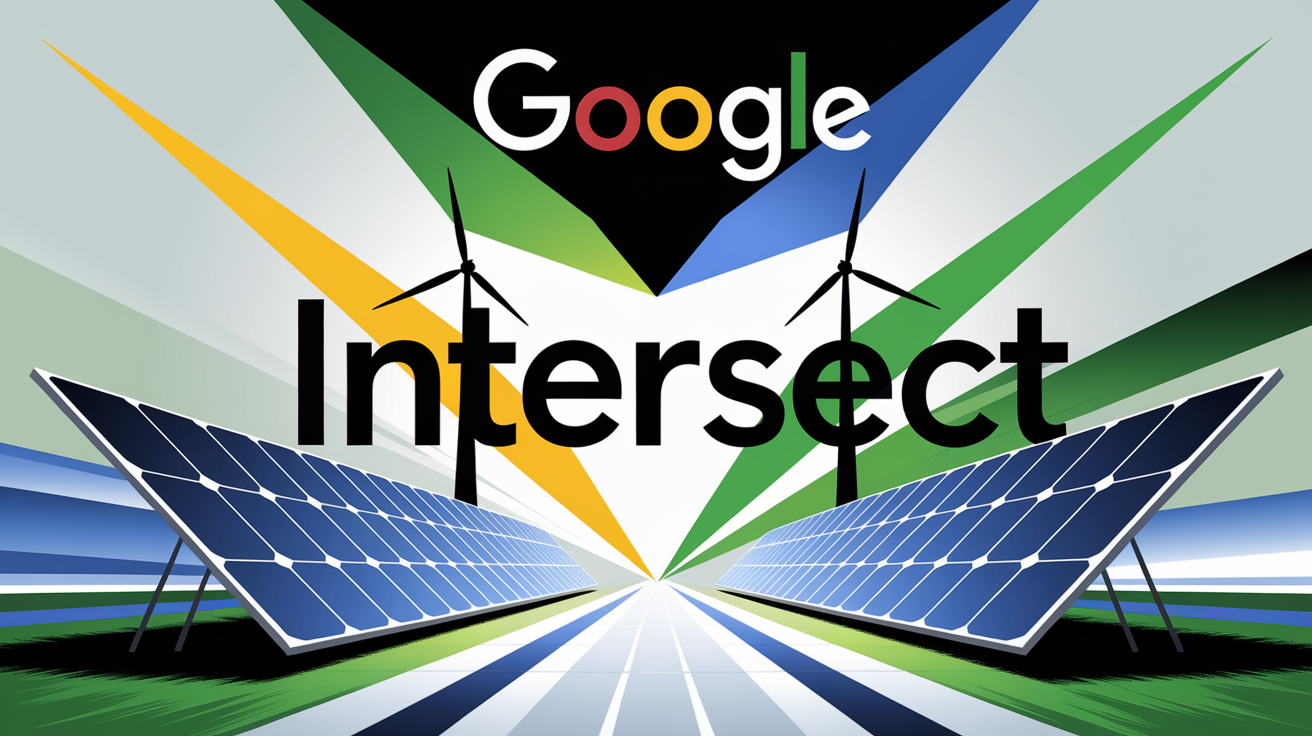
In a pivotal step towards enhancing its renewable energy capabilities, Google’s parent company Alphabet has announced its acquisition of Intersect Power for a staggering $4.75 billion. This deal, revealed on December 29, 2025, marks a significant shift as tech giants increasingly seek to own the development of renewable energy projects rather than solely relying on power purchase agreements (PPAs).
Intersect Power: A Leading Developer
Founded in 2016 and based in San Francisco, Intersect Power has quickly established itself as a key player in the clean energy sector. The company specializes in developing large-scale solar and battery storage projects, boasting a robust pipeline of over 3.2 gigawatts of assets primarily located in California and Texas. Under the leadership of CEO Sheldon Kimber, Intersect Power emphasizes scalable low-carbon solutions, aiming to integrate advanced battery technologies to combat the intermittency challenges of renewable energy.
Aligning with Sustainability Goals
This acquisition aligns seamlessly with Alphabet’s ambitious sustainability goals, including its commitment to achieving 24/7 carbon-free energy by 2030. By integrating Intersect’s development expertise, Google not only enhances its ability to meet its energy demands but also positions itself as a leader in the renewable energy landscape amid the growing demands of AI-driven data centers.
Key Features of the Deal
- Development Pipeline: The acquisition focuses on Intersect’s extensive development pipeline, although it notably excludes certain existing Texas operating assets and in-progress projects in California.
- Vertical Integration: This strategic move enables Google to gain in-house capabilities for renewable project development, facilitating quicker deployment of energy solutions.
- Market Impact: The acquisition highlights a broader trend in the renewable sector where tech companies are shifting from purchasing energy to developing it themselves, potentially accelerating the clean energy transition in the U.S.
Implications for the Renewable Energy Sector
The implications of Google’s acquisition of Intersect are significant. It not only showcases the tech industry’s commitment to sustainability but also signifies a potential shift in how energy markets operate. By owning development platforms, companies can mitigate supply chain bottlenecks and streamline the deployment of gigawatt-scale projects. This move is expected to spur job growth in the renewable sector and enhance energy security, particularly as reliance on AI infrastructure continues to grow.
Conclusion: A Forward-Thinking Investment
Google’s acquisition of Intersect Power represents a forward-thinking investment in renewable energy that underscores the company’s commitment to sustainability and innovation. As tech giants take more control over energy production, the landscape of renewable energy is bound to evolve, leading to faster adoption and implementation of clean energy solutions. For battery enthusiasts and industry stakeholders, this acquisition signals promising advancements in energy storage technologies and the future of renewable energy deployment.