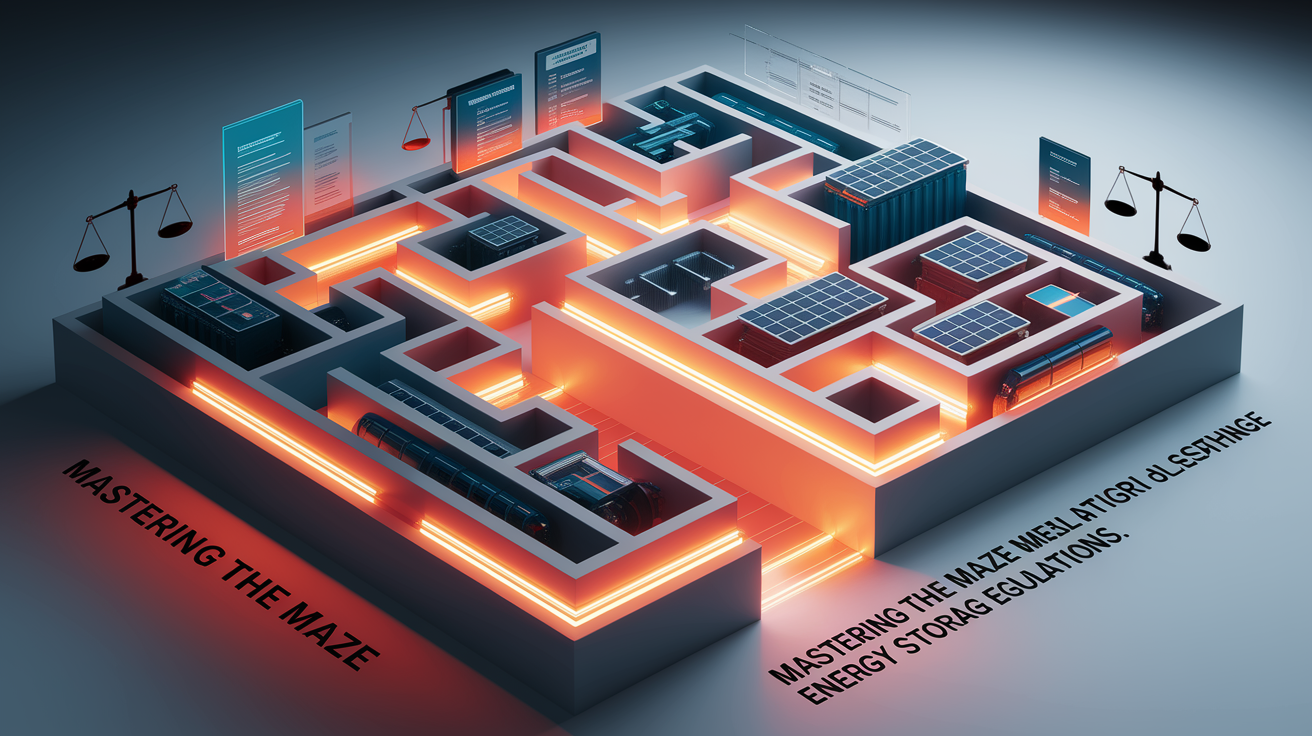
As energy storage deployment accelerates across the renewable energy sector, developers, installers and operators face an increasingly complex regulatory environment. Understanding this landscape isn’t just about compliance—it’s essential for project success, cost management, and maximizing the value of storage investments. This guide provides a roadmap through the regulatory maze of energy storage systems.
Understanding the Regulatory Landscape
Energy storage systems, particularly battery energy storage systems (BESS), operate under a complex framework spanning federal, state, and local jurisdictions. This multi-layered structure addresses everything from safety standards to grid interconnection requirements.
At the national level, key standards include NFPA 855 for stationary energy storage installations and updates to the National Electrical Code (NEC) Section 706. The 2026 NEC updates bring significant changes, including new provisions for systems below 1 kWh thresholds and revised compliance requirements for smaller installations.

State policies vary dramatically across the country. Some states have established ambitious deployment targets:
- Illinois aims for 3 GW of 4-hour battery storage by 2030 through its Clean Energy Jobs Act
- Massachusetts has mandated 5,000 MW by 2030, with specific provisions for mid- and long-duration storage
- Rhode Island targets 90 MW by 2026, scaling to 600 MW by 2033
Local jurisdictions add another layer of complexity, often adopting state or national codes with varying implementation timelines. For example, Massachusetts will implement the 2026 NEC on January 1, 2026, while other states may follow different schedules.
Compliance Essentials
Safety standards form the backbone of energy storage regulations. The EPA emphasizes NFPA standards as essential for safe BESS deployment, with the 2023 edition of NFPA 855 (next update expected in 2026) providing comprehensive guidelines for addressing hazards in battery installations.
California exemplifies the emphasis on safety with recent legislation like SB 283 and AB 1285. Effective January 1, 2026, SB 283 mandates:
- Pre-application meetings with fire authorities for large projects (≥10 MWh local, ≥200 MWh state)
- Post-construction inspections
- Potential building code amendments restricting indoor installations
AB 1285 focuses specifically on best practices for lithium-ion fire prevention and mitigation—a critical concern as thermal runaway risks have gained industry attention.
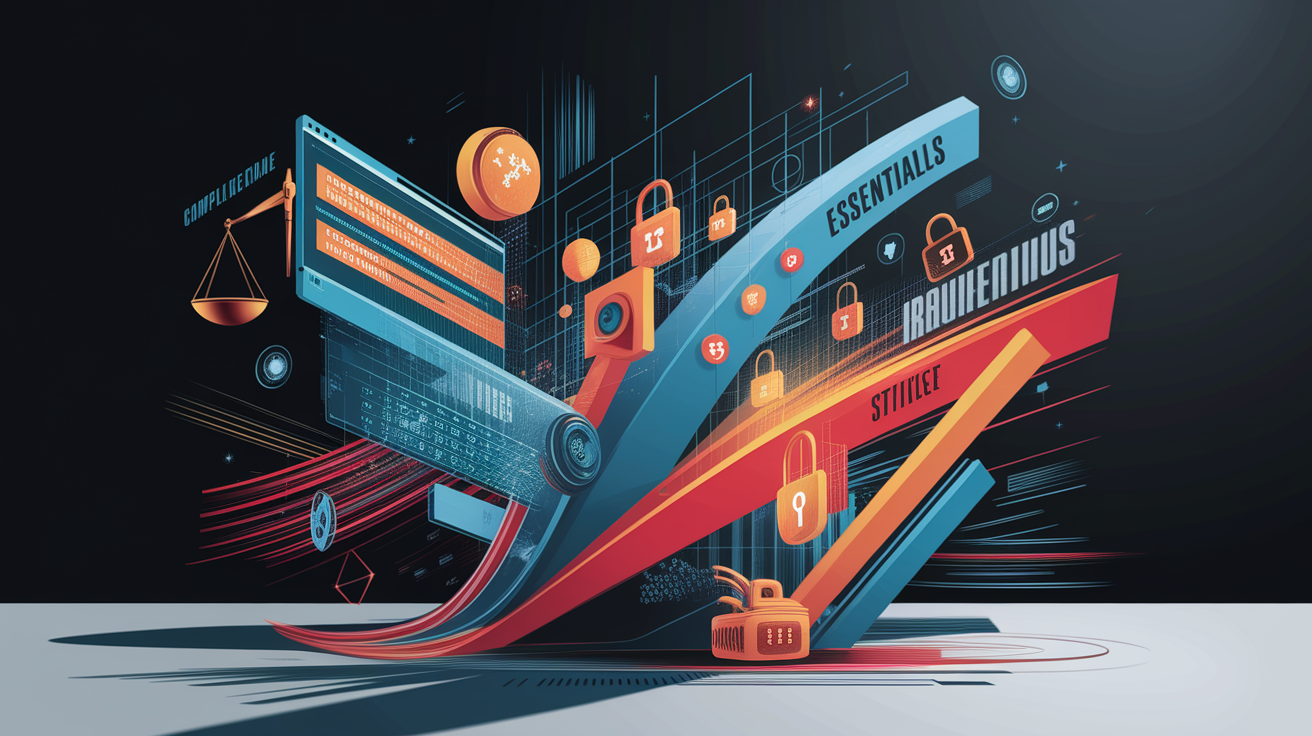
The 2026 NEC updates introduce significant changes to Article 706, impacting how PV and storage systems integrate, including new disconnection rules and clarified exemptions. Compliance with these evolving standards requires ongoing education and adaptability from industry professionals.
Essential Compliance Elements:
- System designs that meet or exceed applicable codes
- Proper equipment installation according to manufacturer specifications
- Documented safety features and emergency response protocols
- Clear signage and labeling for emergency responders
- Regular testing and maintenance procedures
Navigating Incentives and Subsidies
Financial incentives significantly impact energy storage economics. State policies vary widely in their approach to incentivizing deployment:

- New Jersey plans 2026 incentives for both grid-connected and behind-the-meter storage
- Illinois integrates equitable residential provisions into its 3 GW target
- California’s SB 254 expedites project approvals to accelerate deployment
Consumer protections are increasingly embedded in these programs. Nevada and Colorado have implemented measures ensuring fair rates and efficient interconnections for customer-owned systems, setting a benchmark for other states to follow.
Successfully navigating incentive programs requires:
- Understanding eligibility criteria and application deadlines
- Documenting system specifications precisely
- Coordinating with utilities on interconnection requirements
- Planning for program changes as policies evolve
- Evaluating stacking opportunities across multiple incentive programs
Overcoming Common Challenges
Despite progress, significant barriers remain in energy storage deployment. Permitting and interconnection processes contribute substantially to “soft costs” that can undermine project economics. Federal initiatives aim to streamline these processes, but implementation varies significantly by location.
Local moratoriums create additional hurdles. For example, San Juan Capistrano has extended its prohibition on certain battery installations until April 2026. Such restrictions often stem from safety concerns or knowledge gaps among local officials.

Utility interconnection processes present another critical challenge. Colorado’s requirement for utilities to develop efficient interconnection procedures provides a model for other states. Similarly, Illinois’ Integrated Resource Planning (IRP) framework facilitates long-term grid integration of storage resources.
Internationally, similar challenges exist. In Germany, detailed guidelines complicate licensing despite exemptions for systems on building exteriors, highlighting global parallels in regulatory hurdles.
Strategies for Navigating Challenges:
- Engage early with authorities having jurisdiction (AHJs)
- Develop comprehensive permitting strategies with contingencies
- Budget realistically for soft costs and potential delays
- Build relationships with utility interconnection teams
- Document successful approaches for future projects
Future Trends in Energy Storage Regulations
The regulatory landscape continues to evolve rapidly. Several key trends are emerging:
- Harmonization efforts: Greater standardization across jurisdictions to reduce complexity
- Enhanced safety protocols: Continuing refinement of standards addressing thermal runaway and fire safety
- Technology-specific frameworks: Regulations tailored to different storage technologies beyond lithium-ion
- End-of-life considerations: Increased focus on recycling and decommissioning requirements
- Hybrid system integration: Updated interconnection standards for combined solar-plus-storage systems
The 2026 NEC updates reflect this evolution, with significant changes to energy storage provisions that will affect system design and installation requirements across the country as jurisdictions adopt the updated code.
Code harmonization efforts between NFPA 855, the International Fire Code, and the NEC are gradually reducing contradictions that have historically complicated compliance. This trend toward greater consistency should continue, though regional variations will persist.
The Road Ahead: Navigating with Confidence
Successfully navigating energy storage regulations requires ongoing vigilance and a proactive approach. Industry professionals should:
- Stay current with evolving codes and standards
- Participate in stakeholder processes to influence future regulations
- Engage with industry associations for collective advocacy
- Document compliance strategies that can be replicated across projects
- Build regulatory expertise as a competitive advantage
The investment in understanding and navigating regulations yields significant returns through smoother project execution, reduced compliance risks, and greater access to incentives. As energy storage becomes increasingly central to renewable energy integration and grid modernization, regulatory expertise will remain essential for industry success.
For developers and installers looking to thrive in this dynamic environment, the ability to confidently navigate these regulations isn’t just about compliance—it’s about creating a foundation for scaling deployment and accelerating the clean energy transition.