A Bright Beginning
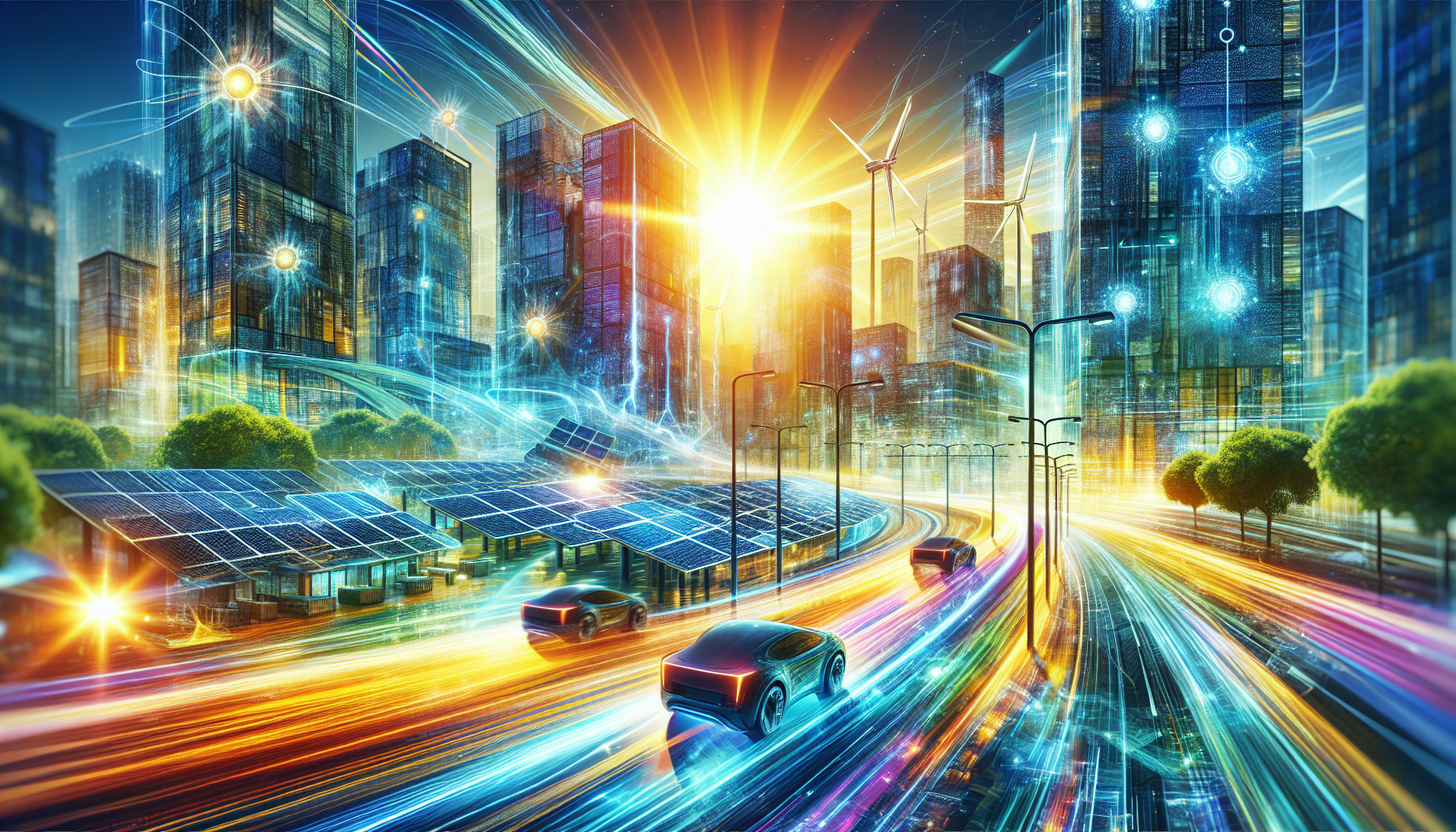
The transportation sector stands at a pivotal crossroads, with solar power emerging as a transformative force in our journey toward sustainable mobility. Solar-powered transportation represents a fundamental shift in how we think about energy and movement, combining photovoltaic (PV) technology with electric propulsion systems to create vehicles that derive power directly from the sun.

At its core, this technology harnesses solar energy through specialized panels mounted on vehicle exteriors. These panels contain photovoltaic cells that convert sunlight into electricity, which either powers motors directly or charges onboard batteries for later use. The elegance of this approach lies in its simplicity: utilizing the most abundant energy source available to us while producing zero emissions during operation.
Today’s solar-powered vehicles typically operate as hybrid systems, combining solar input with conventional charging methods to ensure reliability regardless of weather conditions or time of day. This practical approach bridges current technological capabilities with our renewable energy aspirations.
Types of Solar-Powered Transport
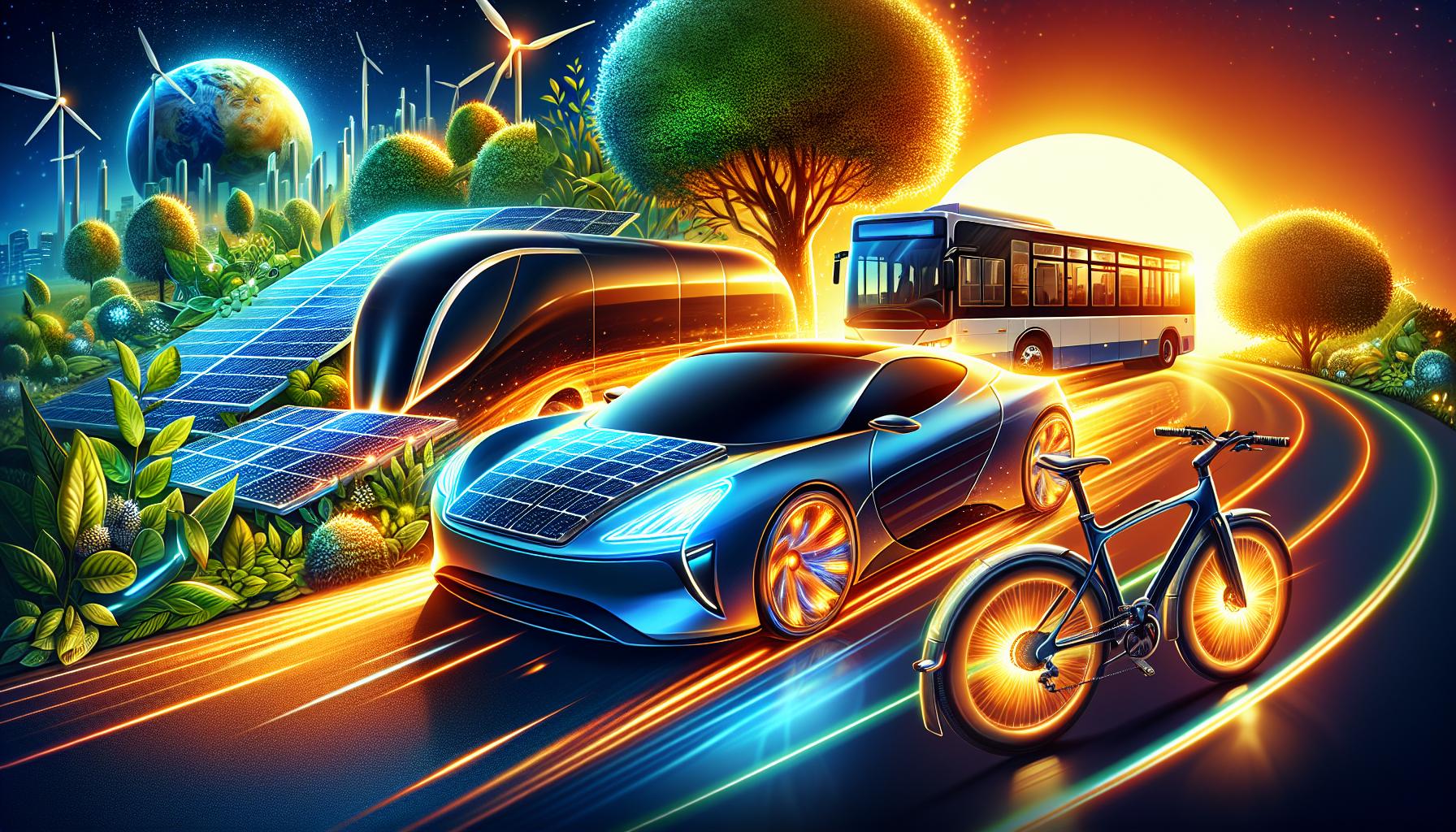
The application of solar technology spans the entire transportation spectrum, with each vehicle type presenting unique integration challenges and opportunities:
Solar Cars
From pioneering models like the Nuna series developed by university teams to commercial ventures such as Lightyear with their advanced solar panel technology, solar cars represent the most visible face of this revolution. These vehicles incorporate panels that can generate up to 70-80 kilometers of daily range from solar power alone, significantly reducing charging requirements.
Solar Buses
Public transit has embraced solar solutions through innovations like the Tindo electric bus in Adelaide, which combines roof-mounted solar panels with dedicated solar charging stations. These systems power not only propulsion but also onboard electronics, lighting, and climate control systems.
Solar Trucks
Flexible solar panels designed for heavy-duty transport are revolutionizing the logistics sector. These systems can be retrofitted to existing fleet vehicles, reducing idle fuel consumption by powering auxiliary systems and extending operational range without adding significant weight or affecting aerodynamics.
Solar Trains and Trams
Rail transport has begun integrating solar technology both on vehicles and along routes, with notable examples including solar panels installed along Indian railway routes to power signals, stations, and even contribute to train operation.
Solar Marine Vessels
From solar-powered ferries in Sydney Harbour to recreational boats with integrated panels, maritime applications demonstrate solar power’s versatility across transportation modes.
Infrastructure Applications
Beyond vehicles themselves, solar power enhances transportation infrastructure through innovations like solar bus stops with illuminated displays, solar-powered charging stations for electric vehicles, and even experimental photovoltaic roadways.
Benefits of Solar-Powered Transport
The advantages of solar-powered transportation extend far beyond their immediately apparent environmental credentials:
Environmental Impact
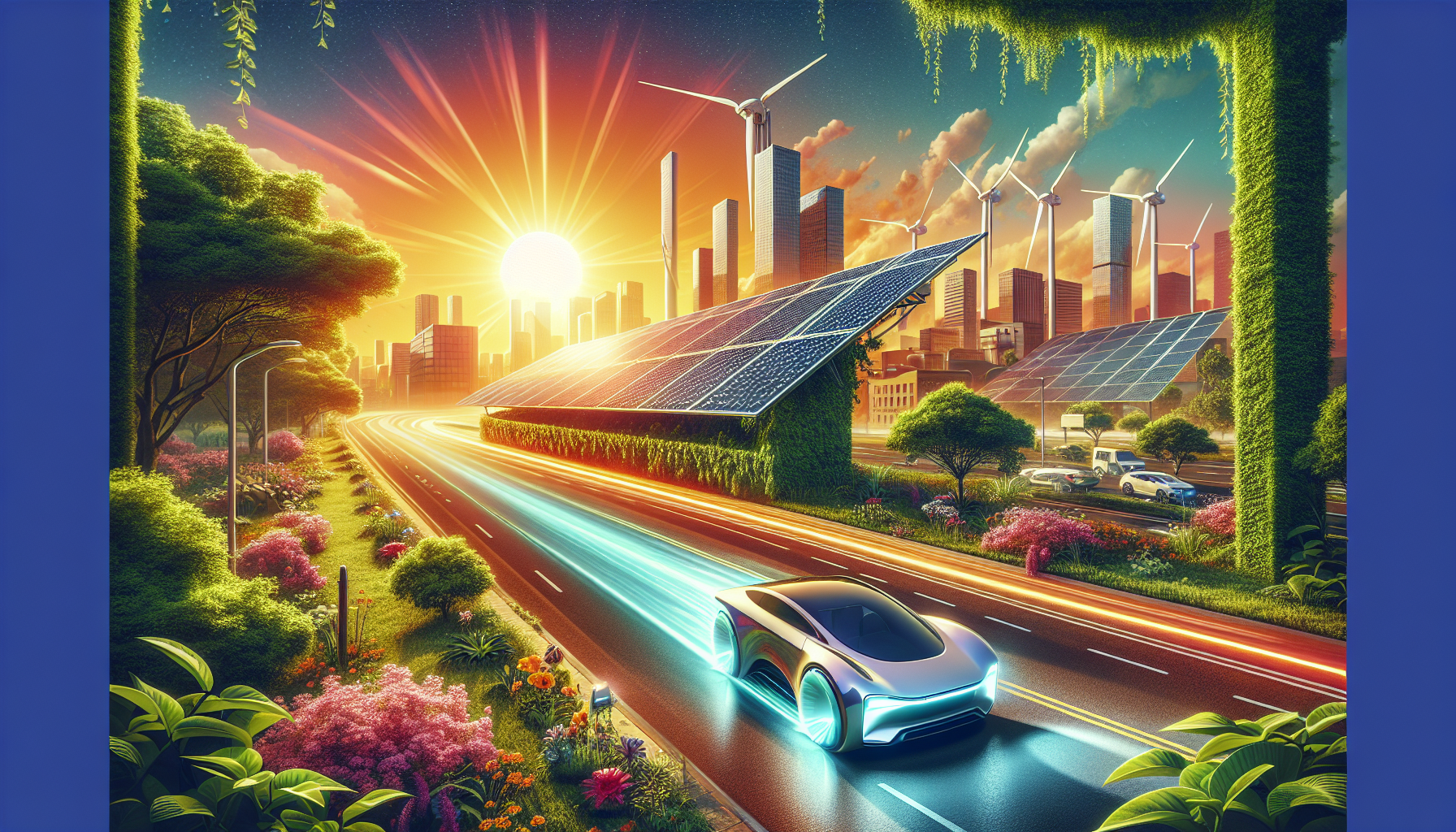
- Zero emissions during operation, drastically reducing urban air pollution
- Significant reduction in greenhouse gas contributions from the transportation sector
- Minimized noise pollution compared to conventional combustion engines
- Reduced dependency on fossil fuels and their associated extraction impacts
Economic Advantages
- Lower operational costs through reduced fuel consumption and maintenance requirements
- Decreased exposure to volatile fuel prices and supply chain disruptions
- Extended battery life in electric vehicles, delaying expensive replacement costs
- Potential for significant savings in public transit operational budgets
Operational Benefits
- Reduced dependency on charging infrastructure, especially valuable in remote areas
- Extended range and operational capabilities without stopping to refuel or recharge
- Energy generation during idle periods (e.g., parked vehicles continue collecting energy)
- Decreased demand on electrical grid infrastructure during peak hours
Challenges and Innovations
Despite impressive progress, solar transport faces significant hurdles that continue driving innovation:
Efficiency Limitations
Current commercial solar panels typically convert only 15-22% of available sunlight into electricity. However, research breakthroughs are steadily improving these figures, with automotive-grade panels now reaching 23% efficiency through advanced materials and manufacturing processes.
Physical Constraints
The limited surface area available on vehicles restricts potential energy generation. Innovations addressing this challenge include:

- Flexible, lightweight panels that conform to vehicle contours
- Semi-transparent solar cells for integration into windows and sunroofs
- Bifacial panels that capture reflected light from road surfaces
- Advanced perovskite cells offering higher efficiency in smaller footprints
Energy Storage Solutions
Balancing intermittent solar generation with consistent power demands requires sophisticated storage systems. Leading innovations include:
- Next-generation lithium-ion batteries with higher energy density
- Solid-state batteries promising greater safety and longevity
- Electrically tunable modules compatible with various battery systems
- Smart power management systems optimizing energy capture and consumption
Durability Requirements
Vehicle-mounted solar systems must withstand vibration, temperature fluctuations, and potential impacts while maintaining performance over many years. New developments in this area include shock-resistant mounting systems and weather-resilient encapsulation technologies.
Real-World Applications
Solar-powered transportation has moved beyond concept vehicles to practical implementations delivering measurable benefits:
Urban Public Transit
Cities worldwide are incorporating solar technology into public transportation fleets. Solar-powered buses operating in urban environments demonstrate how renewable energy can reduce operational costs while addressing air quality concerns. In Adelaide, Australia, the Tindo electric bus operates using solar power generated at dedicated charging stations, proving the viability of zero-emission public transit at scale.
Commercial Fleet Operations
Logistics companies have begun implementing solar solutions for truck fleets, with notable results:
- Reduction in idling fuel consumption by up to 23%
- Extended battery life in electric delivery vehicles
- Decreased maintenance requirements and associated downtime
- Enhanced operational capabilities in remote areas
Maritime Applications
Solar-powered ferries now operate in multiple harbors worldwide, including Sydney Harbour’s solar ferry services. These vessels demonstrate how solar power can provide clean, quiet transportation in sensitive marine environments while reducing operational costs.
Innovative Infrastructure
Beyond vehicles themselves, solar technology enhances the broader transportation ecosystem:
- Solar-powered bus stops with digital displays and lighting
- Solar charging stations for electric vehicles, reducing grid dependencies
- Experimental photovoltaic roadways that generate power while serving as transportation surfaces
- Solar-powered traffic signals and monitoring systems
Riding the Solar Wave
The trajectory for solar-powered transportation points decisively upward, driven by converging technological and market forces. As solar panel efficiency continues to increase while costs decrease, the economic equation becomes increasingly favorable for widespread adoption.
For fleet operators and transit authorities, the total cost of ownership for solar-enhanced vehicles now often outperforms conventional alternatives over their operational lifetime. Meanwhile, consumers increasingly value sustainability alongside performance and convenience.
The most promising developments lie in integrating solar capabilities with other emerging technologies: autonomous vehicles that can optimize positioning for solar collection, smart grid systems that leverage vehicle-to-grid capabilities, and advanced materials that further improve efficiency and durability.
While fully solar-powered long-range vehicles remain challenging with current technology, hybrid approaches that combine solar generation with conventional charging deliver immediate benefits while supporting continued innovation. As we navigate toward a sustainable transportation future, solar power stands as both an immediate solution and a platform for ongoing advancement—harnessing the infinite energy of the sun to power our journeys forward.