

The transportation sector is undergoing a fundamental transformation as solar energy emerges as a viable power source for mobility systems. No longer confined to rooftops and solar farms, photovoltaic technology is now being integrated into the very fabric of our transportation networks—creating cleaner, more resilient, and cost-effective solutions for moving people and goods.
The Rise of Solar-Powered Transportation
Solar-powered transportation infrastructure represents the convergence of renewable energy and mobility solutions, integrating photovoltaic (PV) systems into vehicles, charging stations, transit depots, and roadways. This integration creates a more sustainable approach to powering our movement, reducing dependence on both fossil fuels and conventional grid electricity.
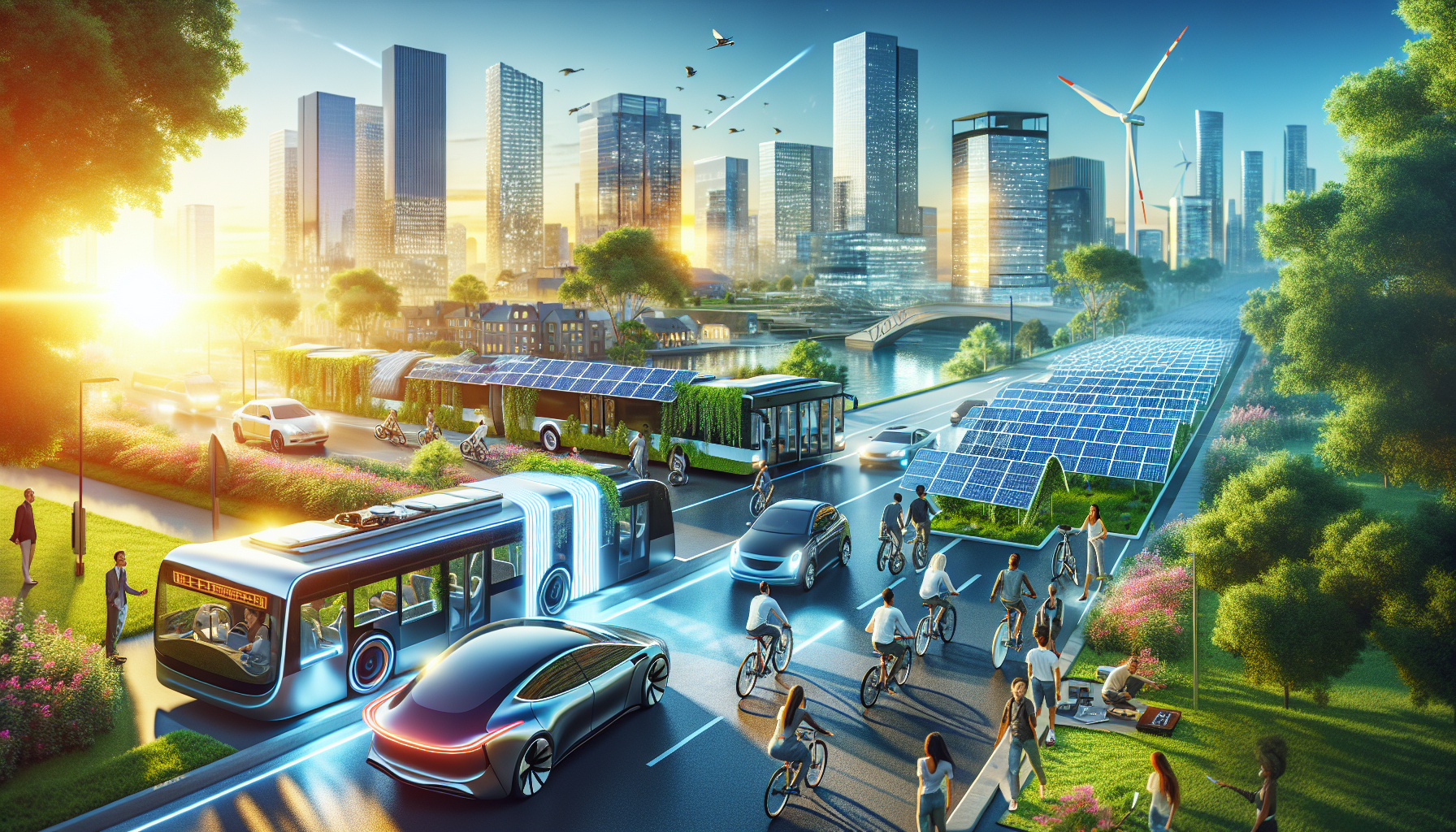
The momentum behind this shift is substantial. Modern hybrid PV and battery energy storage systems (BESS) now enable transit agencies to generate up to 55.7% of energy needs for bus depots from onsite solar. Meanwhile, vehicle-integrated photovoltaics (VIPV) can extend electric vehicle range by 19.60%, addressing a primary consumer concern with EV adoption.
What’s driving this growth is the perfect alignment of three factors: rapidly improving solar cell efficiency, falling photovoltaic costs, and increasing pressure to decarbonize transportation networks. Together, these forces are creating compelling economic and environmental cases for solar-powered mobility solutions.
Key Components of Solar-Powered Infrastructure
Effective solar transportation systems rely on several critical technologies working in concert:

- Advanced Photovoltaics: High-efficiency solar technologies like perovskite solar cells and bifacial panels are transforming what’s possible in transportation applications. These newer technologies deliver greater power output in limited spaces—crucial for vehicle integration and compact charging stations.
- Energy Storage Solutions: Lithium-ion and emerging solid-state batteries serve as the critical bridge between intermittent solar generation and consistent power needs. A typical solar transit installation might pair 6.2 MW of PV with 9.8 MWh of battery storage to ensure reliable operation.
- Energy Management Systems: Sophisticated software optimizes the interplay between solar generation, grid interaction, and vehicle charging schedules. These systems can prioritize solar charging during peak production periods while managing overall demand.
- Integration Hardware: From solar canopies over guideways to flexible panels mounted on vehicle surfaces, specialized mounting and connection systems enable practical solar applications across different transportation contexts.
The integration of these components creates systems that can operate with minimal external energy inputs. For instance, trucks and trailers equipped with PV systems can power onboard equipment through self-consumption, reducing engine idling and fuel waste.
Benefits of Solar-Powered Transportation
The advantages of solar-powered transportation infrastructure extend beyond environmental benefits to deliver measurable operational and financial improvements:
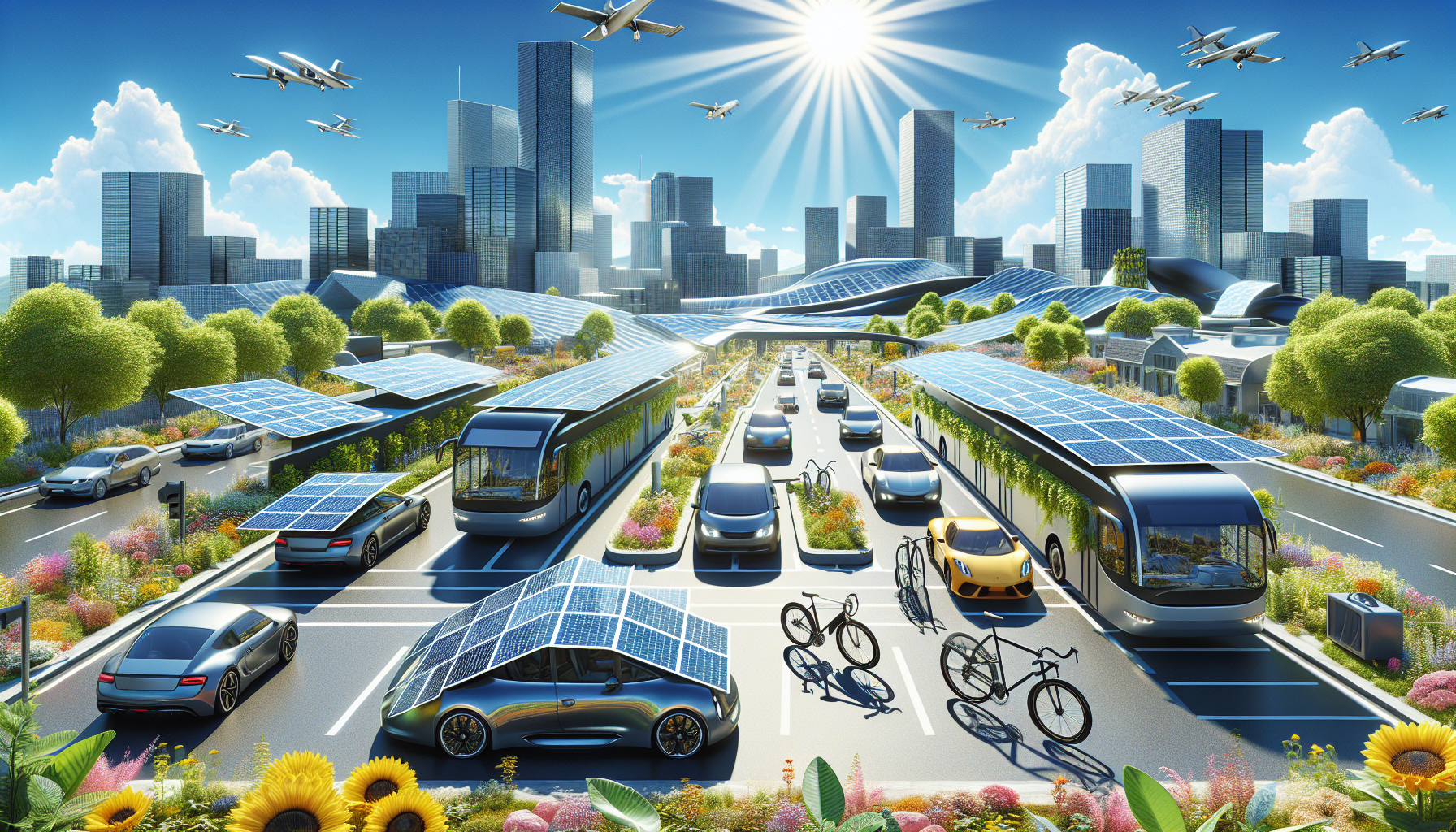
- Substantial Cost Reductions: Solar-integrated transport systems achieve operational cost savings of up to 37.35% compared to conventional approaches, primarily through reduced energy purchases and lower maintenance requirements.
- Dramatic Emissions Decreases: Solar-powered automated transit networks demonstrate up to 98% lower CO2 and PM2.5 emissions versus traditional diesel shuttles, directly addressing transportation’s substantial carbon footprint.
- Extended Vehicle Range: EVs equipped with integrated solar panels can gain meaningful additional range—critical for alleviating range anxiety and reducing charging frequency in fleet operations.
- Grid Resilience: Distributed solar generation at transit hubs and charging stations reduces grid stress, provides backup power during outages, and creates more robust transportation networks that can operate during emergencies.
- Optimized Space Utilization: Solar infrastructure makes productive use of otherwise unused spaces—bus depot rooftops, parking lot canopies, and even roadway surfaces can become clean energy generators while serving their primary function.
For transit agencies and fleet operators, these benefits translate to more predictable operating costs, improved service reliability, and meaningful progress toward sustainability goals.
Challenges and Considerations
Despite its promise, solar-powered transportation faces several obstacles that require thoughtful approaches:

- Substantial Initial Investment: The upfront costs remain significant—a comprehensive 6.2 MW solar automated transit network can require $11.4 million in initial investment, creating budget challenges for public agencies.
- Intermittency Management: Solar generation’s inherent variability necessitates proper sizing of storage systems and intelligent integration with other power sources to maintain reliable transportation operations.
- Space Constraints: Many transit facilities weren’t designed with solar in mind, creating engineering challenges for retrofitting solar capabilities onto existing structures and vehicles.
- Weather Vulnerability: Solar systems must be engineered for resilience against severe weather while maintaining performance across seasonal variations in sunlight availability.
- Integration Complexity: Connecting solar systems with existing electric transportation infrastructure requires careful planning to manage differing voltage requirements, charging protocols, and peak demand periods.
These challenges highlight the importance of thorough feasibility studies and customized system designs that account for local conditions, existing infrastructure, and operational requirements.
Real-World Examples and Innovations
Solar transportation is moving beyond theory into successful implementations across multiple mobility modes:
- Solar Bus Depots: Transit agencies are transforming bus facilities with rooftop solar arrays and battery systems that power both facility operations and vehicle charging. These decentralized charging systems reduce grid dependence while optimizing charging schedules.
- Solar-Powered Rail: In India, solar panels installed along train tracks generate power for station operations and signaling systems, demonstrating how existing rail corridors can become energy producers.
- Smart Bus Stops: Solar-powered bus shelters illuminate passenger waiting areas while powering real-time information displays and even providing public charging stations—all without grid connections.
- Solar Traffic Systems: Remote traffic signals powered by solar panels with integrated batteries provide reliable operation in areas where grid connections would be prohibitively expensive, enhancing safety while reducing infrastructure costs.
- Solar Ferries: Water transportation is joining the solar revolution with vessels in Sydney Harbour and elsewhere demonstrating how marine transport can operate on clean, renewable power.
- Automated Transit Networks: University campuses are implementing solar-powered shuttle systems that operate 24/7 under net-metered conditions, replacing diesel campus buses with zero-emission alternatives.
These implementations are not merely pilot projects but fully operational systems delivering reliable transportation services while demonstrating the practical viability of solar power in diverse mobility applications.
The Road Ahead: Future Prospects
The evolution of solar-powered transportation is accelerating with several promising developments on the horizon:
- Structural Solar Integration: Next-generation vehicles will incorporate solar cells directly into body panels, windows, and surfaces rather than as add-on modules, improving both aesthetics and efficiency.
- Photovoltaic Roadways: Pilot projects embedding solar cells in road surfaces are expanding, moving toward a future where highways themselves generate clean electricity while supporting vehicle movement.
- Bidirectional Charging: Advanced vehicle-to-grid integration will allow solar-charged EVs to serve as mobile energy storage units, supporting grid stability during peak demand periods.
- Wireless Charging: Solar-powered inductive charging embedded in roadways will enable vehicles to charge while in motion, dramatically extending range and reducing battery size requirements.
- Autonomous + Solar: The convergence of autonomous technology with solar power creates opportunities for self-driving, self-charging vehicles that optimize their routes and charging schedules based on solar availability.
Research priorities are increasingly focused on flexible, high-efficiency solar technologies that can conform to the curved surfaces of vehicles while withstanding vibration, temperature variation, and weather exposure.
A Brighter Path Forward
Solar-powered transportation infrastructure represents a transformative approach to mobility that aligns environmental responsibility with operational efficiency. By capturing free, abundant sunlight to power our movement, we can create transportation systems that are cleaner, more resilient, and ultimately more sustainable.
As solar technology continues to advance and deployments scale up, costs will continue to decline while performance improves. For transportation planners, fleet operators, and policymakers, the message is clear: solar-powered mobility solutions deserve serious consideration not just as environmental initiatives but as practical, forward-looking investments in better transportation infrastructure.
The sun’s energy has always moved our planet. Now, it’s directly moving our vehicles too—pointing the way toward a brighter future for transportation.