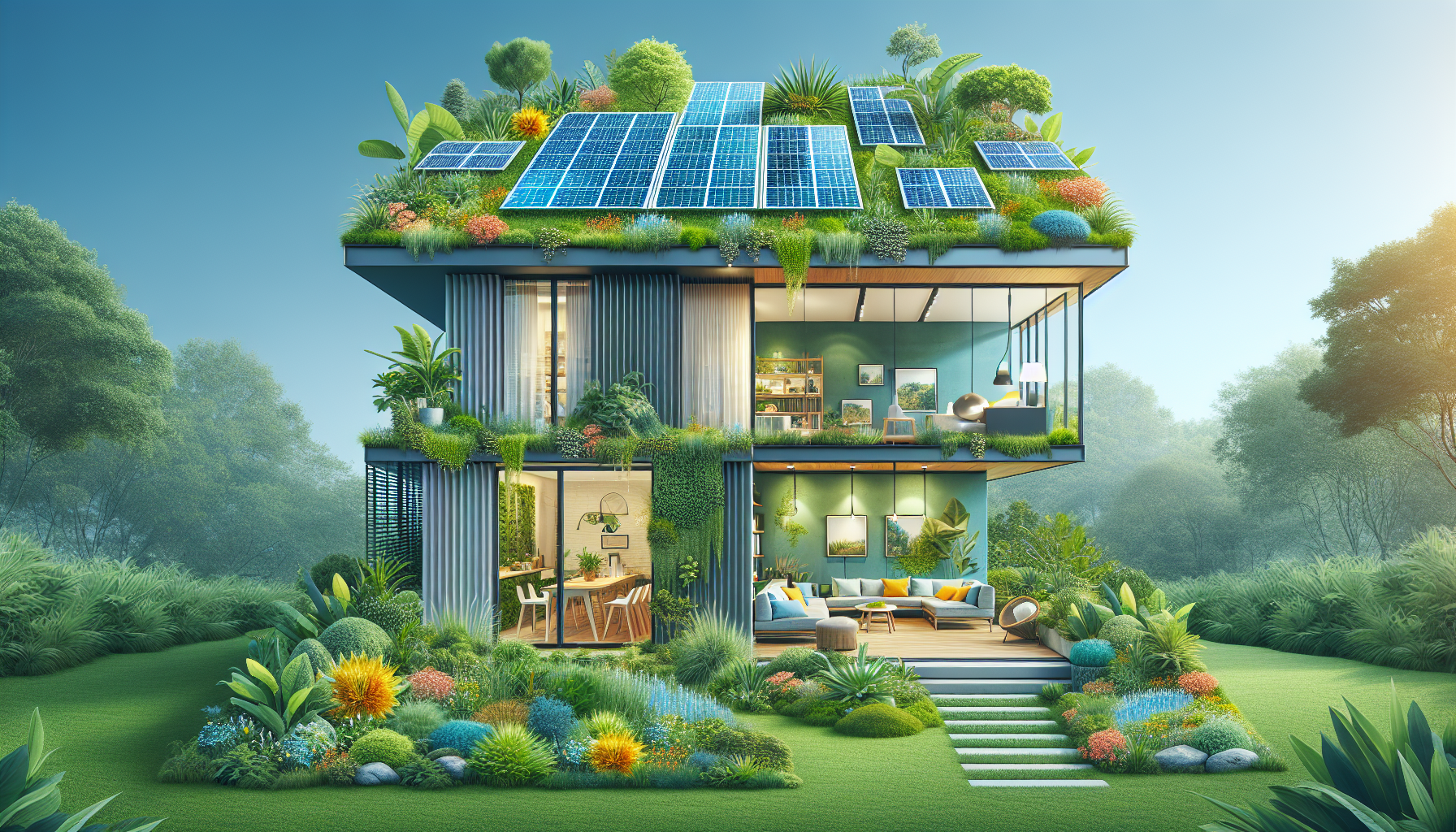
As energy costs continue to rise and environmental concerns grow, homeowners are increasingly turning to energy-efficient upgrades to reduce their carbon footprint and save money. These strategic improvements not only lower monthly utility bills but also enhance comfort, increase property value, and contribute to a more sustainable future. Let’s explore the most impactful energy-efficient home upgrades that deliver real results.
Start Saving Energy Today
The foundation of an energy-efficient home begins with proper insulation and sealing—the most cost-effective upgrades with impressive returns on investment. These fundamental improvements can reduce energy waste by up to 30% throughout your home.
Prioritize these high-impact improvements for immediate energy savings:
- Attic insulation and air sealing – Prevents heat transfer and can reduce heating and cooling costs by up to 10%
- ENERGY STAR certified windows – Lower energy bills by approximately 12% while improving comfort
- Programmable thermostats – Simple automation that cuts heating and cooling expenses by 10-15%
Before making major investments, consider scheduling a professional home energy audit. This comprehensive assessment identifies specific problem areas and helps prioritize upgrades for maximum efficiency. According to the Department of Energy, addressing air leaks and improving insulation are among the most cost-effective ways to boost energy efficiency in existing homes.

Quick Weatherization Wins
Even renters and budget-conscious homeowners can implement these DIY weatherization techniques:
- Seal gaps around windows and doors with weatherstripping
- Install door sweeps to prevent drafts
- Use caulk to seal cracks in walls, windows, and foundations
- Add insulating window films for older windows
Illuminate with Efficiency
Lighting accounts for approximately 15% of a typical home’s electricity use. Modern lighting solutions offer significant energy savings while providing better illumination.
LED lighting technology has revolutionized home efficiency by:

- Using up to 75% less energy than traditional incandescent bulbs
- Lasting 15-25 times longer, reducing replacement costs
- Generating less heat, which reduces cooling demands in summer
Beyond bulb replacement, consider these lighting upgrades:
- Install dimmer switches to adjust light levels and save energy
- Add motion sensors for areas where lights are frequently left on
- Optimize natural lighting with strategic window treatments
The integration of smart lighting systems allows for precise control, scheduling, and remote management—further enhancing efficiency while adding convenience.
Harness the Power of the Sun
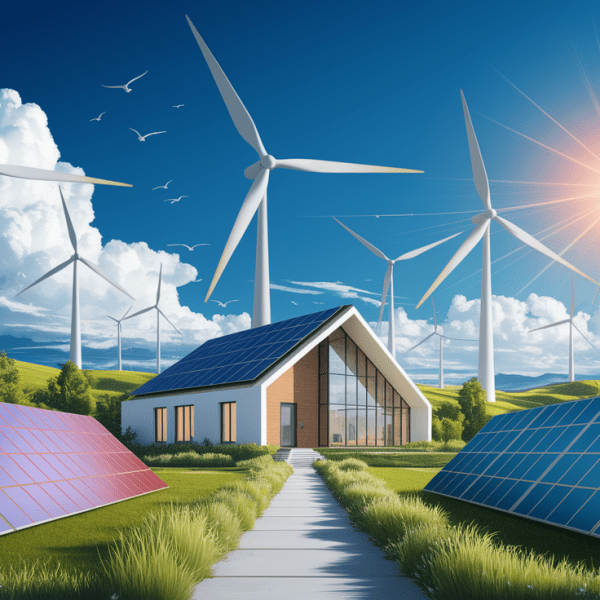
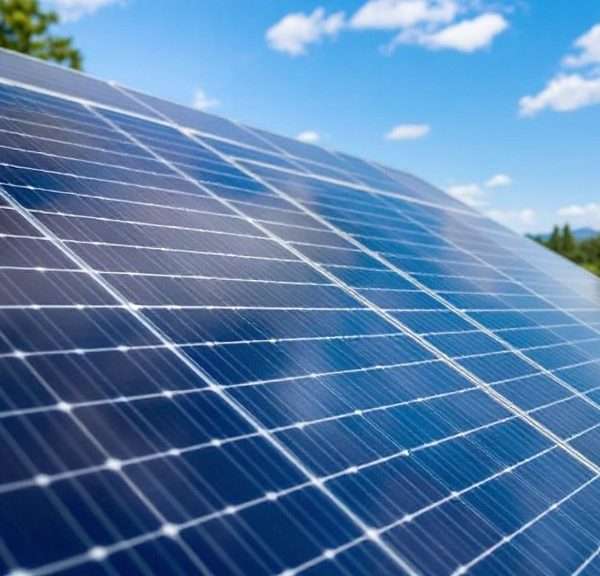
Solar energy represents one of the most transformative investments for long-term energy independence and savings. Modern photovoltaic systems have become more affordable and efficient, making them accessible to more homeowners.
The compelling benefits of solar installation include:
- Substantial reduction in or elimination of electricity bills
- Protection against rising utility rates
- Increased home value by an average of 4.1%
- Significant environmental impact through reduced carbon emissions
Financial incentives make solar even more attractive. The federal Residential Clean Energy Credit offers a 30% tax credit for solar installations, dramatically improving the return on investment. Depending on your location, additional state and local incentives may further reduce costs.
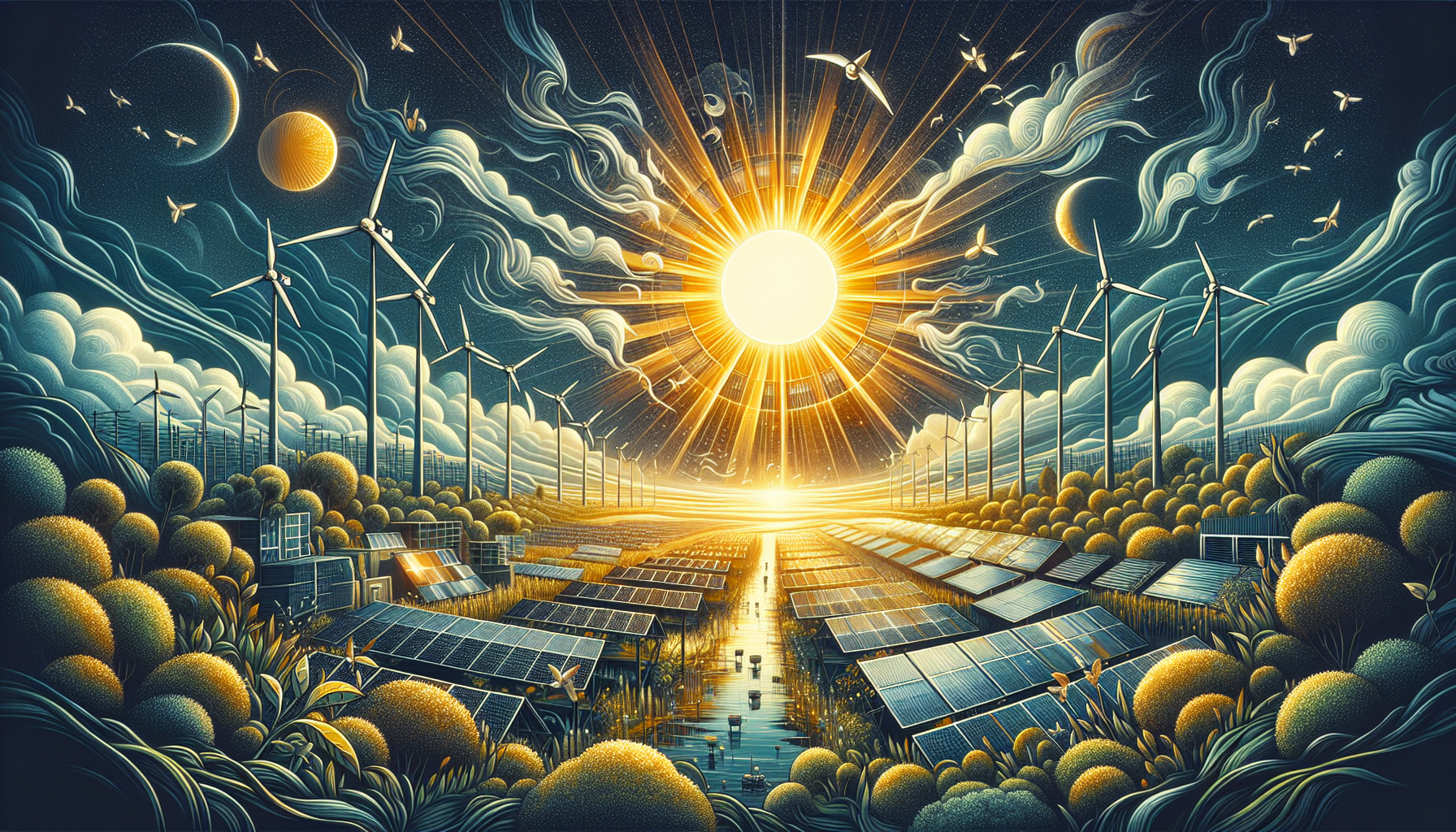
When considering solar, assess your home’s orientation, roof condition, and local climate to determine optimal system sizing. Many homeowners now pair solar with battery storage to maximize self-consumption and provide backup power during outages.
Upgrade Your Appliances
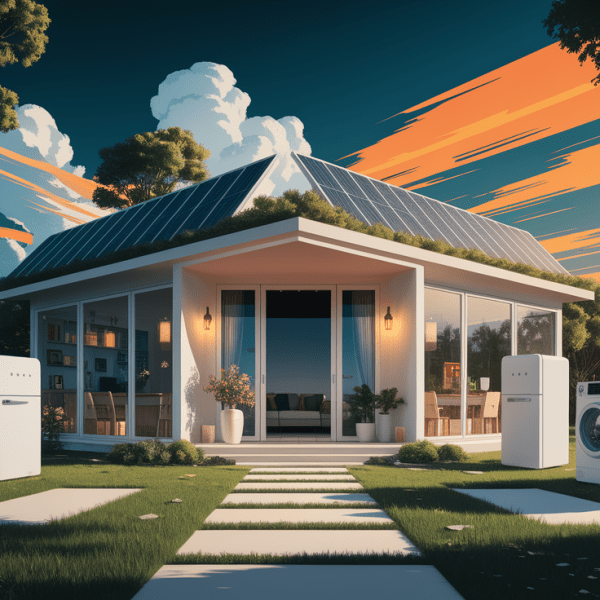
Household appliances account for a significant portion of home energy use. Replacing outdated models with energy-efficient alternatives can yield substantial savings.
According to data from the National Association of Realtors, ENERGY STAR certified appliances can save households approximately $450 annually on utility bills. When upgrading, prioritize:
- Refrigerators and freezers (among the highest energy consumers)
- Washing machines and dryers
- Dishwashers
- HVAC systems and heat pumps
Heat pumps deserve special attention as they provide both efficient heating and cooling. Modern heat pumps operate effectively even in cold climates and can reduce heating costs by up to 50% compared to electric resistance heating. The Energy Efficient Home Improvement Credit offers significant tax benefits for qualifying heat pump installations.
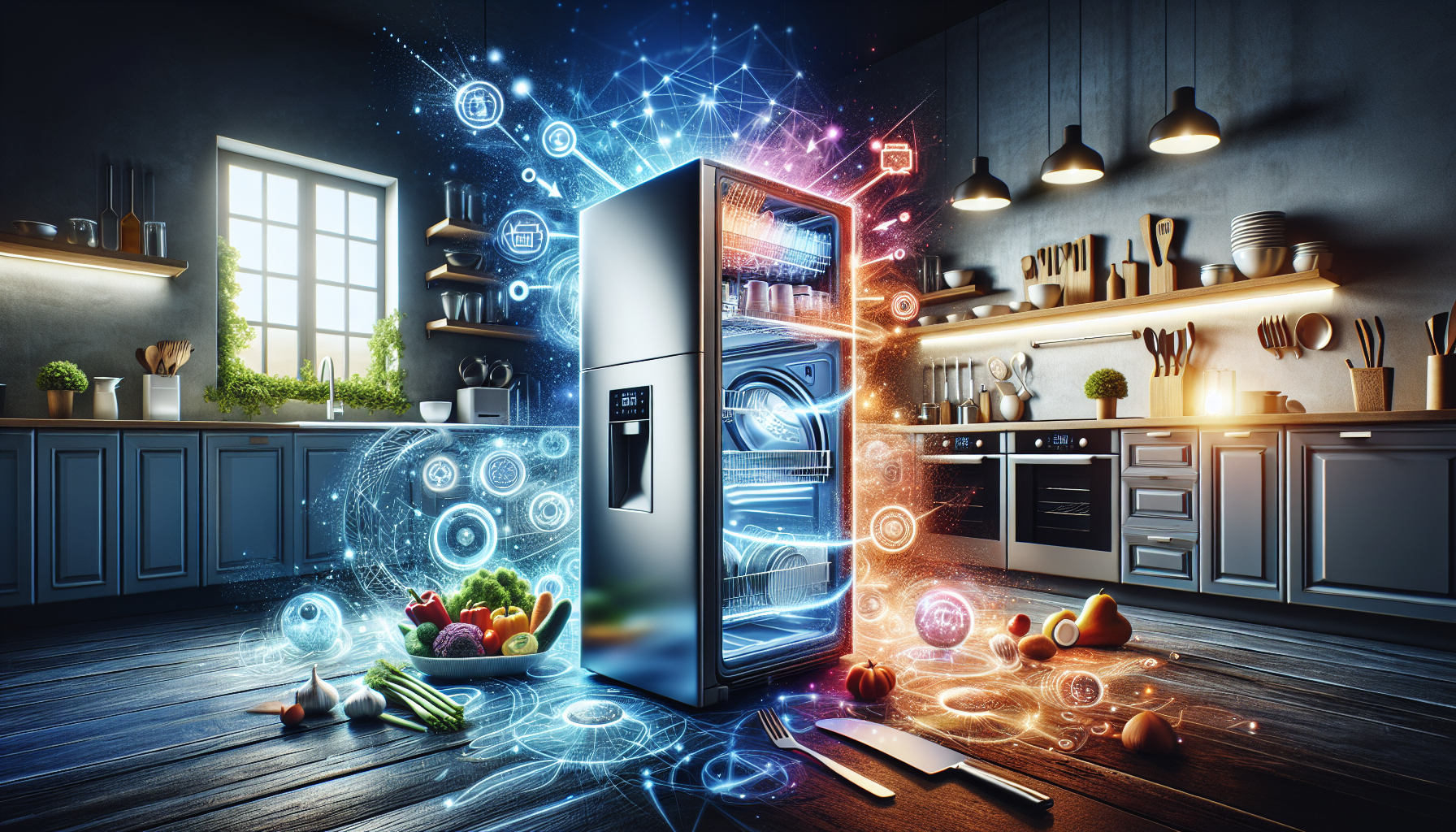
Smart appliances add another layer of efficiency by optimizing energy use based on actual needs and patterns. They can be programmed to run during off-peak hours, further reducing costs in areas with time-of-use electricity pricing.
Water Conservation Techniques
Water and energy efficiency are deeply interconnected. Heating water typically accounts for about 18% of home energy use, making water conservation an important aspect of overall energy efficiency.
Consider these water-saving upgrades:
- High-efficiency water heaters (tankless or heat pump models)
- Low-flow faucets and showerheads
- WaterSense-labeled toilets
- ENERGY STAR certified dishwashers and washing machines
Smart irrigation systems for outdoor water use can reduce landscape water consumption by 15-50% while maintaining healthy plants. These systems adjust watering schedules based on weather conditions and soil moisture levels.
Programs like Nevada’s RE-UP initiative offer incentives for water efficiency upgrades that complement energy improvements, creating comprehensive home performance enhancements.
A Greener Tomorrow Starts Today
Energy-efficient home upgrades deliver multiple benefits that extend far beyond utility bill savings:
- Financial advantages – Lower monthly operating costs, increased property value, and protection against rising energy prices
- Environmental impact – Reduced carbon footprint and conservation of natural resources
- Enhanced comfort – More consistent temperatures, improved air quality, and reduced noise
- Health benefits – Better ventilation and humidity control, fewer allergens, and reduced exposure to outdoor pollutants
While some upgrades require significant investment, many improvements can be implemented gradually as part of a long-term strategy. Start with a professional energy assessment to identify the most impactful improvements for your specific home.
Take advantage of current incentives, including the expanded federal tax credits of up to $3,200 for qualified energy efficiency improvements made after January 1, 2023. These incentives significantly improve project economics and accelerate payback periods.
Whether you’re planning a comprehensive home performance upgrade or seeking budget-friendly improvements, every step toward greater energy efficiency contributes to a more sustainable future while creating a more comfortable, valuable home today.