The Power of Synergy
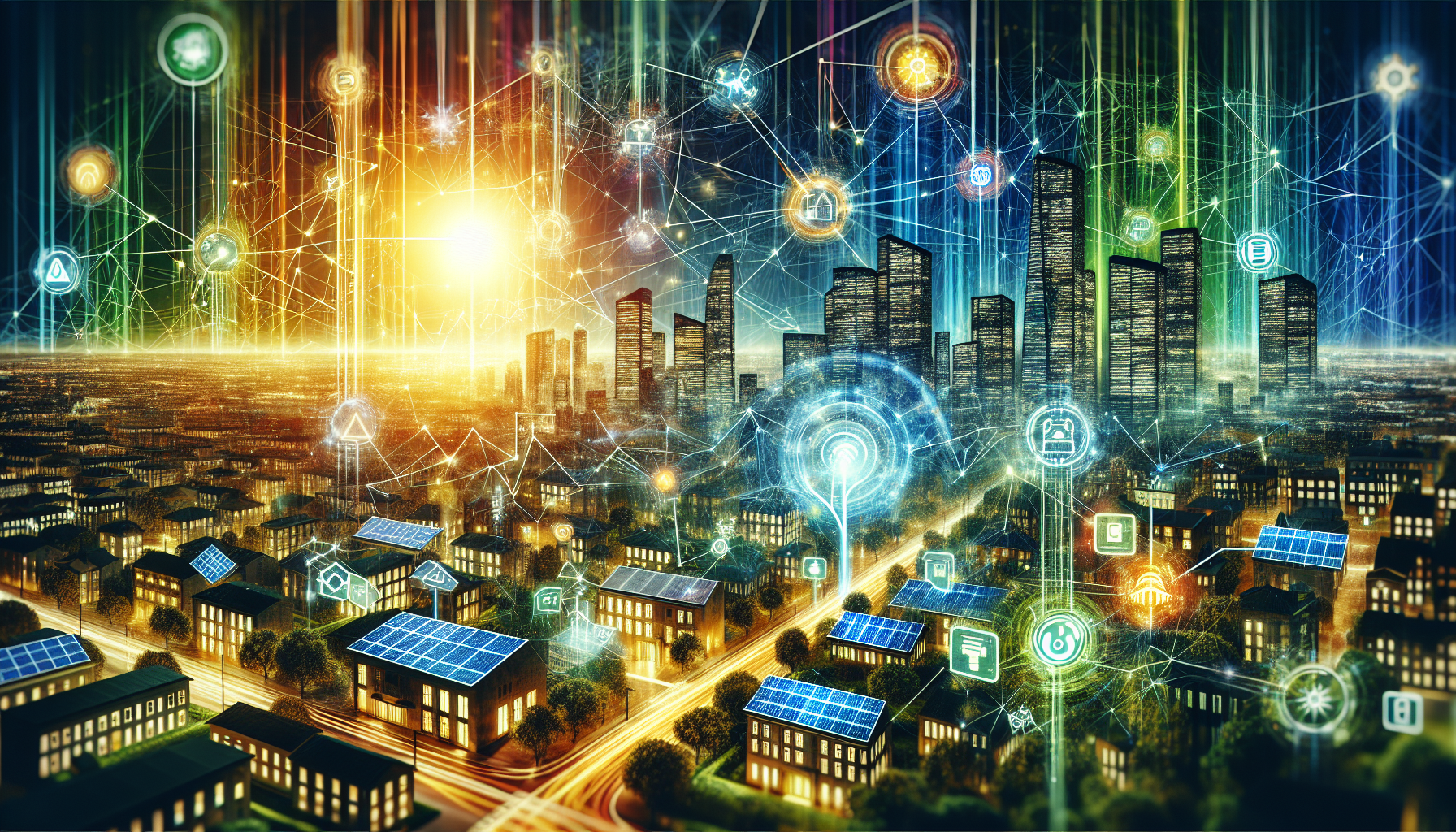
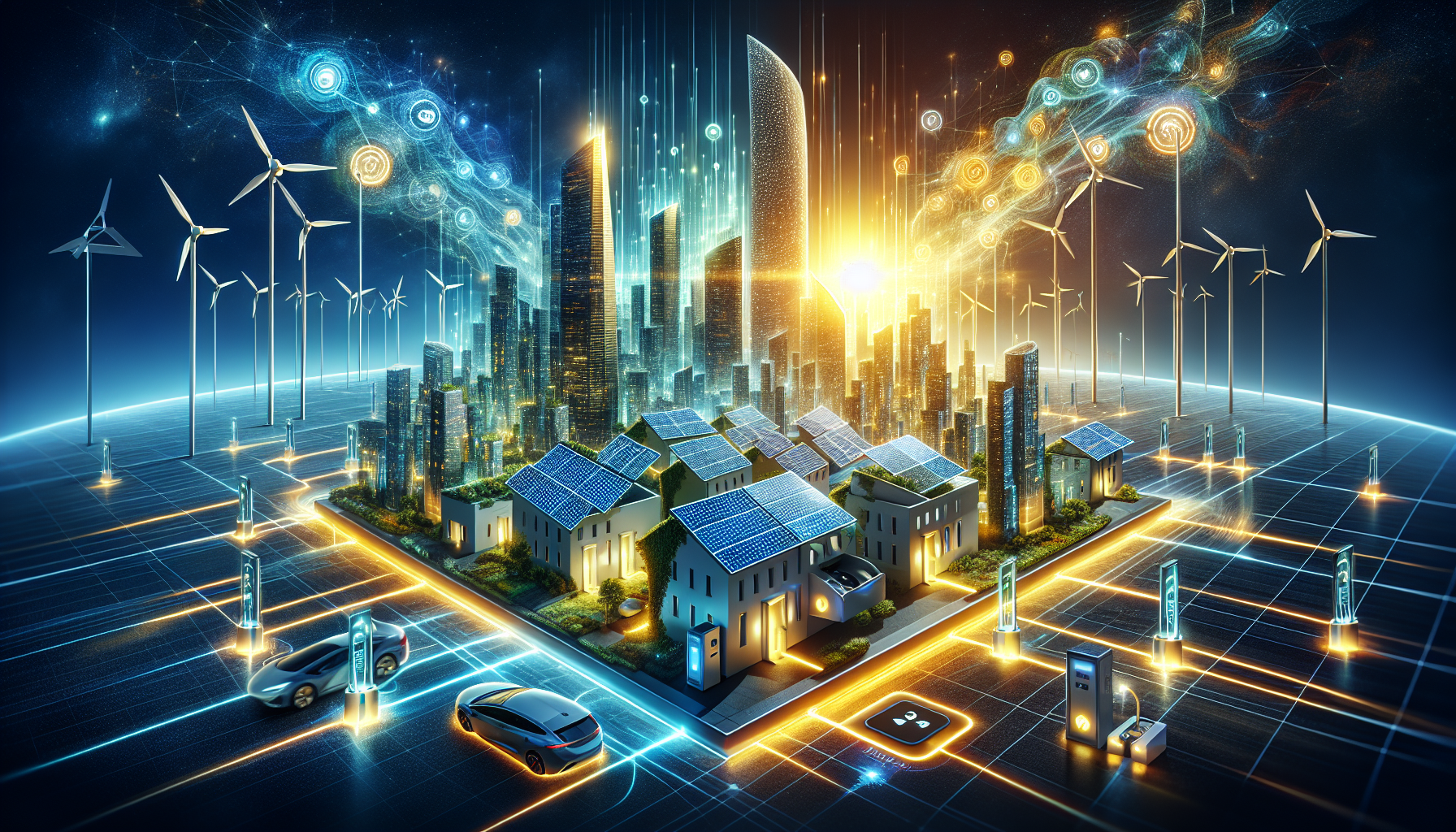
The integration of solar energy with smart grid technology represents one of the most promising developments in our transition to sustainable energy systems. At its core, a smart grid is an electricity network enhanced with digital technology, sensors, and automation that optimizes energy flow in real-time—revolutionizing how we generate, distribute, and consume power.

Unlike conventional power grids designed for one-way electricity flow from centralized plants, smart grids excel at handling the bidirectional energy movement essential for distributed solar generation. This bidirectional capability allows excess solar power from homes and businesses to feed back into the network, creating resilient energy systems that reduce fossil fuel dependence while enhancing grid stability.
The numbers tell a compelling story: regions implementing smart grid solar integration are seeing operational efficiency improvements of 15-30%, significantly reducing transmission losses that plague conventional systems. This synergy isn’t just technically impressive—it’s transforming our energy landscape in measurable ways.
How Smart Grids Enhance Solar Energy
Smart grid technology amplifies the value of solar installations through several key mechanisms:
- Advanced inverter solutions: Smart inverters not only convert DC solar power to AC but actively support grid stability by responding to frequency changes and disruptions. Unlike conventional generators with mechanical inertia, these inverters provide digital grid services that maintain system integrity even with high solar penetration.
- Predictive capabilities: Sophisticated forecasting models now predict solar generation with remarkable accuracy, allowing grid operators to anticipate and accommodate fluctuations in renewable output hours or even days in advance.
- Demand-side management: Smart meters and responsive appliances shift consumption to periods of peak solar production, maximizing the utilization of clean energy when it’s most abundant.
- Integrated storage solutions: Battery systems coordinated through smart grid controllers store excess daytime solar production for evening use, smoothing the notorious “duck curve” that challenges grid operators during sunset hours.
Perhaps most impressively, geographic diversity in solar deployment connected through smart grid infrastructure significantly reduces aggregate variability. When cloud cover reduces generation in one area, clear skies elsewhere help maintain overall system balance—a benefit only possible with advanced grid intelligence.
Overcoming Challenges
Solar energy’s integration with conventional grids faces substantial technical hurdles that smart grid technologies are uniquely positioned to address:
The primary challenge remains variability—solar output can change dramatically within minutes as clouds pass overhead, creating potential grid instability. Traditional grids, designed for constant baseload power, struggle with these rapid fluctuations. Smart grids counter this through automated control systems that instantaneously balance supply and demand.
Another significant hurdle involves the lack of inertial response in solar systems. Conventional power plants provide mechanical inertia that naturally resists frequency changes, while solar inverters must simulate this effect digitally. Advanced inverters now offer grid-forming capabilities that maintain stability even with high renewable penetration.

Implementation costs represent another barrier, particularly in regions with aging infrastructure. However, the economics increasingly favor smart upgrades when accounting for:
- Deferred transmission expansion costs
- Reduced peak capacity requirements
- Lower operational and maintenance expenses
- Enhanced resilience against outages
Analysis from the National Renewable Energy Laboratory demonstrates that smart grid technologies can increase existing grid capacity for solar by 20-40% without physical infrastructure upgrades—a compelling economic proposition for utilities facing capacity constraints.
Real-world Applications
Smart grid solar integration has moved beyond theoretical benefits to deliver measurable results in diverse settings worldwide:
In residential communities, homeowners with rooftop solar are increasingly participating in virtual power plant programs where their systems—coordinated through smart grid platforms—collectively respond to grid needs. These homes not only generate clean power but provide essential services like frequency regulation and voltage support that were once exclusively supplied by large power plants.
Commercial applications demonstrate even greater sophistication. Retail chains with multiple locations now leverage smart grid integration to optimize their solar assets across entire regions, directing power where it delivers maximum value based on time-varying rates and grid conditions.

At the utility scale, grid operators using advanced management systems have successfully increased solar hosting capacity by 15-30% in existing circuits—avoiding millions in unnecessary infrastructure investments. Real-time visibility and control enable precise balancing that maximizes clean energy utilization while maintaining reliability standards.
Island communities present particularly compelling examples. Places like Hawaii have achieved solar penetration levels exceeding 60% during peak production hours—levels once considered technically impossible—through comprehensive smart grid deployment that coordinates thousands of distributed resources as a unified system.
The Road Ahead
The evolution of smart grid solar integration is accelerating, with several key developments shaping the landscape:
Artificial intelligence is revolutionizing grid management, with self-learning algorithms now predicting solar production patterns and optimizing grid operations with unprecedented precision. These systems process millions of data points from weather forecasts, historical generation patterns, and consumption trends to orchestrate increasingly complex networks of distributed resources.
Regulatory frameworks are evolving to recognize and compensate the full range of services that integrated solar can provide. Beyond simple net metering, advanced tariff structures now value attributes like dispatchability, fast frequency response, and locational benefits—increasing the economic value proposition for smart solar deployments.
Community-scale solutions are gaining traction, with microgrids serving as proving grounds for advanced integration techniques. These systems demonstrate how neighborhoods can achieve remarkable levels of energy independence while still supporting broader grid stability through intelligent interconnection.
Perhaps most significantly, the technology cost curve continues its dramatic decline. Smart inverters that once commanded substantial premiums are approaching cost parity with conventional options, making advanced grid functionality increasingly accessible to all solar installations.
A Brighter Tomorrow
The convergence of solar energy and smart grid technology represents more than a technical achievement—it’s a fundamental reimagining of our energy system. This integration enables a future where clean energy isn’t just an alternative but the foundation of a more resilient, efficient, and sustainable power network.
For consumers, businesses, and utilities alike, the path forward is clear: embracing smart grid solar integration delivers immediate benefits while building the infrastructure for continued renewable growth. As these technologies scale, they create positive feedback loops—each deployment improves performance, reduces costs, and paves the way for higher penetration levels.
The transformation is already underway. Communities that implement these integrated solutions are experiencing cleaner air, lower energy costs, and enhanced resilience against both climate impacts and infrastructure failures. This isn’t just an energy revolution—it’s the foundation of a more sustainable society.
By harnessing the complementary strengths of solar generation and intelligent grid management, we’re not just reimagining our energy systems—we’re building them, today, for a brighter tomorrow.