
As renewable energy installations continue to proliferate across landscapes worldwide, their impacts extend far beyond simple kilowatt-hour generation. From rural farming communities to urban centers, the shift toward sustainable power creates multidimensional changes that reshape local economies, environments, and social structures. This transformation represents one of the most significant developments in community infrastructure since electrification began over a century ago.
Immediate Economic Benefits
The economic advantages of renewable energy development begin almost immediately upon project approval and continue throughout the lifecycle of installations. Communities hosting renewable projects experience measurable gains across multiple economic indicators, with research showing average employment increases scoring 4.12 on a 5-point scale, while energy cost reduction rates at 3.89 and regional investment growth at 4.03.
Job creation remains one of the most tangible benefits, spanning multiple sectors:
- Manufacturing of components and equipment
- Construction and installation labor
- Operations and maintenance positions
- Supporting services and supply chain roles
These employment opportunities are particularly valuable as they represent green jobs that contribute to sustainable economic development while providing stable, often above-average wages in areas that may have experienced economic stagnation.

Beyond employment, renewable energy projects stabilize energy costs by reducing dependence on volatile fossil fuel markets. When communities generate power locally, they insulate themselves from price fluctuations while keeping energy dollars circulating within the local economy rather than flowing to distant fuel suppliers.
Community-owned energy initiatives like microgrids and solar cooperatives further enhance economic resilience by providing affordable energy supplies that support local business growth. These structures allow small businesses to redirect funds previously spent on escalating utility costs toward expansion, hiring, and other productive investments.
Environmental Advantages
The environmental benefits of renewable energy at the community level are substantial and immediate. Unlike conventional power generation, renewable sources including solar, wind, geothermal, and biomass produce no greenhouse gas emissions during operation, creating significant improvements in local air quality and public health outcomes.
These environmental advantages translate into tangible community benefits:
- Reduced respiratory illnesses from decreased air pollution
- Lower healthcare costs across the community
- Protection of local water resources from energy-related contamination
- Preservation of natural landscapes from extraction activities
Local governments implementing renewable energy projects can substantially reduce their carbon footprints while demonstrating leadership on climate issues. Municipal buildings powered by on-site generation serve as visible symbols of community values while contributing to broader climate goals.
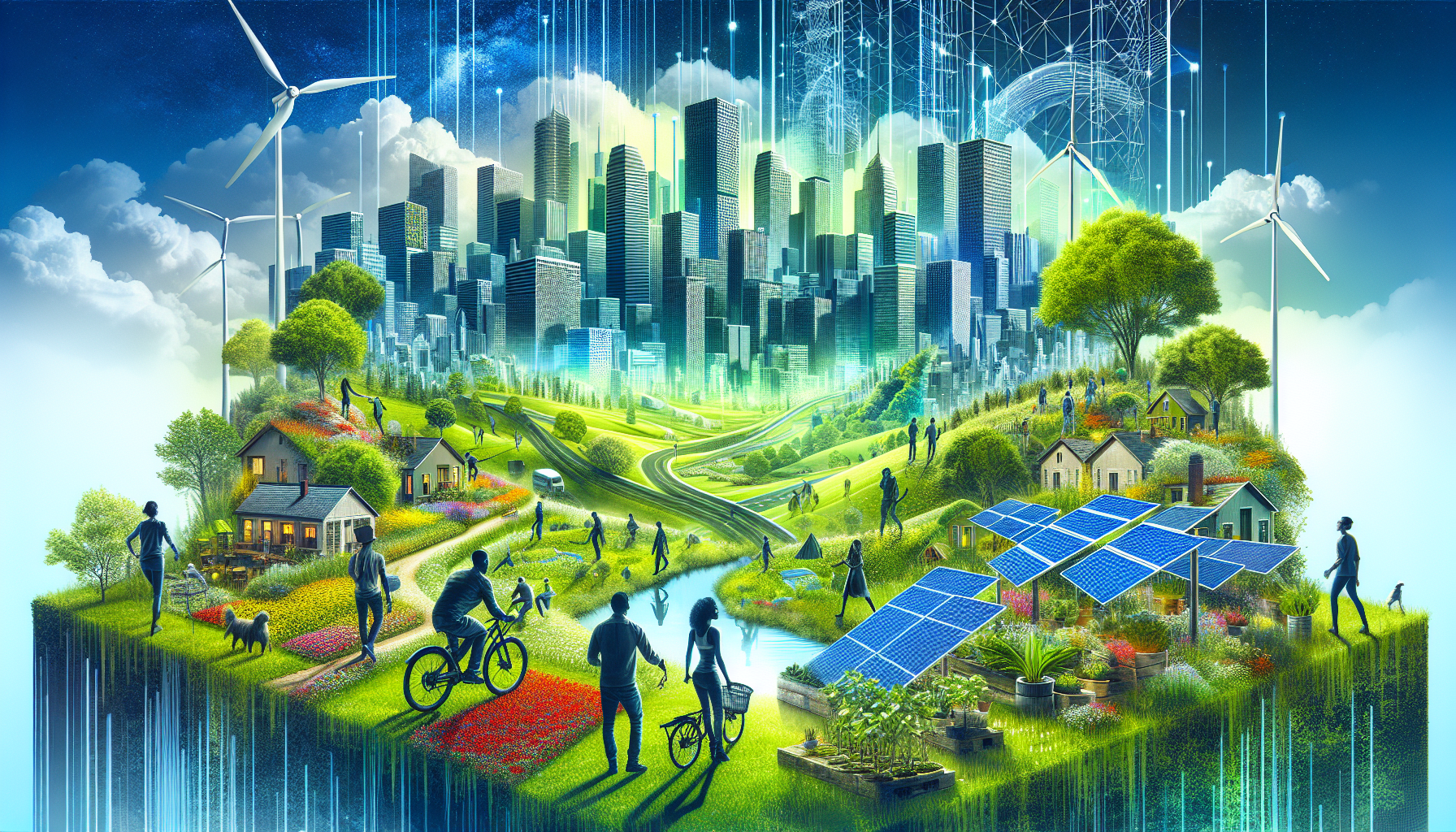
In rural and remote areas, micro-renewable installations combat energy poverty by providing reliable electricity without the environmental consequences associated with diesel generators or other stopgap power solutions, supporting both environmental health and sustainable development objectives.
Social Impacts
The social dimensions of renewable energy implementation often receive less attention than economic or environmental factors, yet research indicates these impacts significantly enhance community wellbeing. Studies have documented increased community participation scoring 4.20 and public satisfaction rating 4.10 on standardized 5-point assessments of renewable energy projects.
Renewable installations foster collaborative frameworks that strengthen social connections through:
- Public-private partnerships for project development
- Educational and workforce training initiatives
- Citizen-driven energy communities promoting local ownership
- Cross-sector collaboration between government, business, and residents
Innovative programs like Solar Gulayan support farmers with renewable energy knowledge and resources, bridging traditional divides between agricultural communities and technology sectors. These initiatives build social capital while creating pathways to participation for traditionally marginalized groups.

In underserved communities, renewable energy projects can address historical inequities in energy access and environmental burden. When thoughtfully implemented with community input, these installations provide clean, affordable power while building capacity for future community-led development.
The social cohesion fostered through participatory energy projects enhances overall quality of life metrics and creates resilient social networks that benefit communities beyond their energy systems.
Challenges and Considerations
Despite their many advantages, renewable energy developments face significant challenges when integrating into local communities. Understanding and addressing these concerns remains essential for successful project implementation.
Land use conflicts represent a primary challenge, particularly for utility-scale installations. Wind farms and solar arrays require substantial space, sometimes displacing agricultural land or altering cherished landscapes. This physical footprint can generate opposition even among residents who generally support renewable energy concepts.
Visual impacts present another common friction point, particularly in areas where tourism or natural beauty contributes significantly to local identity and economic activity. The industrial appearance of certain installations may conflict with community aesthetics or historical character.

Additional challenges include:
- Concerns about property values near large installations
- Disruptions during construction phases
- Perceptions of unequal benefit distribution between landowners and the broader community
- Impacts on wildlife and natural habitats
Successful projects typically incorporate comprehensive community engagement strategies addressing physical impacts and resident concerns before conflicts intensify. Host community agreements can establish clear expectations regarding tax benefits, infrastructure improvements, and other community investments that ensure equitable distribution of project benefits.
Future Prospects
The trajectory of renewable energy in community development shows strong potential for continued expansion and deeper integration. Emerging technologies are reducing costs while increasing efficiency, making renewables increasingly competitive without subsidies.
Several trends suggest promising directions for community renewable energy:
- Advanced storage solutions enabling greater grid independence
- Virtual power plants aggregating distributed generation assets
- AI-optimized energy management systems maximizing local generation benefits
- Integrated development approaches combining renewables with housing, agriculture, and transportation
Policy frameworks increasingly recognize the value of community-scale installations, with many jurisdictions developing specialized provisions for community solar, net metering, and cooperative ownership structures that expand access beyond traditional property owners.
The convergence of climate policy goals with energy security concerns and falling technology costs creates a favorable environment for continued community renewable energy growth, with projections suggesting community-owned capacity could increase tenfold in many markets over the coming decade.
The Green Horizon: A Community’s Path Forward
Communities seeking to maximize benefits from renewable energy transitions can adopt several proven strategies based on successful implementations worldwide. Effective approaches typically begin with inclusive planning processes that establish clear community priorities before project development.
Critical success factors include:
- Transparent governance structures ensuring broad representation
- Educational initiatives building local technical capacity
- Phased implementation allowing for adaptation and learning
- Clear benefit-sharing mechanisms addressing equity concerns
Local governments can facilitate positive outcomes by developing supportive permitting processes, creating energy planning documents that identify optimal development zones, and establishing community benefit standards for commercial developers.
As communities navigate the transition toward renewable energy systems, those adopting proactive, inclusive approaches stand to gain the greatest benefits while minimizing potential disruptions. The most successful examples demonstrate that when renewable energy development aligns with community values and priorities, it creates cascading positive impacts that extend far beyond clean electricity generation.
The evidence increasingly shows that renewable energy, when thoughtfully integrated into community planning and development, represents not merely a technical shift in power generation, but a transformative opportunity to build more resilient, equitable, and sustainable communities for the future.