Introduction
The renewable energy landscape is rapidly evolving, with lithium iron phosphate (LiFePO4 or LFP) batteries emerging as a preferred energy storage solution for solar installations, electric vehicles, and residential backup power systems. These batteries have gained popularity due to their stability and enhanced safety profile compared to conventional lithium-ion options.

As solar energy adoption accelerates worldwide, understanding the safety characteristics, potential risks, and proper handling of LiFePO4 batteries becomes increasingly important for consumers, installers, and emergency responders alike.
Main Content
Understanding LiFePO4 Battery Chemistry
LiFePO4 batteries utilize lithium iron phosphate as the cathode material paired with a graphitic carbon anode. This specific chemistry creates a more stable cathode structure compared to other lithium-ion variants, significantly reducing the risks of overheating and thermal runaway.
The battery chemistry allows LFP batteries to operate at lower temperatures while maintaining exceptional thermal and chemical stability. This inherent stability contributes to their reputation as one of the safest lithium-ion battery types available today.
“The molecular bonds in LiFePO4 are stronger than those in other lithium-ion chemistries, making them more resistant to oxygen release during thermal events,” explains battery safety expert Dr. Maria Chen. “This fundamental characteristic substantially reduces fire risks.”
Protection Systems and Safety Features
Most commercial LiFePO4 batteries incorporate comprehensive battery management systems (BMS) that continuously monitor critical parameters including cell voltage, current flow, and battery temperature. These systems provide multiple layers of protection against common failure modes.
The BMS actively prevents:
- Overcharging beyond safe voltage limits
- Over-discharging that could damage cells
- Current surges and short circuits
- Operation outside safe temperature ranges
These protection features collectively extend battery life cycle performance while minimizing safety risks, often allowing LiFePO4 batteries to last through thousands of charge cycles under proper use conditions.
Fire Risks and Thermal Runaway
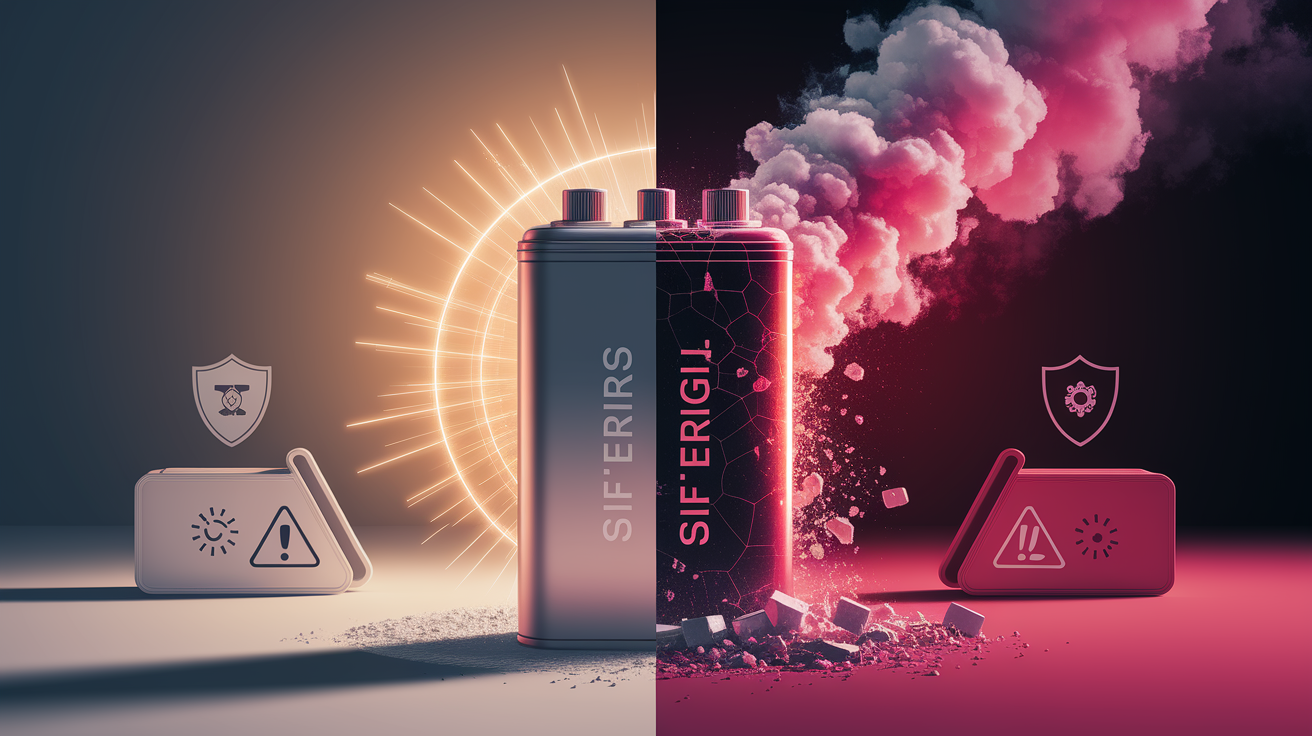
Despite their enhanced safety profile, LiFePO4 batteries are not entirely risk-free. Under certain conditions, they can still experience thermal runaway—a chain reaction where heat from one failing cell triggers neighboring cells to fail, potentially leading to fire or explosion.
According to research on chemical hazards in home battery systems, thermal runaway can be triggered by several factors including mechanical damage, severe overcharging, exposure to extreme temperatures, or internal short circuits.

However, comparative testing shows that LiFePO4 batteries have a lower incidence of visible flames during thermal events compared to nickel manganese cobalt (NMC) alternatives. A recent meta-analysis of gas emissions and flammability hazards found that while LFP batteries may produce fewer flames during failure, they can emit more flammable and toxic off-gases—presenting different but still significant safety concerns.
Chemical Hazards and Toxicity Concerns
LiFePO4 batteries contain several potentially hazardous materials that pose minimal risk under normal operation but can become dangerous if batteries are damaged or experience thermal runaway.
When compromised, these batteries may release toxic fumes including:
- Hydrogen fluoride (HF)
- Hydrogen chloride (HCl)
- Carbon monoxide (CO)
- Various volatile organic compounds
These emissions can cause respiratory issues, eye irritation, and chemical burns upon contact with skin. The Occupational Safety and Health Administration provides specific guidance on chemical hazards associated with lithium-ion battery failures, recommending proper ventilation and personal protective equipment when handling damaged units.
Although LFP batteries generally contain less toxic materials than other lithium-ion formulations, the release of hazardous gases during failure events remains a significant safety concern requiring proper risk management protocols.
Comparative Safety Profile
When evaluating battery safety for solar energy storage, understanding how LiFePO4 compares to alternatives becomes crucial for appropriate technology selection.
LiFePO4 batteries offer several safety advantages over other lithium-ion chemistries:
- Higher thermal runaway threshold (typically 270°C vs. 150°C for NMC)
- Greater structural stability under stress conditions
- Lower risk of spontaneous combustion
- Extended cycle life reducing replacement frequency
However, recent comparative analysis indicates that while LFP batteries experience fewer flame events during thermal runaway, they may produce gases with higher flammability and toxicity than some NMC variants, creating different but noteworthy risk profiles.
“We need to move beyond the simple narrative that LFP batteries are categorically safer,” notes fire safety researcher Dr. James Wilson. “The reality is more nuanced, with different failure modes presenting different hazard types.”
Best Practices for Safe Operation
Maximizing LiFePO4 battery safety requires adherence to established guidelines throughout the battery lifecycle:
Installation Safety
Proper installation significantly reduces long-term risks. Batteries should be:
- Installed in well-ventilated areas away from direct heat sources
- Mounted according to manufacturer specifications
- Connected using appropriate gauge wiring and proper terminations
- Protected from physical impact and water exposure
Operational Guidelines
During regular use, maintaining safe operating conditions is essential:
- Follow manufacturer charging guidelines precisely
- Maintain operation within specified temperature ranges (typically 0-45°C)
- Avoid deep discharges below recommended voltage limits
- Use only compatible charging equipment
- Perform regular visual inspections for damage or swelling
The Franklin Whole Home battery safety research emphasizes that battery management systems must be properly configured to prevent charging outside safe voltage and temperature parameters.
Emergency Response Considerations
Despite preventative measures, emergency situations may arise, requiring appropriate response protocols:
- Disconnect power sources if safe to do so
- Evacuate areas with visible smoke or unusual odors
- Contact emergency services, specifying lithium battery involvement
- Use appropriate fire suppression methods (Class D extinguishers or water in sufficient quantity)
Fire departments increasingly develop specialized procedures for battery emergencies, recognizing the unique challenges posed by lithium chemistry fires.
Conclusion
LiFePO4 batteries represent a significant advancement in energy storage safety, offering greater stability and reduced fire risk compared to many lithium-ion alternatives. Their robust chemistry and integrated protection systems make them increasingly popular for solar energy storage applications where safety is paramount.

However, no battery technology is entirely without risk. Understanding the specific safety profile, potential failure modes, and proper handling procedures for LiFePO4 batteries enables users to maximize their benefits while minimizing potential hazards. As with any energy storage technology, proper installation, monitoring, and adherence to manufacturer guidelines remain essential to ensuring safe, reliable operation.
As renewable energy adoption accelerates, continued research and improved safety standards will further enhance the already strong safety profile of LiFePO4 battery systems, cementing their role in our clean energy future.