

In today’s rapidly evolving technological landscape, proper installation and ongoing maintenance aren’t just operational necessities—they’re strategic investments. Whether for residential solar arrays or commercial power systems, the foundation of performance begins with correct setup and continues through diligent care. This guide explores the critical aspects of both processes, providing practical insights for optimal system operation.
The Core of Installation and Maintenance
Installation and maintenance represent two sides of the same operational coin. Installation establishes the foundation for system functionality, encompassing the careful setup of equipment and infrastructure to ensure safe and efficient operation from day one. Maintenance, meanwhile, involves the ongoing processes of inspection, servicing, repair, and preservation that extend system life and prevent costly failures.
The relationship between these processes is symbiotic—proper installation reduces maintenance needs, while effective maintenance preserves the integrity of the initial installation. Together, they form a continuous cycle that maximizes equipment reliability, operational efficiency, and return on investment.
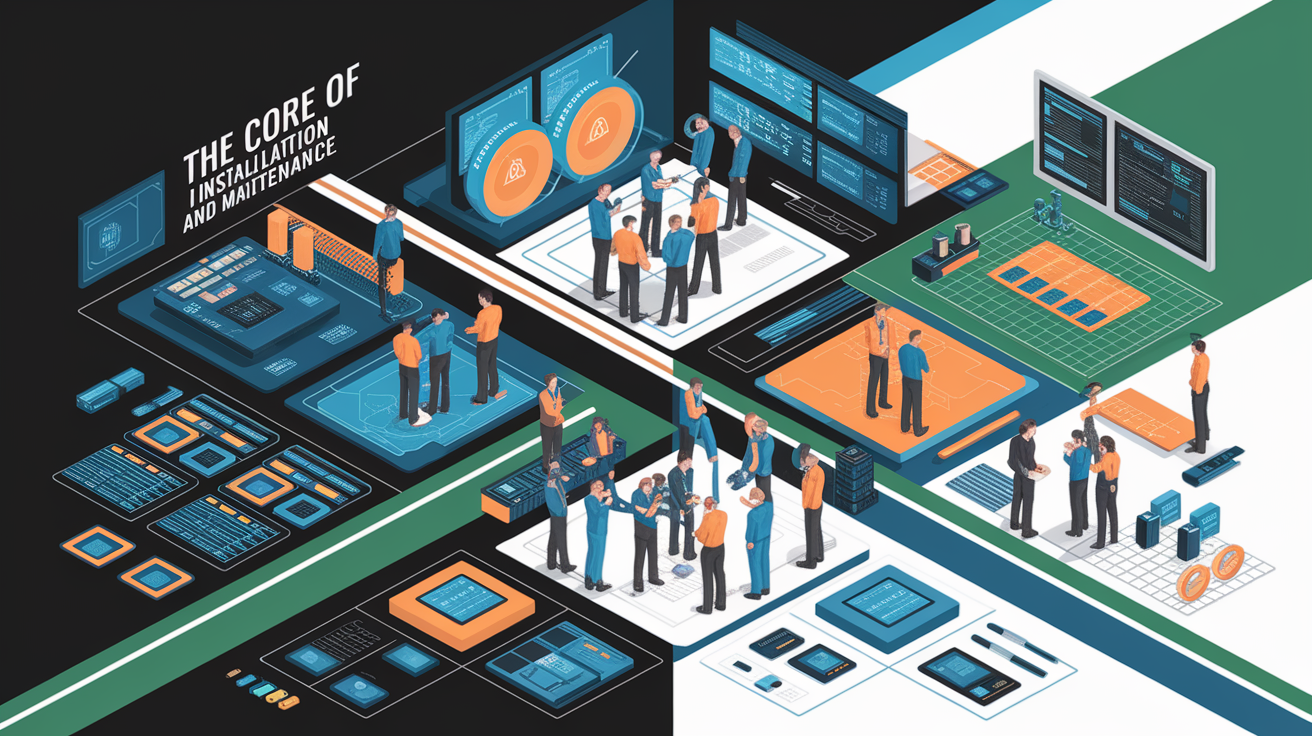
Different systems require specific maintenance approaches:
- Preventive maintenance: Scheduled inspections and servicing to prevent failures before they occur
- Corrective maintenance: Repairs performed after problem detection
- Predictive maintenance: Using data and monitoring to forecast and prevent failures
- Condition-based maintenance: Service determined by actual equipment condition rather than time intervals
For critical systems like electrical installations, the stakes are particularly high. Regular maintenance prevents hazards like electrical fires while ensuring consistent performance and regulatory compliance.
Key Steps in Installation
Successful equipment installation follows a structured process that prioritizes both immediate functionality and long-term performance:
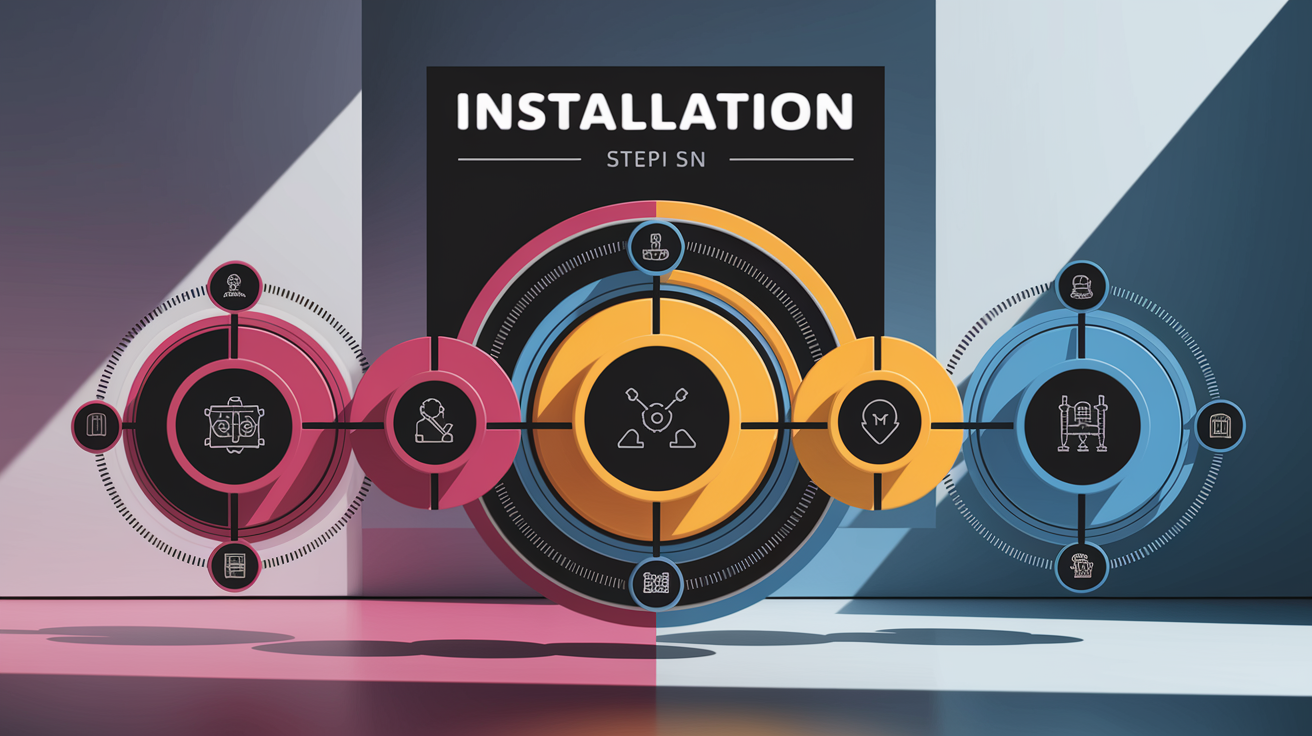
- Site assessment and preparation: Evaluating spatial requirements, structural integrity, and environmental factors
- System design verification: Confirming that specifications meet operational needs and compliance standards
- Component inspection: Checking all parts for damage or defects before installation begins
- Safety protocol implementation: Establishing lockout/tagout procedures and following OSHA standards
- Installation execution: Methodical assembly following manufacturer specifications and industry best practices
- Connection and integration: Proper wiring and interface with existing systems
- Commissioning and testing: Verification of functionality through comprehensive diagnostic testing
- Documentation completion: Recording all installation details, modifications, and baseline performance metrics
Professional installations typically include a final quality control inspection to identify potential issues before system activation. This step often reveals minor adjustments needed to optimize performance, which are far less costly to address during installation than after problems develop.
Maintenance Strategies for Longevity
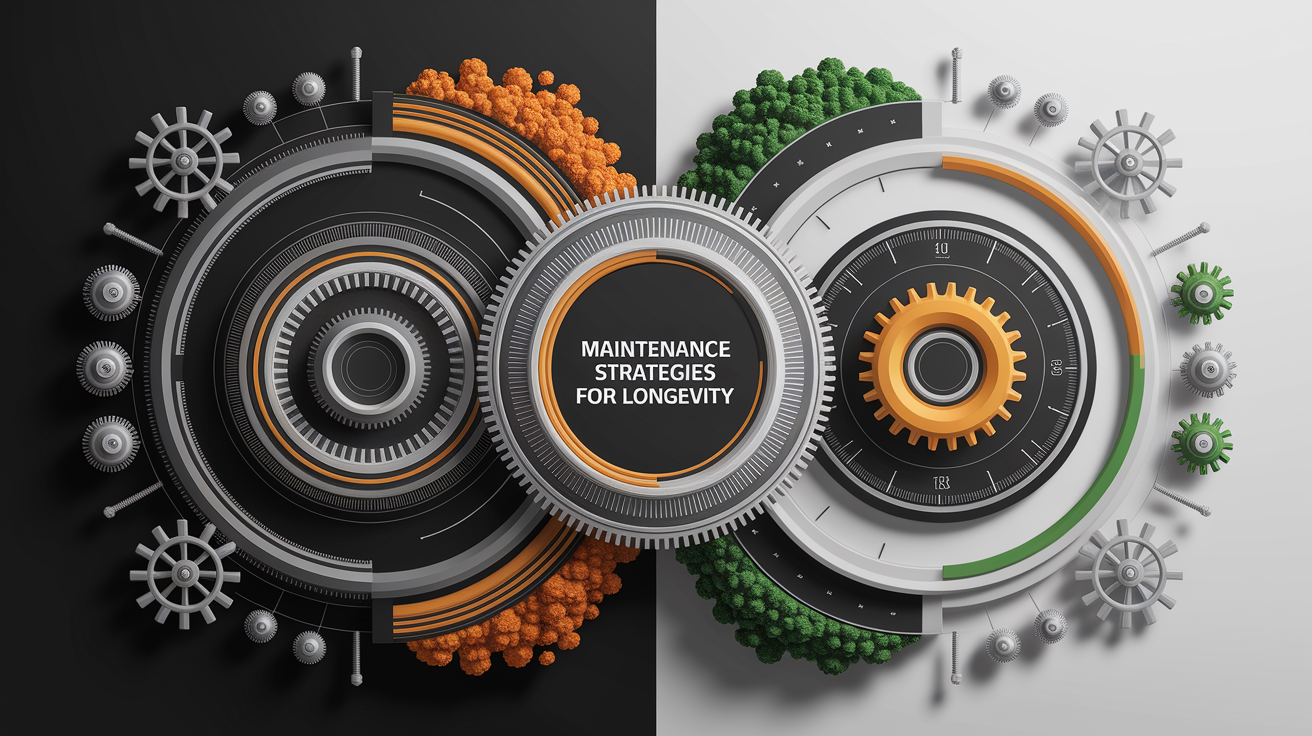
Extending system lifespan requires a strategic approach to maintenance. The different types of maintenance each serve specific purposes and deliver unique benefits:
Preventive Maintenance: The Foundation of Reliability
Scheduled maintenance based on time intervals or usage metrics prevents unexpected failures and extends equipment life. A typical preventive maintenance schedule includes:
- Monthly visual inspections for damage or wear
- Quarterly performance testing and calibration
- Semi-annual cleaning of components and connections
- Annual comprehensive system evaluation and parts replacement as needed
Predictive Maintenance: The Data-Driven Approach
Modern monitoring systems enable condition tracking that identifies potential failures before they occur. Key indicators include:
- Performance trend analysis showing gradual efficiency decline
- Thermal imaging revealing hotspots in connections or components
- Vibration analysis detecting mechanical issues
- Power quality monitoring identifying electrical anomalies
Creating an effective maintenance schedule requires balancing cost, risk, and operational priorities. For critical systems, redundancy and more frequent inspections may be warranted, while secondary systems might follow less intensive maintenance protocols.
Tools and Resources
Effective installation and maintenance rely on appropriate tools and comprehensive information resources. The various maintenance approaches each require specific equipment and documentation:

Essential Physical Tools
- Multimeters and power quality analyzers
- Infrared thermometers and thermal cameras
- Torque wrenches and calibrated hand tools
- Safety equipment including PPE and lockout/tagout devices
- Cleaning supplies appropriate for electronic components
Critical Documentation
- Manufacturer installation guides and maintenance manuals
- System schematics and as-built drawings
- Maintenance checklists and inspection templates
- Service history logs and repair documentation
- Warranty information and service contract details
Digital Tools and Software
- Maintenance scheduling and tracking systems
- Inventory management for replacement parts
- Remote monitoring platforms
- Mobile applications for field technicians
- Documentation management systems
Investment in quality tools and comprehensive documentation pays dividends through improved efficiency, reduced errors, and enhanced system performance over time.
Expert Tips for Success
Industry professionals recognize patterns that lead to installation success and maintenance efficiency. Safety practices and technical expertise form the foundation of these insights:
Installation Excellence
- Prioritize accessibility: Design installations with future maintenance in mind by ensuring adequate service clearances
- Document thoroughly: Record all decisions, modifications, and component details during installation
- Test progressively: Verify each subsystem before proceeding to the next installation phase
- Train operators: Provide comprehensive training for those who will interact with the system daily
Maintenance Mastery
- Monitor key indicators: Track performance metrics to identify subtle changes before they become problems
- Respect environmental factors: Adjust maintenance frequency based on exposure to heat, moisture, and contaminants
- Standardize procedures: Create consistent protocols to ensure all maintenance tasks meet quality standards
- Update documentation: Maintain accurate records of all maintenance activities and observed conditions
When evaluating service technicians, look for industry certifications, manufacturer training, safety credentials, and demonstrated experience with similar systems. The quality of maintenance personnel directly impacts system reliability and longevity.
Your Path to Seamless Operations
Creating a sustainable approach to system management requires integrating installation knowledge with ongoing maintenance planning. The industrial maintenance model offers valuable frameworks applicable to various systems:
Developing Your Maintenance Strategy
Begin by assessing your operational requirements and equipment criticality:
- Identify which components are essential for continuous operation
- Determine acceptable downtime windows for different system elements
- Calculate the cost impact of potential failures
- Evaluate in-house capabilities versus contracted service needs
- Consider both immediate maintenance costs and long-term reliability benefits
When to Call Professionals
While some maintenance tasks can be handled internally, certain situations warrant professional intervention:
- Complex electrical troubleshooting or repairs
- System performance issues without obvious causes
- Major component replacements or upgrades
- Warranty-covered repairs or services
- Specialized diagnostic testing requiring advanced equipment
Regular evaluation of your maintenance approach ensures it evolves with changing system conditions and organizational needs. The most effective programs combine predictive analytics with preventive scheduling and responsive correction when necessary.
By mastering installation fundamentals and implementing strategic maintenance practices, you establish the foundation for reliable operations, extended equipment life, and optimized performance. The investment in proper installation and consistent maintenance delivers returns through reduced downtime, lower repair costs, and enhanced system efficiency—making these practices not just operational necessities but strategic advantages.