
Unlocking the Basics
Solar energy systems represent significant investments that require proper care to maximize return. Understanding the fundamentals of maintenance and troubleshooting is essential for system longevity and performance optimization in renewable energy installations.
Maintenance and troubleshooting work hand-in-hand in solar system management: maintenance keeps equipment functioning at peak efficiency, while troubleshooting addresses inevitable issues that arise despite best preventive efforts. According to industry best practices, this dual approach creates a robust framework for system reliability.
At its core, troubleshooting is a systematic process of identifying, analyzing, and resolving faults when equipment malfunctions. This methodical approach prevents cascading failures that could significantly impact energy production and system integrity.

For solar installations, basic maintenance encompasses:
- Regular panel cleaning to remove production-limiting debris
- Visual inspections for physical damage or degradation
- Connection checks to ensure electrical integrity
- Inverter assessment and monitoring
- Documentation through comprehensive maintenance logs
These foundational practices form the backbone of effective solar system care, answering the common question: “What tools are needed for basic maintenance tasks?” For most routine checks, simple equipment including multimeters, cleaning supplies, inspection cameras, and basic hand tools will suffice.
Proactive Maintenance Strategies
Preventive maintenance represents a strategic investment that delivers measurable returns through extended equipment life and optimized performance. Data shows that properly maintained solar systems can operate at 95-99% efficiency compared to neglected systems that may drop below 80% capacity.
Creating an effective maintenance schedule requires balancing manufacturer recommendations with site-specific conditions:
- Quarterly checks: Visual inspections and basic cleaning
- Bi-annual services: Comprehensive electrical testing and component assessment
- Annual evaluations: Complete system performance analysis and recalibration
Modern maintenance approaches increasingly incorporate Root Cause Analysis (RCA) to address not just symptoms but underlying issues that could affect multiple system components. This approach, central to maintenance troubleshooting, transforms reactive repairs into strategic improvements.

Performance monitoring through dedicated software provides continuous insight into system behavior, allowing for immediate detection of efficiency drops that might indicate emerging issues. This data-driven approach reduces diagnostic time and enables precise, targeted interventions.
Documentation remains critical—comprehensive maintenance logs should record all activities, findings, and corrective actions. These records form an invaluable historical database that informs future maintenance planning and troubleshooting efforts while supporting warranty claims when necessary.
Troubleshooting Techniques
When solar systems underperform or fail, a structured troubleshooting approach delivers faster resolution and more lasting repairs. The five-step process outlined by maintenance experts provides a universal framework applicable to solar installations:
- Problem identification: Gather operator observations and system alerts
- Information collection: Consult system manuals, historical data, and monitoring outputs
- Root cause isolation: Systematically test and eliminate potential causes
- Solution testing: Implement potential fixes individually to verify effectiveness
- Verification: Confirm full system functionality after repairs
This methodical approach transforms complex troubleshooting into manageable steps, reducing system downtime and repair costs while preventing recurring issues.
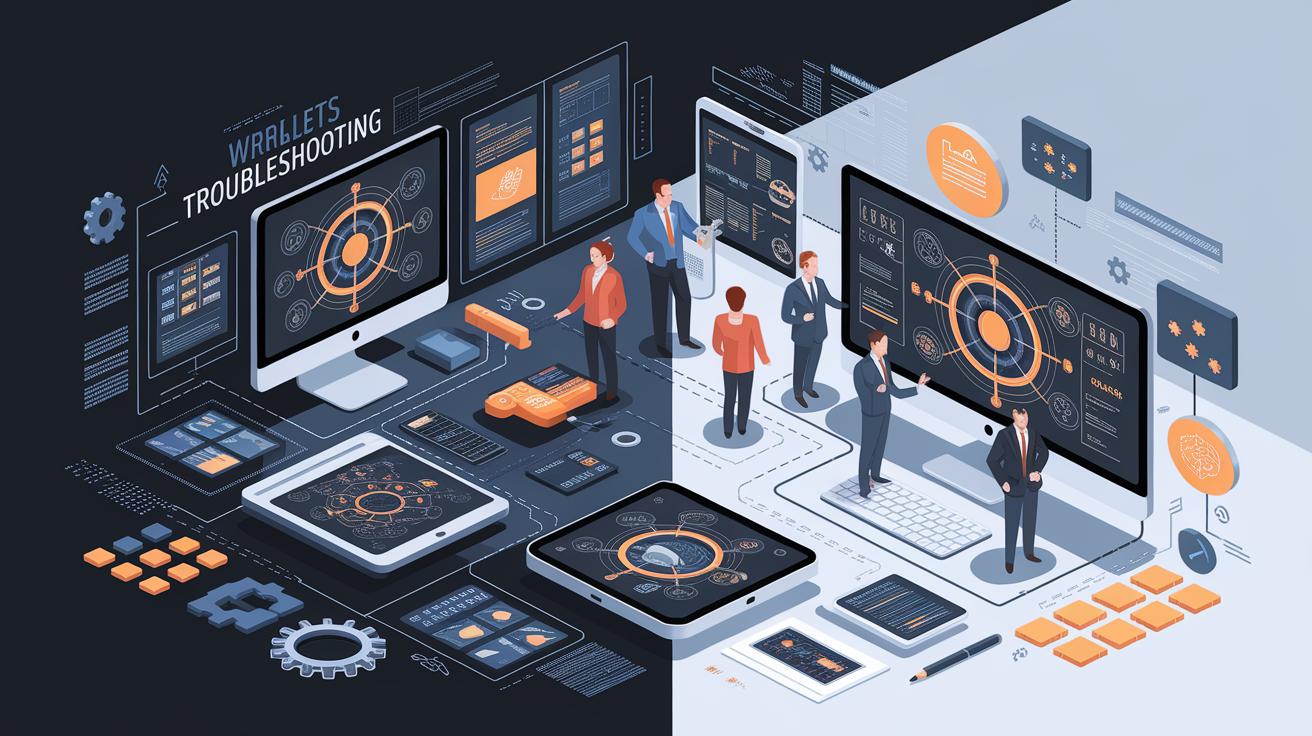
Diagnostic tools have revolutionized solar system troubleshooting. IV curve tracers, thermal imaging cameras, and irradiance meters now allow technicians to detect issues invisible to the human eye, including:
- Micro-cracks in solar cells
- Hotspots indicating connection problems
- String performance anomalies
- Inverter efficiency discrepancies
Error codes from modern inverters provide valuable diagnostic information, but understanding their context remains essential. A comprehensive troubleshooting guide should include common code interpretations alongside systematic verification steps.
Common Challenges and Solutions
Solar installations face predictable challenges that benefit from standardized troubleshooting approaches. Recognizing these patterns allows for faster diagnosis and more effective repairs:
Production Degradation
When output drops gradually without obvious system errors:
- Potential causes: Soiling, shading changes, panel degradation, inverter inefficiency
- Diagnostic approach: Compare string outputs, conduct cleanliness assessment, verify inverter efficiency
- Solution: Targeted cleaning, shade mitigation, component replacement based on specific findings
Sudden System Shutdown
When installations unexpectedly cease production:
- Potential causes: Grid connection issues, inverter faults, safety system activation
- Diagnostic approach: Check error codes, verify grid parameters, inspect physical connections
- Solution: Reset protection devices, address grid compliance issues, repair damaged connections
Communication Failures
When monitoring systems lose connection:
- Potential causes: Network disruptions, gateway failures, software incompatibilities
- Diagnostic approach: Verify network connectivity, check firmware versions, test communication hardware
- Solution: Update firmware, replace communication components, reconfigure network settings
Each of these scenarios benefits from the systematic troubleshooting process outlined earlier, with specific adaptation to solar technology requirements. By collecting failure data across multiple systems, organizations can develop more refined diagnostic approaches and preventive measures.
Future-Proofing Your Systems
The evolution of solar technology demands forward-thinking maintenance strategies that accommodate emerging innovations while addressing existing infrastructure needs. Tomorrow’s maintenance programs will increasingly incorporate:
Predictive Analytics
Modern maintenance software now employs machine learning algorithms to detect subtle performance changes that precede major failures. These systems analyze performance data against historical patterns and weather conditions to distinguish between normal variations and true anomalies, enabling intervention before failures occur.
Remote Diagnostics
Advanced monitoring platforms now provide diagnostic capabilities that reduce site visits by enabling:
- Remote inverter resets and parameter adjustments
- Virtual inspection through high-resolution imaging
- Performance testing across system components
- Over-the-air firmware updates to address software vulnerabilities
Integrated Management Systems
Computerized Maintenance Management Systems (CMMS) specifically designed for solar installations now coordinate:
- Maintenance scheduling based on real-world conditions rather than calendar intervals
- Inventory management for critical replacement parts
- Technician dispatch with comprehensive site history and diagnostic information
- Documentation that meets increasingly stringent compliance requirements
These technological advances transform troubleshooting from a reactive necessity into a strategic advantage, reducing lifetime maintenance costs while improving system reliability and performance consistency.
The Path Forward
Effective maintenance and troubleshooting represent the difference between solar systems that deliver their promised performance and those that underperform throughout their operational life. As installations grow in scale and complexity, systematic approaches to system care become increasingly valuable.
The cost reduction potential of proper maintenance is substantial—studies indicate that preventive maintenance programs typically deliver 12-18% savings compared to reactive approaches, while extending equipment life by 20-40%.
For system owners and operators, the key action items include:
- Implementing structured maintenance programs with clear documentation requirements
- Training personnel in systematic troubleshooting methodologies
- Investing in diagnostic tools appropriate to system scale and complexity
- Leveraging data analytics to transition from preventive to predictive maintenance
By applying these principles consistently, solar energy stakeholders can maximize system uptime, optimize performance, and achieve the financial returns and environmental benefits that make renewable energy such a compelling investment.