

As renewable energy adoption accelerates globally, the strategic integration of battery systems has become a cornerstone of reliable, efficient power infrastructure. This integration represents not just a technical achievement but a fundamental shift in how we generate, store, and utilize energy across residential, commercial, and utility-scale applications.
The Core of Integration
At its foundation, successful battery system integration depends on the harmonious interplay between multiple sophisticated components. Modern Battery Energy Storage Systems (BESS) comprise several critical elements that must work in concert:

- Battery modules – The fundamental energy storage units, typically arranged in scalable configurations
- Battery management systems (BMS) – The intelligence that monitors cell health, voltage, and temperature
- Power conversion systems (PCS) – Equipment that converts DC power from batteries to AC power for grid use and vice versa
- Energy management systems (EMS) – Software that optimizes charging/discharging cycles and energy flow
- Safety systems – Including thermal management and fire suppression technologies
The integration process connects these components with existing power infrastructure through both physical connections and sophisticated control systems. DC coupling, increasingly common in solar+storage installations, connects battery systems directly to solar arrays before the inverter, improving overall system efficiency by reducing conversion losses.
Battery architecture decisions—from cell chemistry to system configuration—fundamentally impact integration success. While lithium-ion batteries currently dominate the market due to their high energy density and falling costs, system designers must carefully match battery characteristics with application requirements.
Benefits of Integrated Battery Systems
The strategic integration of battery storage delivers substantial benefits across multiple domains:
Grid Resilience and Flexibility
Integrated battery systems provide essential grid services including frequency regulation, voltage support, and peak shaving. These capabilities help maintain grid stability while accommodating increasing penetration of variable renewable energy sources. For utilities, this translates to deferred infrastructure investments and improved reliability metrics.
Renewable Energy Optimization
Solar integration with battery storage addresses intermittency challenges by time-shifting energy delivery to match demand patterns. This significantly increases the practical value of renewable generation, allowing solar energy to serve evening peak demand or provide continuous power during cloudy periods.
Economic Advantages
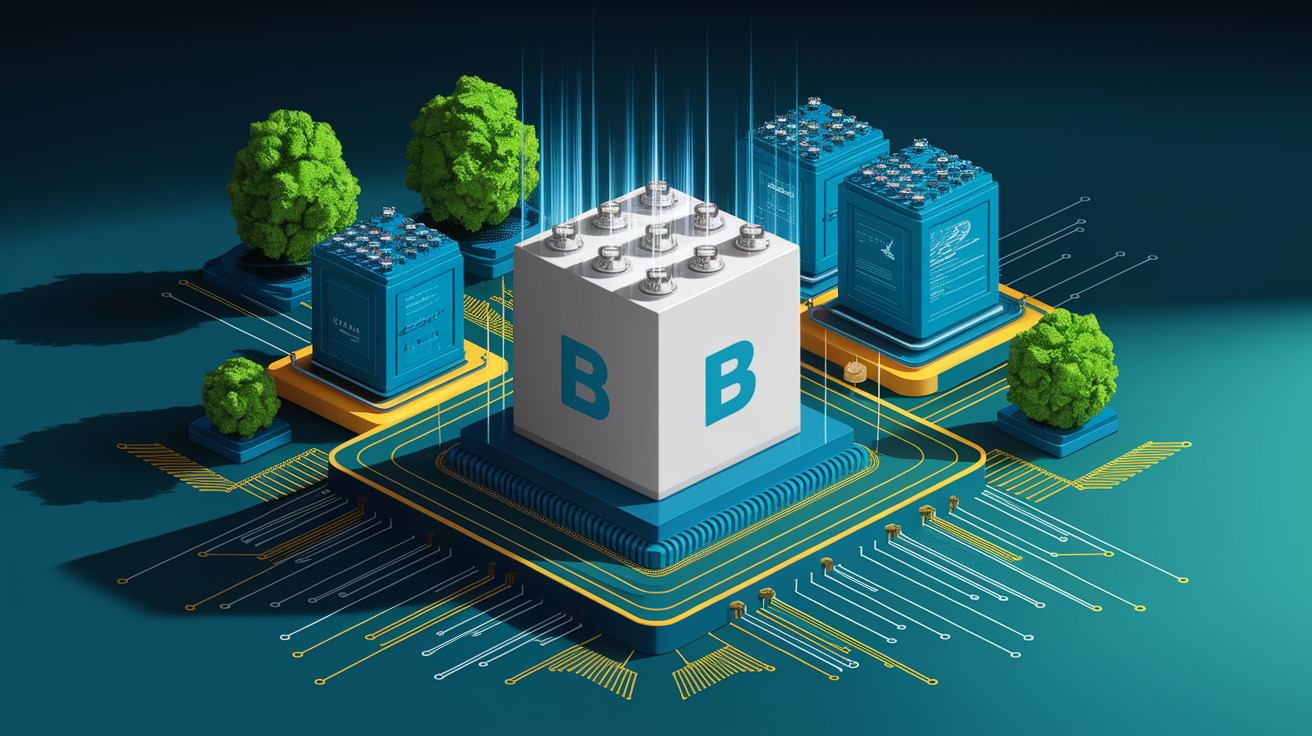
Battery integration enables energy arbitrage—storing energy during low-cost periods and discharging during high-cost periods—creating substantial economic benefits for system owners. Commercial and industrial facilities can reduce demand charges by up to 40% with properly sized and integrated battery systems.
For residential customers, integrated batteries can maximize self-consumption of solar generation, reducing reliance on net metering programs and providing resilience against outages and rate changes.
Backup Power and Resilience
Unlike traditional backup generators, integrated battery systems provide instantaneous power during outages with no noise, emissions, or startup delay. When properly configured, these systems can support critical loads indefinitely when paired with renewable generation, making them ideal for critical infrastructure and remote applications.
Challenges in Integration
Despite their compelling benefits, integrating battery systems presents significant challenges:
Supply Chain Complexities
Supply chain vulnerabilities affect key components including battery cells, semiconductors, and specialized power electronics. Global demand surges, raw material constraints (particularly for lithium, cobalt, and nickel), and geopolitical factors can impact component availability and pricing.
Technical Compatibility
System compatibility remains a persistent challenge, particularly when integrating batteries with existing infrastructure. Voltage matching, communication protocols, and control system coordination require careful engineering. Legacy equipment often lacks the digital capabilities necessary for seamless integration with modern battery management systems.
Safety Considerations
Battery safety protocols must address thermal runaway risks, particularly in lithium-ion systems. Integration design must incorporate adequate thermal management, fire suppression systems, and physical protection. System integrators must navigate evolving safety standards and building codes that vary by jurisdiction.
Economic Barriers
While battery costs continue to decline, integration expenses—including engineering design, power electronics, control systems, and specialized installation—remain significant. Battery system integration costs typically add 20-40% beyond the battery modules themselves, affecting project economics.
Best Practices for Successful Integration
Industry experience has yielded several key practices that significantly improve integration outcomes:
Comprehensive System Design
Successful integration begins with holistic system design that considers all operational requirements and constraints. This includes:
- Detailed load analysis and system sizing
- Compatibility assessment with existing infrastructure
- Clear definition of operational modes and transitions
- Redundancy planning for critical applications
Component Selection and Compatibility
Selecting components designed to work together reduces integration challenges. Modern integrators increasingly favor:

- Pre-certified component combinations
- Open communication protocols
- Scalable, modular designs
- Components with documented integration success
Monitoring and Management
Sophisticated battery monitoring and management systems are essential for optimal performance. Best practices include:
- Continuous monitoring of state of charge (SOC) and state of health (SOH)
- Automated alert systems for anomalies
- Predictive maintenance capabilities
- Remote diagnostics and control
Future-Proofing Strategies
Given the rapid evolution of battery technology, successful integrations incorporate:
- Modular designs that facilitate component replacement
- Software-defined functionality where possible
- Overcapacity in interconnection infrastructure
- Clear upgrade pathways for control systems
Future Trends in Battery System Integration
The battery integration landscape continues to evolve rapidly, with several key trends emerging:
Advanced Battery Chemistries
While lithium-ion batteries currently dominate, integration solutions are expanding to accommodate alternative chemistries including solid-state batteries, sodium-ion, and advanced flow batteries. These technologies offer specific advantages in safety, duration, and resource constraints that will reshape integration approaches.
AI-Driven Integration
Artificial intelligence and machine learning are transforming battery integration by enabling:
- Predictive load management
- Automated system optimization
- Self-diagnosing and self-healing capabilities
- Dynamic response to grid conditions and energy markets
Vehicle-to-Everything Integration
As electric vehicle adoption accelerates, integration between stationary storage systems and mobile batteries (V2G, V2H, V2B) presents new opportunities and challenges. Bidirectional charging infrastructure will enable electric vehicles to function as distributed storage assets, requiring sophisticated integration approaches.
Standardization Progress
Industry standardization efforts are simplifying integration through:
- Common communication protocols
- Standardized connection interfaces
- Unified safety certification processes
- Interoperability requirements
Powering Ahead: The Future of Energy Integration
As battery system integration matures, the boundaries between generation, storage, and consumption continue to blur. Tomorrow’s energy landscape will feature deeply integrated systems where batteries serve as the flexible cornerstone of resilient, renewable-powered infrastructure.
For energy professionals navigating this evolution, focusing on adaptable designs, comprehensive safety protocols, and future-proof technology choices will maximize long-term success. The integration challenges are substantial, but the technical foundations and best practices needed for success are increasingly well established.
The energy transition doesn’t just need more batteries—it needs better integrated battery systems that function seamlessly within increasingly complex and distributed energy ecosystems. As integration expertise grows and technologies mature, we can expect accelerating deployment of these essential systems across all scales of energy infrastructure.