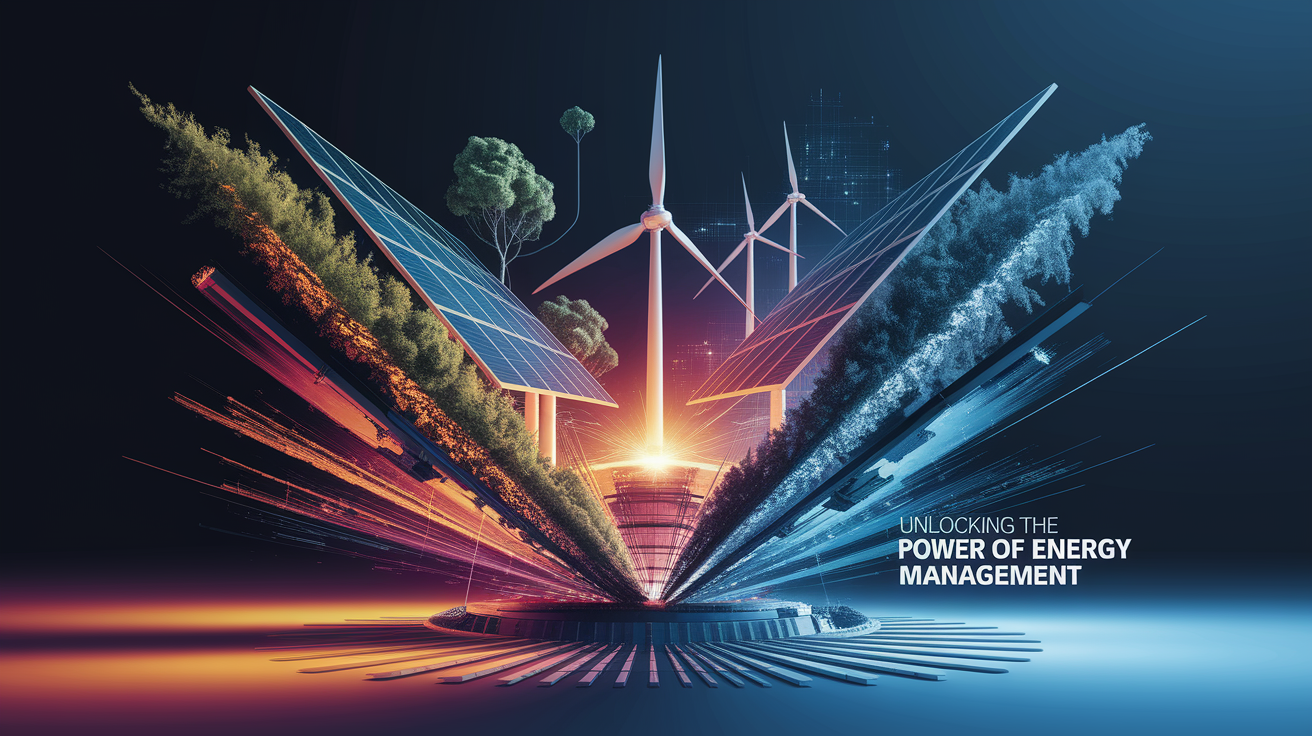
Unlocking the Power of Energy Management
In today’s energy-conscious world, effective energy management has become a competitive advantage for organizations across all sectors. At its core, energy management is the systematic approach to monitoring, controlling, and optimizing energy consumption within organizations or individual operations—going far beyond simple conservation measures.
The scope of modern energy management encompasses everything from initial planning and procurement to the conversion, distribution, and end-use of energy resources. When implemented effectively, a comprehensive approach delivers a powerful trifecta of benefits: significant cost reduction, enhanced operational reliability, and measurable environmental impact.
According to industry standards, well-executed energy management strategies typically deliver 10-30% savings in energy costs without requiring substantial capital investment. These outcomes are particularly crucial as organizations face increasing pressure from stakeholders, regulatory bodies, and consumers to demonstrate environmental responsibility while maintaining competitive operational costs.
The framework for energy management isn’t limited to a single department or function—it integrates across facilities, operations, procurement, and executive decision-making. Many leading organizations are now adopting structured approaches like the ISO 50001 standard, which provides a systematic methodology for continuous energy performance improvement while ensuring compliance with increasingly stringent regulations.
Core Strategies for Effective Energy Management
Successful energy management relies on implementing proven strategies that create measurable impact. Organizations that excel in this area consistently apply several fundamental approaches:
Establish Comprehensive Energy Baselines
Before improvement can begin, you must understand your starting point. Conducting thorough energy audits establishes baseline consumption patterns across all operations, identifying key energy users and potential inefficiencies. These audits reveal opportunities that might otherwise remain hidden in complex systems.
Set Clear, Measurable Targets
The most effective energy management programs establish specific, measurable goals with defined timelines. Rather than vague commitments to “reduce energy use,” successful organizations might target “reducing HVAC energy consumption by 15% within 18 months” or “decreasing peak load demand by 20% by Q3 2024.”
Implement Technological Solutions
Today’s energy management leverages sophisticated technologies that enable precision control:
- Building automation systems that optimize HVAC and lighting based on occupancy and conditions
- Energy monitoring systems providing real-time consumption data
- Smart meters and submeters that identify consumption patterns by department or process
- Energy management software platforms that integrate data streams and provide actionable insights
These technological solutions provide the visibility needed to make informed decisions about energy use across operations.
Adopt Strategic Approaches
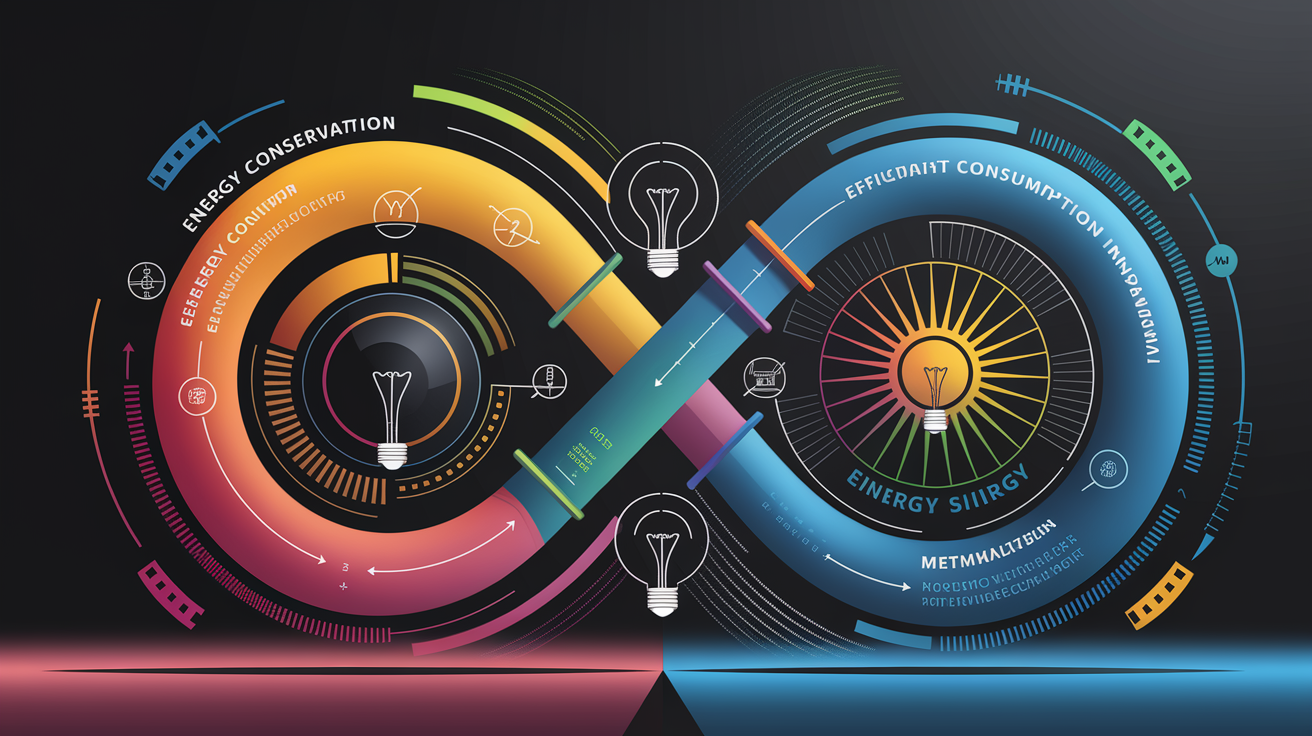
Organizations typically follow one of several strategic pathways in their energy management journey:
- Short-term profit maximization: Focusing on quick-win measures with rapid payback periods, typically under two years
- Long-term profit optimization: Investing in durable infrastructure improvements with extended payback periods but greater overall returns
- Comprehensive integration: Implementing all financially viable energy measures as part of a holistic sustainability strategy
The most successful organizations typically begin with accessible wins to build momentum while simultaneously developing longer-term strategic initiatives.
Measuring and Monitoring Progress
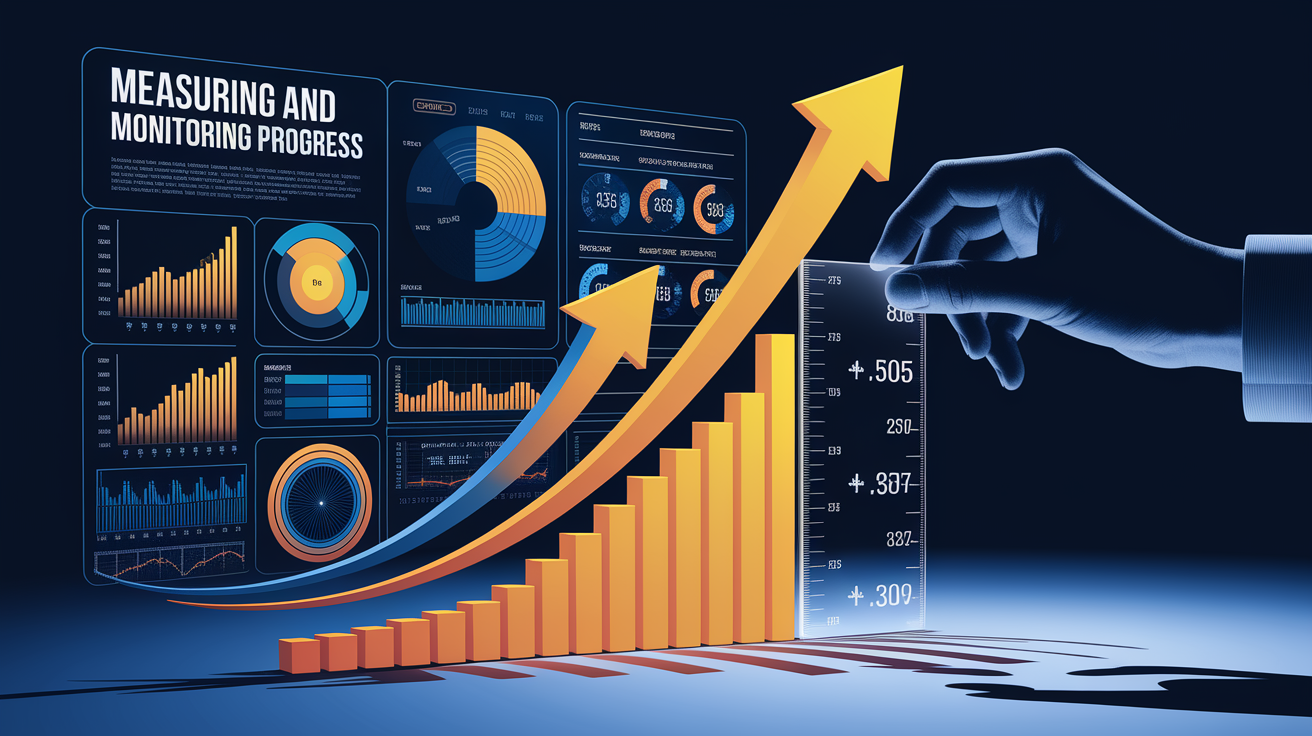
The adage “you can’t manage what you don’t measure” applies particularly well to energy management. Establishing robust monitoring systems and appropriate metrics is essential for determining whether strategies are delivering expected results.
Key Performance Indicators
Effective energy management relies on carefully selected metrics that provide meaningful insight:
- Energy Use Intensity (EUI): Energy consumption per square foot, allowing comparison between facilities regardless of size
- Peak Demand Metrics: Tracking maximum power requirements to identify opportunities for load shifting and demand response
- Energy Cost Index: Tracking energy expenditure per unit of production or service delivery
- Carbon Intensity: Measuring emissions generated per unit of energy consumed
These metrics provide the foundation for continuous improvement, allowing organizations to track progress against established baselines.
Technology-Enabled Monitoring
Modern energy management depends on sophisticated monitoring technologies that provide granular, real-time data on consumption patterns. Advanced energy management systems can:
- Generate automated alerts when consumption patterns deviate from expected parameters
- Provide predictive maintenance recommendations based on equipment performance patterns
- Enable comparison across multiple facilities or operational units
- Integrate with financial systems to provide real-time cost analysis
These capabilities transform energy data into actionable intelligence that drives continuous optimization.
Engaging Stakeholders in Energy Management
Even the most sophisticated technical solutions will fall short without meaningful stakeholder engagement. Successful energy management requires participation from everyone who impacts energy use—from C-suite executives to frontline staff.
Securing Executive Buy-In
Leadership commitment provides the foundation for successful energy management initiatives. Executives must understand both the financial and sustainability benefits of energy management investments. Presenting business cases that demonstrate ROI, competitive advantages, and alignment with corporate sustainability goals can secure the necessary resources and organizational focus.
Creating Cross-Functional Teams
Energy management thrives when it breaks through departmental silos. Creating teams that include facilities management, operations, finance, sustainability, and IT ensures that energy initiatives address multiple organizational priorities and leverage diverse expertise.

Building Organization-Wide Energy Awareness
Small behavioral changes across an organization can deliver substantial collective impact. Effective programs include:
- Training sessions that help employees understand their role in energy conservation
- Recognition programs that celebrate energy-saving innovations
- Regular communication about progress toward energy goals
- Visual dashboards in common areas showing real-time energy performance
These engagement strategies transform energy management from a technical initiative to an organizational value that influences daily decision-making.
The Future of Energy Management
As technology evolves and energy markets transform, energy management strategies continue to advance in sophistication and impact. Several trends are reshaping how organizations approach energy management:
Integration with Distributed Energy Resources
The next generation of energy management will increasingly focus on integrating on-site renewable energy generation, energy storage systems, and smart grid interactions. These integrated systems allow organizations to optimize energy procurement, minimize demand charges, and potentially generate revenue through grid services.
AI-Powered Optimization
Artificial intelligence is transforming energy management by enabling:
- Predictive analytics that forecast energy demands based on multiple variables
- Automated system optimization that continuously adjusts settings for maximum efficiency
- Anomaly detection that identifies inefficiencies human operators might miss
- Scenario planning that simulates the impact of potential energy investments
These capabilities take energy management beyond human capacity for data processing and pattern recognition.
Blockchain and Energy Transactions
Emerging blockchain technologies are enabling new models for energy procurement, allowing peer-to-peer energy trading and transparent certification of renewable energy attributes. These technologies could fundamentally transform how organizations source and manage their energy portfolios.
Energize Your Efficiency Journey
Implementing effective energy management isn’t a one-time project but an ongoing journey of continuous improvement. Organizations ready to advance their energy performance should:
- Begin with a comprehensive energy audit to establish baseline performance and identify opportunities
- Develop a structured energy management plan with clear targets, responsibilities, and timelines
- Invest in appropriate monitoring technologies that provide actionable data
- Consider pursuing ISO 50001 certification to formalize energy management practices
- Engage employees at all levels in identifying and implementing energy-saving opportunities
The organizations that thrive in tomorrow’s energy landscape will be those that view energy not simply as a cost center but as a strategic resource to be optimized, managed, and leveraged for competitive advantage. By implementing comprehensive energy management strategies today, you position your organization for both immediate savings and long-term resilience in an increasingly energy-conscious world.