Cold storage — the backbone of global food supply chains and pharmaceutical logistics — has long been an energy-intensive operation. Now, a new generation of solar-integrated cold storage units is rewriting the rules on efficiency, cost savings, and sustainability. By embedding photovoltaic (PV) panels directly into refrigerated shipping containers, operators can dramatically reduce electricity consumption without compromising temperature control.
Solar Integration Delivers Immediate Impact
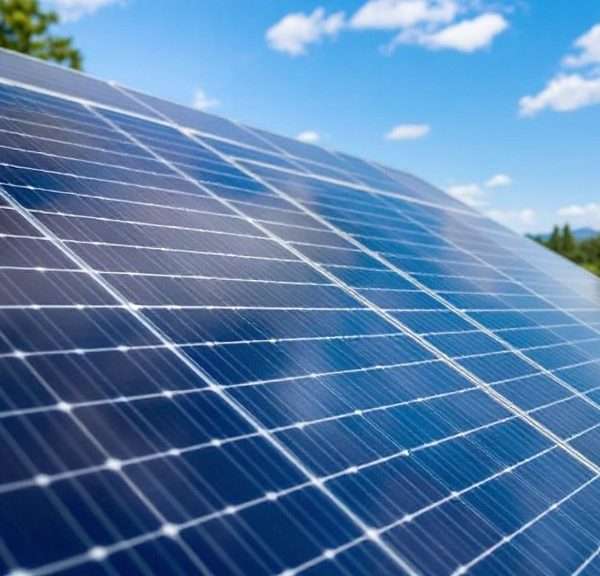
According to pv magazine, Denmark-based Titan Containers has unveiled its ArcticStore Horizon series, which achieves up to 55% energy savings compared to conventional refrigerated containers. The design incorporates high-output PV modules into standard 20-foot and 40-foot container formats, generating as much as 5.3 kW from nine 595 W Sunrev panels on the larger unit. The system’s inverters, supplied by Hoymiles, are available in single- or three-phase configurations to suit varied operational environments.
This solar generation is not a token gesture — it offsets roughly 25% of grid power needs outright. The remaining gains come from advanced thermal insulation, meaning the energy footprint drops dramatically without sacrificing performance in maintaining temperatures from -30°C to +30°C.
Advanced Insulation: The Unsung Efficiency Hero
While solar PV grabs headlines, insulation technology is equally transformative. Titan’s ArcticStore Horizon units employ vacuum insulation panels (VIPs), which reduce heat transfer far more effectively than conventional foam. This accounts for an additional 30% reduction in energy use, as noted in AZoCleantech’s coverage of sustainable materials. Lower thermal ingress means refrigeration compressors run less frequently, extending equipment life and cutting operational costs.
Smart Systems Maximize Energy Management
Energy savings are amplified by intelligent control systems. Titan’s SmartArctic platform provides real-time, remote monitoring from any connected device, allowing operators to fine-tune performance from anywhere. The system seamlessly switches between solar and grid power based on availability, and, where regulations permit, can feed surplus solar generation back to the grid. This approach ensures optimal energy use even during fluctuating solar conditions or unexpected grid outages — a critical advantage for temperature-sensitive pharmaceuticals and high-value perishables.
Environmental Gains Beyond Energy
The environmental benefits extend beyond reduced electricity demand. Titan employs R1234yf refrigerant, which has a global warming potential (GWP) of just 0.5 — a stark contrast to the 2,140 GWP of standard refrigerants. The units also use water-based paints instead of oil-based coatings, reducing volatile organic compound (VOC) emissions and improving workplace safety.
Industry Context: Meeting Explosive Demand
The growth trajectory of cold storage is steep, with global capacity expanding 10–20% annually due to surging e-commerce, grocery delivery, and biopharmaceutical needs. Complex therapies, such as cell and gene treatments, demand ultra-low, precisely maintained temperatures over long supply chains. Integrating solar and advanced insulation directly into storage units offers a scalable solution to meet this demand sustainably and cost-effectively.
Looking Ahead: Potential for Battery Integration
While the current ArcticStore Horizon models lack on-board battery storage, Titan has indicated that it is exploring this option. Pairing solar generation with energy storage could enable complete off-grid operation for certain applications, further enhancing resilience and reducing reliance on fossil-fuel-derived grid electricity.
Actionable Insights for Operators
- Evaluate energy-intensive processes: Cold storage operators can slash costs by adopting solar-integrated units.
- Invest in insulation upgrades: Advanced materials like VIPs deliver substantial efficiency gains.
- Leverage smart monitoring: Remote control platforms enhance reliability, reduce waste, and optimize performance.
- Consider environmental credentials: Low-GWP refrigerants and eco-friendly materials improve sustainability profiles and regulatory compliance.
As renewable integration evolves, built-in solar PV for cold storage is shifting from a niche innovation to a mainstream operational strategy. For operators balancing cost control, environmental responsibility, and supply chain reliability, this technology offers a clear path forward.