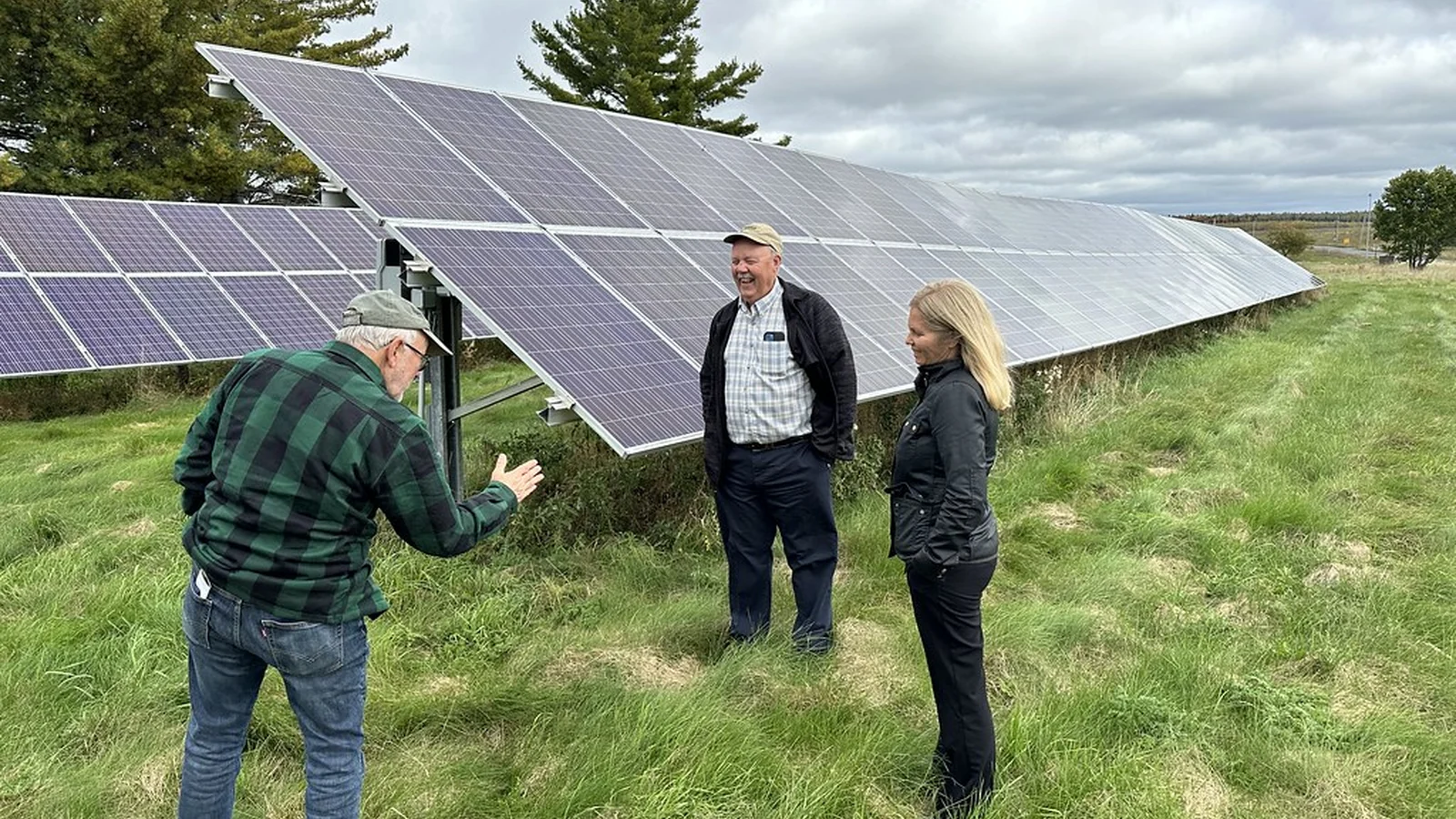
The transition to renewable energy presents unprecedented opportunities for rural communities, where open landscapes offer ideal conditions for solar power generation. Yet despite declining costs of photovoltaic technology and growing energy demands, rural areas face unique challenges in solar adoption. These challenges require tailored solutions that address not only technical and financial barriers but also community concerns and infrastructure limitations.
The Core Challenge
Rural communities find themselves at a crossroads where clean energy potential meets agricultural preservation concerns. According to modeling by the American Farmland Trust, approximately 83% of projected solar development will occur on agricultural land, with nearly half directly impacting rural development. This presents a fundamental tension between renewable energy goals and preserving agricultural heritage.

This tension manifests in project delays and community resistance. Between 2008 and 2021, concerns over nonmonetary impacts of solar energy leases—particularly the conversion of agricultural land to industrial use—contributed to delays or cancellations in 82% of utility-scale renewable energy projects. These objections reflect deeper worries about permanent changes to the landscape and rural character of these regions.
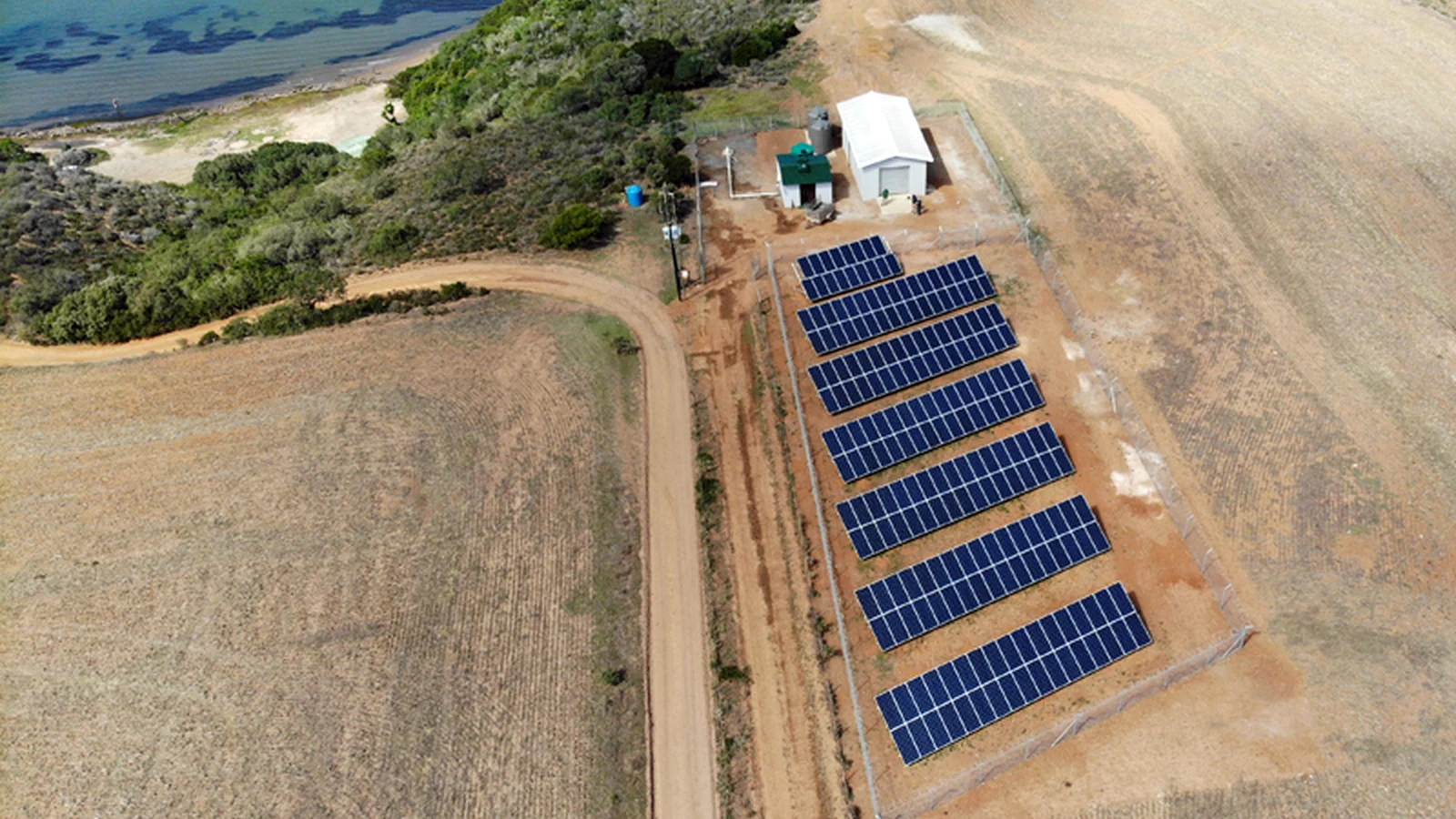
Innovative approaches like agrivoltaics are emerging as promising compromises. This dual-use strategy combines solar production with productive agriculture, as demonstrated by the Ohio Power Siting Board’s approval of America’s largest agrivoltaic project—a 6,050-acre installation that incorporates sheep farming and crop production alongside solar generation. Such solutions address the core challenge by maintaining agricultural productivity while enabling clean energy production.
Overcoming Infrastructure Barriers
Perhaps the most significant technical hurdle for rural solar adoption is inadequate transmission infrastructure. The existing power grid was designed for centralized, consistent energy production—not the distributed, intermittent nature of solar energy. This mismatch creates substantial reliability and integration challenges.
The scale of this issue is evident in current statistics: as of March 2024, the Southwest Power Pool had 31,726 MW of solar energy in generator interconnection requests awaiting study. This backlog represents thousands of potential rural solar projects in limbo.
Building new transmission infrastructure is painfully slow, typically taking between three and nine years from initial planning to completion. This timeline includes:

- Planning studies and system impact assessments
- Transmission owner selection and regulatory approvals
- Design and engineering specifications
- Right-of-way acquisition (often the most contentious phase)
- Construction and commissioning
The National Renewable Energy Laboratory (NREL) has developed innovative approaches to manage interconnection costs for distribution system-connected photovoltaic systems, particularly those not co-located with existing load. These analytical methodologies can help identify alternative operational parameters that mitigate technical violations on utility feeders without requiring costly grid upgrades.
As emerging technologies like artificial intelligence data centers dramatically increase energy demand, modernizing rural transmission infrastructure becomes not just an environmental priority but an economic necessity for rural communities wishing to participate in the clean energy transition.
Financial Solutions for Solar Adoption
The economics of rural solar implementation present significant barriers, particularly in developing regions. High upfront costs, limited access to financing mechanisms, and inadequate maintenance services create a perfect storm that inhibits widespread adoption.
In regions like South Africa, cost concerns combine with a shortage of experienced labor for construction and maintenance of solar installations. This skills gap further complicates the financial equation for potential adopters. Similarly, in India’s Rajasthan region, despite government policies including subsidies and loan schemes, experts identify the need for more comprehensive financial approaches.

Effective financial solutions must be multifaceted:
- Innovative financing models: Pay-as-you-go systems, microloans, and community-based financing pools can help overcome prohibitive upfront costs
- Equipment leasing programs: These reduce initial investment requirements while ensuring proper maintenance
- Net metering arrangements: Allow rural producers to offset costs by selling excess power back to the grid
- Bundled services: Combining financing, installation, and maintenance services reduces overall costs through economies of scale
Research from comprehensive studies of the Global South indicates that successful financial models must consider both the immediate affordability and long-term sustainability of rural solar projects. When financing mechanisms include provisions for technical support and maintenance, adoption rates and system longevity improve dramatically.
Education and Awareness Initiatives
Technical feasibility and financial solutions alone cannot drive rural solar adoption without addressing the knowledge gap. Educational initiatives must target multiple stakeholders with tailored approaches.
Evidence shows that “bottom-up” solar siting processes driven by community residents and municipal officials achieve significantly better outcomes than top-down approaches. When rural communities understand both the technology and its benefits, resistance decreases and local champions emerge.

Effective awareness programs include:
- Technical training programs: Building local capacity for installation and maintenance creates sustainable skills within communities
- Demonstration projects: Visible, successful installations provide tangible evidence of solar viability
- Peer-to-peer learning networks: Connecting early adopters with potential users builds trust and shares practical insights
- Community energy literacy: Basic education about energy production, consumption, and economics helps residents make informed decisions
According to NREL research, municipalities implementing solar adoption strategies benefit greatly from toolkits and guides that help evaluate local resource assessments, infrastructure capabilities, and financing mechanisms tailored to rural contexts. These resources bridge the gap between technical possibility and practical implementation.
Policy and Government Support
Government policy frameworks create the environment in which rural solar adoption either thrives or stagnates. Effective policies balance multiple objectives: encouraging renewable energy development, protecting agricultural interests, ensuring grid reliability, and maximizing community benefits.
Electric cooperatives represent particularly promising vehicles for rural solar deployment. As community-owned entities inherently aligned with local interests, they can develop solar projects that prioritize member benefits rather than external investor returns. This ownership model addresses many concerns about “extractive” development that takes resources from rural areas without providing comparable benefits.
Policy mechanisms that have proven effective include:
- Streamlined permitting: Reducing bureaucratic obstacles for small and medium-scale installations
- Agricultural land protection provisions: Guidelines ensuring solar development complements rather than replaces productive farmland
- Rural-specific incentives: Targeted support recognizing the unique challenges and opportunities in non-urban areas
- Grid modernization funding: Public investment in transmission infrastructure to enable renewable integration
- Technical assistance programs: Government-supported expertise for planning and implementation
When policies address both economic and non-economic concerns, they create pathways for solar adoption that respect rural communities’ values while advancing clean energy goals.
A Brighter Future
The challenges facing rural solar adoption are substantial but not insurmountable. The convergence of improving technology, innovative financial models, community engagement strategies, and supportive policies creates a foundation for transformative change.
Rural communities that successfully navigate these challenges stand to benefit in multiple ways: energy independence, new revenue streams, local job creation, and environmental sustainability. The path forward requires collaboration between technology providers, financial institutions, community leaders, and policymakers—with rural residents themselves at the center of decision-making.
As we look toward a future powered increasingly by renewable energy, rural areas have the potential to transition from energy consumers to energy producers. By addressing the unique challenges of rural solar adoption with thoughtful, integrated approaches, we can ensure this transition creates lasting value for the communities at its heart.