Industry Pushes for Greater Long-Duration Energy Storage to Safeguard Renewable Ambitions
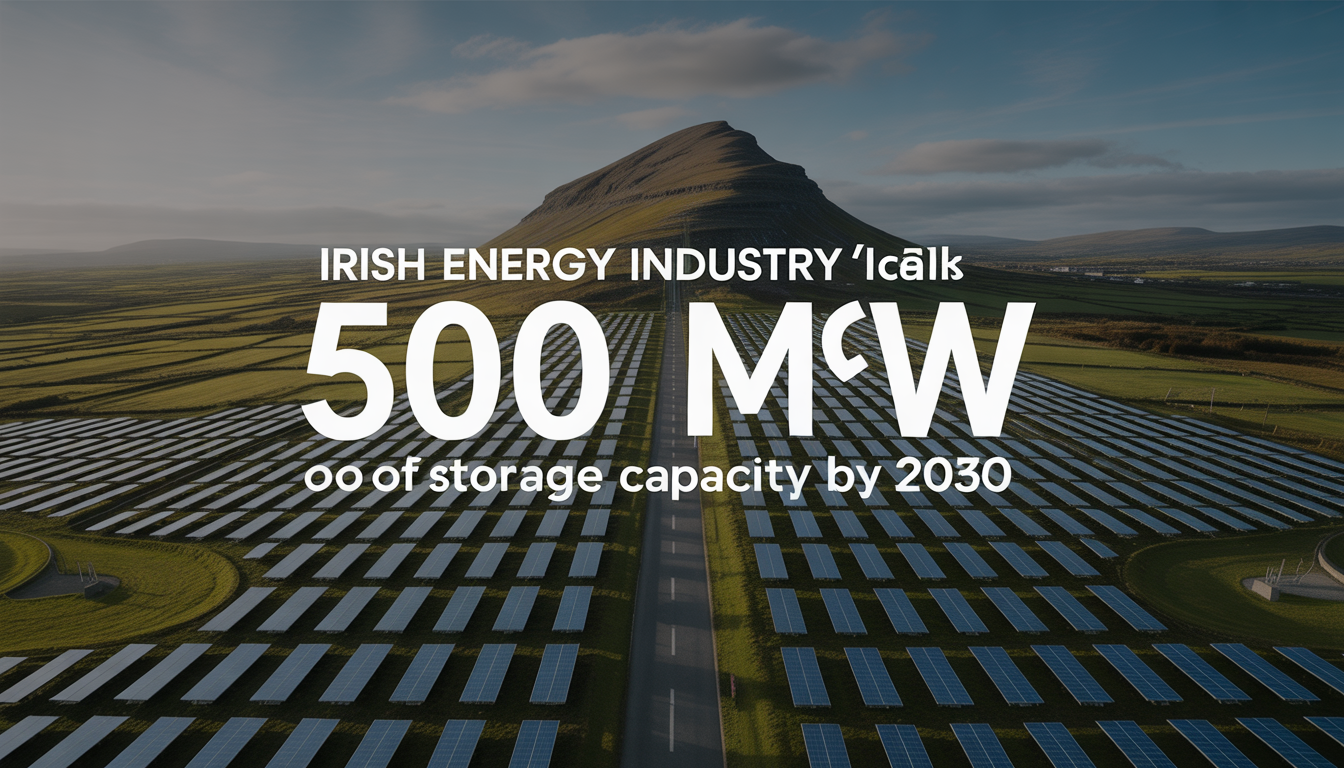
Ireland’s renewable energy sector is sounding the alarm: without significant investment in long-duration energy storage (LDES), the country risks falling short of its ambitious climate and clean power targets. According to recent reports, industry advocates are urging the government and national grid operator EirGrid to deliver at least 500 MW of LDES capacity by 2030 — a figure they argue should be treated as the bare minimum.
This push comes as part of Ireland’s commitment under the Climate Action Plan 2021, which calls for a 75% reduction in power sector carbon emissions and 80% renewable electricity generation by the end of the decade. With deployment of large-scale wind and solar accelerating, the ability to store and dispatch energy when needed will be critical to ensure grid stability and prevent renewable curtailment.
Why Long-Duration Energy Storage Matters
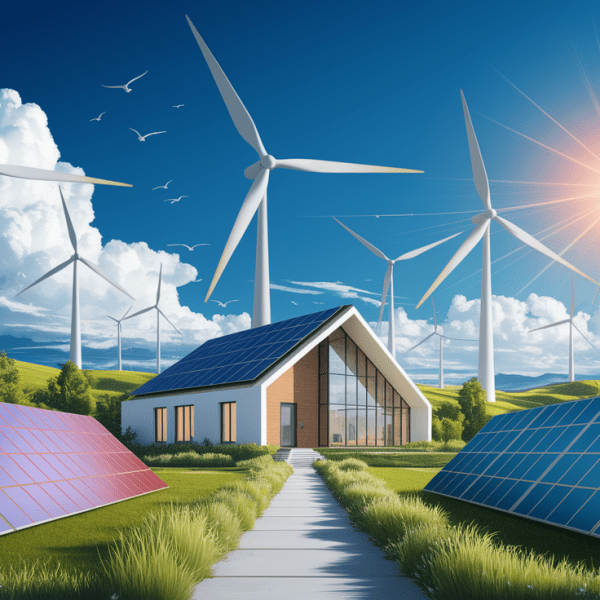
LDES refers to technologies that can discharge power for four hours or more — a capability that distinguishes them from short-duration battery systems. As Ireland ramps up renewable generation to include 9 GW of onshore wind, 5 GW offshore wind, and 8 GW solar capacity by 2030, the grid will increasingly face periods of surplus generation followed by sharp drops in supply.
By storing excess energy during low-demand periods and releasing it during peak demand or low-generation intervals, LDES reduces waste, stabilizes the grid, and enables deeper renewable penetration. EirGrid’s own modelling suggests that several gigawatts of storage could cut system generation costs by billions while dramatically lowering curtailment rates — a direct win for both consumers and the climate.
Policy Framework and Procurement Challenges
The Irish Government’s Electricity Storage Policy Framework outlines ten key actions to integrate storage into the national grid, from market incentives to ensuring storage operators have access to wholesale electricity markets. Crucially, the framework sets a target of 500 MW of LDES by 2030, with a route-to-market mechanism expected by 2028.
However, EirGrid’s initial consultation in October proposed procuring just 201 MW. According to Pinsent Masons, industry leaders — including Energy Storage Ireland CEO Bobby Smith — welcomed the move but stressed the need for far greater capacity to meet long-term system requirements. For a grid facing rapidly rising renewable penetration, 201 MW is viewed as a cautious first step, not a destination.
Projected Market Growth: Batteries Leading the Charge
Analysts forecast Ireland’s battery storage capacity could soar from 2.7 GWh in 2025 to 13.5 GWh by 2030, representing a fivefold increase. This surge will be driven by the urgent need to smooth supply-demand fluctuations and integrate intermittent renewables at scale. While lithium-ion batteries will dominate early deployments, the policy’s technology-neutral stance keeps the door open for pumped hydro, compressed air, and emerging storage innovations.
Advanced technologies such as grid-forming inverters and AI-driven energy management — seen in new solutions like Huawei’s FusionSolar 9.0 — promise to enhance system resilience and operational efficiency. These capabilities will be particularly important for LDES assets, enabling them to provide not only energy shifting but also critical grid services such as frequency regulation and black start capabilities.
Beyond 500 MW: Setting the Stage for 2040
While the 500 MW target is politically significant, experts caution that Ireland’s decarbonization trajectory will demand far more by the 2040s. Scaling up storage will require coordinated action across procurement processes, market design, and infrastructure investment. The industry’s message is clear: treat the 500 MW goal as a launchpad, not a ceiling.
Key Takeaways for Stakeholders
- 500 MW of LDES is essential to meet 2030 renewable targets but should be viewed as a starting point.
- Market frameworks and procurement volumes must grow in tandem with renewable deployment.
- Technology-neutral policies encourage innovation and diversification of storage solutions.
- Advanced control technologies will be critical to maximizing the value of LDES assets.
Looking Ahead
With the clock ticking toward 2030, Ireland’s energy storage roadmap will play a central role in its renewable transition. The question now is whether policymakers and grid operators can accelerate deployment fast enough to match the pace of renewable expansion. For battery enthusiasts and clean energy advocates alike, the coming years will be a defining test of Ireland’s ability to turn ambition into infrastructure — and infrastructure into sustainable power.