Revolutionizing Energy Delivery from Space
In a remarkable leap toward the future of energy transmission, Overview Energy, a U.S.-based startup, has successfully demonstrated the world’s first wireless power transmission system in motion. Conducted from a moving aircraft to a ground receiver situated five kilometers below, this test not only showcases the potential of space-based solar power (SBSP) but also marks a critical milestone in the quest for clean, reliable energy.
The Promise of Space-Based Solar Power
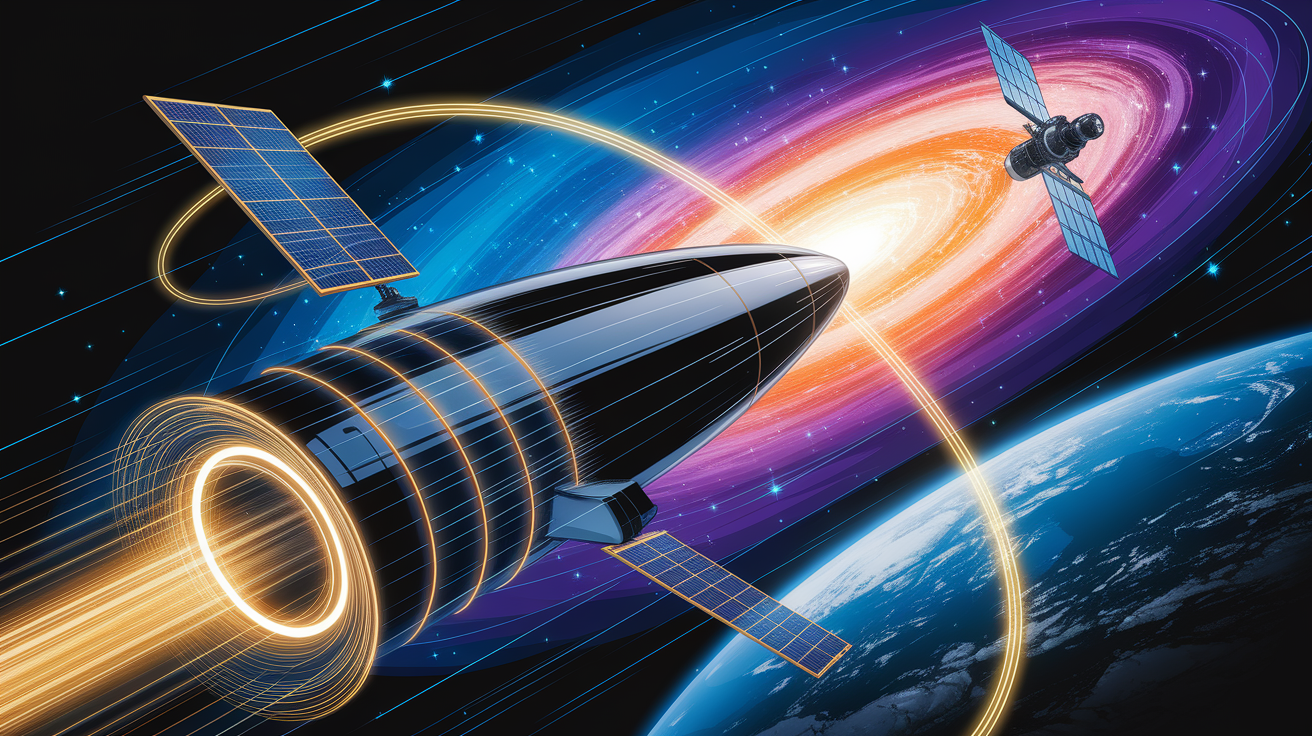
Space-Based Solar Power (SBSP) harnesses solar energy collected by satellites in geosynchronous orbit, allowing for uninterrupted energy generation regardless of terrestrial weather conditions or day-night cycles. Unlike traditional solar power systems that are limited by local environmental factors, SBSP has the potential to provide a continuous energy supply. According to experts, this technology could serve as a complementary or alternative energy source, especially in regions facing energy instability.
Overview Energy’s Technological Breakthrough
Founded in 2022, Overview Energy has been at the forefront of developing a wireless energy transmission system that utilizes low-intensity near-infrared laser light. This specific wavelength is already well-established in fields like fiber optics and medical imaging, ensuring safety and efficiency in power delivery. The successful airborne demonstration reinforces the viability of their system for future applications in space.
Key Features of the Wireless Power Transmission System
- High-Power Capability: The system has been validated in laboratory conditions at thousands of watts, proving its scalability.
- Dynamic Power Allocation: The system will be able to adjust power delivery based on real-time demand across multiple continents.
- Integration with Existing Infrastructure: Overview Energy’s design allows for the use of existing solar farms as receivers, minimizing land use.
Industry Context and Competitive Landscape
The space solar power industry is gaining momentum, with numerous startups and research institutions exploring various methodologies. Companies such as Star Catcher and Caltech’s Space Solar Power Project are also making strides in wireless power beaming, using techniques that range from microwave transmission to optical power beaming. However, Overview Energy sets itself apart by targeting geosynchronous orbit and focusing on practical applications that align with current energy demands.
Future Prospects and Challenges Ahead
The promise of space solar power extends beyond merely providing clean energy. It could redefine energy distribution as we know it, addressing increasing global electricity demand without the constraints of land use and intermittency that plague ground-based systems. Overview Energy plans to conduct a low Earth orbit demonstration in 2028, with commercial operations expected to start by 2030. However, several challenges remain:
- Technical Hurdles: Efficient energy conversion and beam control must be perfected for long-distance transmission.
- Economic Viability: High launch costs and the need for international cooperation will be critical for commercial success.
- Regulatory Framework: Establishing a clear framework for space-to-Earth energy transmission is essential for widespread adoption.
Conclusion: A New Era of Clean Energy Awaits
Overview Energy’s successful test paves the way for a new era in renewable energy. As the world grapples with pressing energy demands and climate change, the potential of space solar power could offer a sustainable solution. If successful, Overview’s ambitious plans could lead to a future where clean energy is not only abundant but also accessible worldwide.