
Unveiling Advanced Solar Thermal Collectors
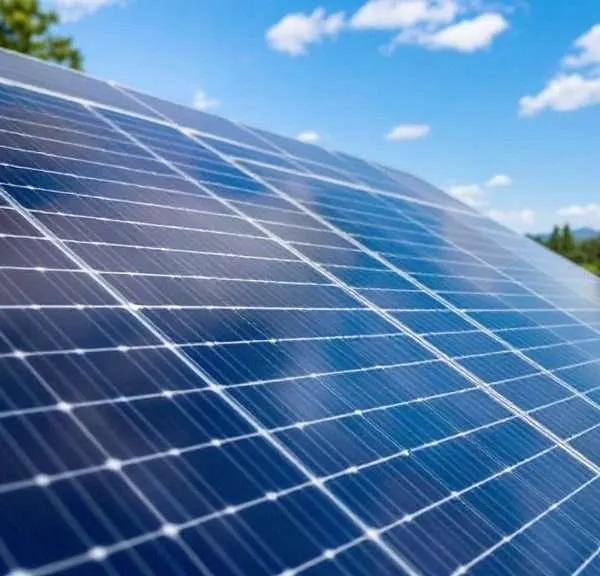
Advanced solar thermal collectors represent the cutting edge of renewable heat technology, engineered to capture and convert solar radiation with unprecedented efficiency and versatility. Unlike conventional solar PV systems that generate electricity directly, these sophisticated thermal systems transform sunlight into usable heat at elevated temperatures—creating new possibilities for both residential and industrial applications.
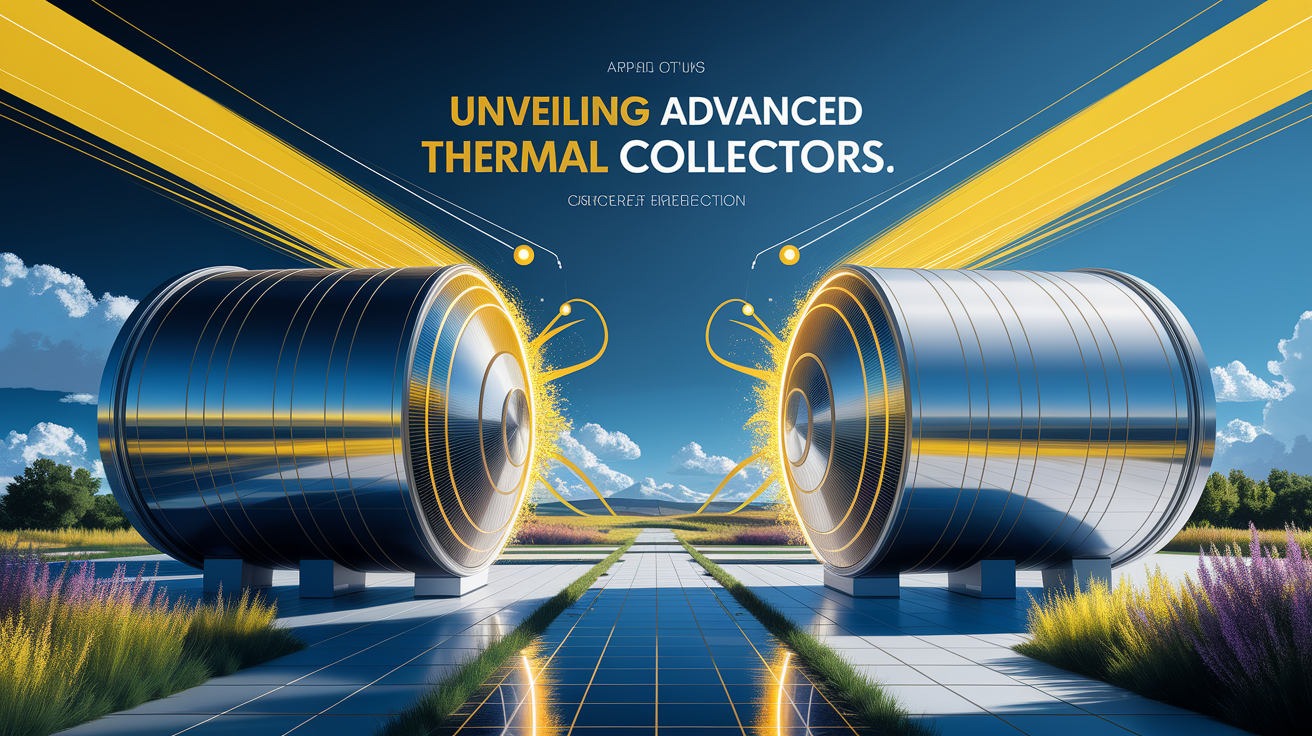
At their core, advanced solar thermal collectors are defined by their enhanced performance characteristics: improved efficiency, higher operating temperatures, better controls, and seamless integration capabilities compared to traditional systems. According to the U.S. Energy Information Administration, these systems encompass everything from enhanced flat-plate designs for residential use to utility-scale concentrating solar thermal (CST) technologies capable of generating temperatures exceeding 1000°C.
What distinguishes today’s advanced collectors from previous generations is their implementation of breakthrough materials science, optical engineering, and control systems. Modern designs incorporate selective absorber coatings, vacuum insulation, AI-based tracking, and integrated thermal storage—innovations that collectively expand the practical applications of solar thermal technology across sectors previously dependent on fossil fuels.
Key Technologies in Advanced Solar Collectors
The landscape of advanced solar thermal collectors includes several distinct technologies, each optimized for specific temperature ranges and applications:

Non-Concentrating Collectors
- Advanced Flat-Plate Collectors: Building upon traditional designs, these incorporate transparent insulation materials and specialized selective coatings to reduce heat loss while maintaining high absorption rates. These improvements allow operation at temperatures 20-40% higher than conventional models while maintaining efficiency.
- Evacuated Tube Collectors: These systems place absorber tubes within vacuum-sealed glass envelopes, virtually eliminating conductive and convective heat losses. According to industry reports from TIGI Solar, this design enables them to maintain high performance even in cold ambient conditions and achieve working temperatures up to 200°C for commercial applications.
Concentrating Solar Thermal Systems
- Linear Concentrators: These include parabolic troughs and linear Fresnel reflectors that focus sunlight onto receiver tubes containing heat transfer fluids. The American Institute of Chemical Engineers notes that these systems can reach medium-to-high temperatures (300-550°C) and have become the workhorses of utility-scale solar thermal power generation.
- Point-Focus Systems: Parabolic dishes and central-receiver (tower) systems with heliostats achieve the highest concentration ratios and temperatures. Tower systems particularly excel at coupling with thermal storage, as detailed in Heliogen’s technology overview, with temperatures exceeding 1000°C now achievable for industrial applications previously thought impossible to solarize.
Performance metrics for these systems include optical efficiency (how effectively sunlight is captured), concentration ratio (intensity of focused sunlight), thermal losses, stagnation temperature, and levelized cost of heat or electricity. The optimal collector choice depends on the target temperature, site-specific direct normal irradiance (DNI), available land, and project economics.
Applications and Benefits
Advanced solar thermal collectors are driving a revolution across multiple sectors by providing renewable heat solutions at varying temperature ranges:
Residential and Commercial Applications
- Domestic hot water and space heating systems utilizing flat-plate and evacuated tube collectors can reduce energy bills by 50-80% compared to conventional heating
- Commercial buildings benefit from larger-scale collector arrays for water heating, space heating, and even solar cooling through absorption chillers
- District heating networks are increasingly incorporating large solar thermal fields with seasonal storage, providing renewable heat year-round
Industrial Process Heat
Perhaps the most transformative application is in the industrial sector, where thermal energy accounts for approximately 74% of energy demand. Advanced collectors now serve:
- Food and beverage processing (pasteurization, drying, sterilization)
- Textile industry (dyeing, drying, finishing)
- Chemical production processes
- Material processing requiring temperatures from 80-400°C
For higher-temperature applications, concentrating solar thermal systems paired with thermal storage offer unique advantages. As detailed by the AIChE, these systems can deliver process heat above 550°C, enabling applications from enhanced oil recovery to cement production—industries previously considered unsuitable for direct solar thermal applications.

Power Generation
At utility scale, advanced collectors drive thermal power generation through:
- Conventional steam Rankine cycles
- Advanced thermodynamic cycles (supercritical CO₂, Brayton)
- Combined heat and power applications
The key benefit of these thermal systems versus photovoltaics is dispatchability—the ability to store energy as heat and deliver power when needed, not just when the sun shines. The EIA explains how thermal storage technologies enable solar plants to provide electricity during evening peak demand periods, significantly enhancing grid stability.
Challenges and Considerations
Despite their significant potential, advanced solar thermal collectors face several implementation challenges:

Economic Factors
Concentrating solar thermal systems typically require higher upfront capital investment than competing technologies like photovoltaics. According to research cited in scientific reviews, the economic competitiveness depends heavily on:
- Local solar resource quality (particularly DNI for concentrating systems)
- Cost of competing fuels in the region
- Scale of implementation
- Availability of financial incentives and carbon pricing mechanisms
Technical Limitations
- Land and Space Requirements: Concentrating systems require significant land area with minimal slope, which can limit siting options
- Water Consumption: Steam-cycle power generation requires cooling water—a concern in arid regions where solar resources are often abundant
- Material Durability: High-temperature operation places extreme demands on materials, affecting system longevity and maintenance requirements
- Integration Complexity: Retrofitting existing industrial processes for solar thermal input requires careful engineering and sometimes process redesign
These challenges are being addressed through innovation, as the Heliogen technology platform demonstrates with its AI-enabled control systems and modular design approach, but they remain important considerations for project developers.
The Road Ahead
The future of advanced solar thermal collectors is being shaped by several breakthrough innovations:
Materials and Optical Advances
- Next-generation selective absorber coatings with higher temperature stability and improved optical properties
- Advanced mirror materials with higher reflectivity and self-cleaning properties
- Novel heat transfer fluids including molten salts, particles, and supercritical CO₂ enabling higher operating temperatures
- Vacuum-insulated receivers that minimize thermal losses at extreme temperatures
System Integration and Control
Modern collector systems are increasingly sophisticated in their control and integration capabilities:
- AI and machine learning algorithms for predictive tracking and operation, as highlighted in Heliogen’s approach to heliostat field control
- Hybridization with other renewable and conventional technologies to create resilient energy systems
- Advanced thermal storage integration, including both short-duration and seasonal storage solutions
- Digital twins and real-time monitoring systems that optimize performance based on weather forecasts and demand patterns
These innovations are driving both cost reductions and performance improvements. According to engineering analyses from the AIChE, continued advances in materials science and manufacturing techniques could reduce the levelized cost of heat from advanced solar collectors by 30-50% within the decade.
Shining a Light on the Future
Advanced solar thermal collectors stand at the intersection of materials science, optical engineering, and thermodynamics—offering proven solutions for one of our most pressing energy challenges: decarbonizing heat. As industrial and building sectors face increasing pressure to reduce emissions, these technologies provide pathways to sustainable heat that fossil fuels have historically dominated.
For energy professionals and facility managers considering renewable heat options, the key takeaways are:
- Match the collector technology to your specific temperature requirements and load profile
- Consider thermal storage to enhance dispatchability and system value
- Evaluate the full system economics beyond initial capital costs, including operational savings and potential carbon pricing impacts
- Stay informed about rapidly evolving innovations that continue to expand the practical applications of solar thermal energy
The most promising developments lie in the integration of these advanced collectors with complementary technologies—thermal storage, heat pumps, and process optimization—creating comprehensive energy solutions rather than standalone components. As the industry evolves, these integrated approaches will unlock new potential for solar thermal across the global energy landscape.
With continued investment in research, demonstration projects, and commercial deployment, advanced solar thermal collectors will play an increasingly vital role in our renewable energy future—turning abundant sunlight into the precise thermal energy our world requires.