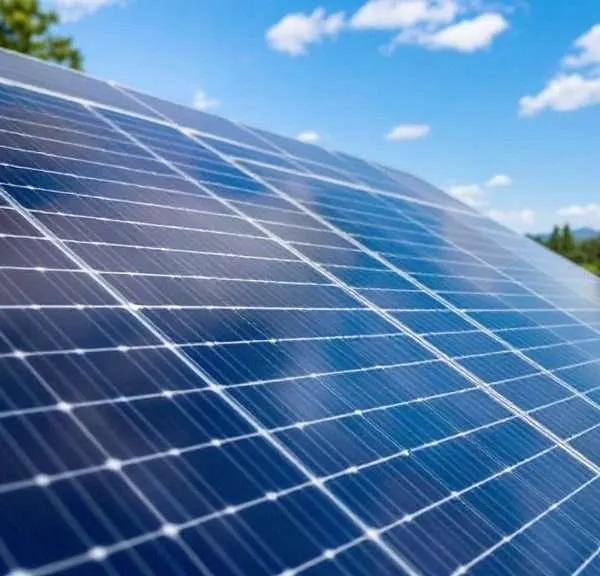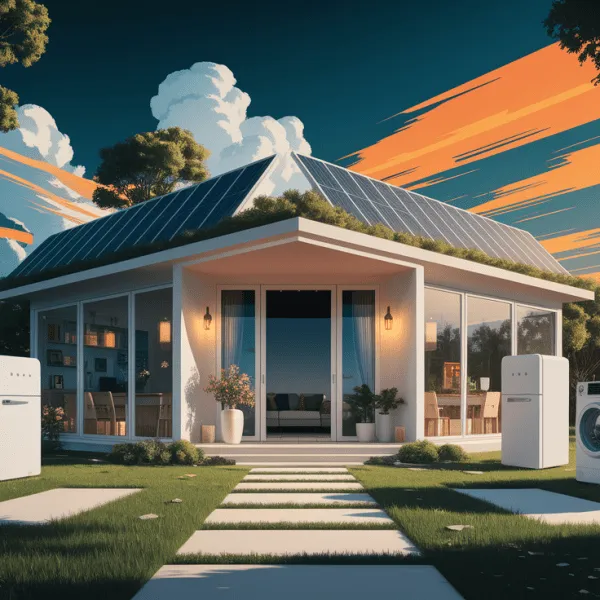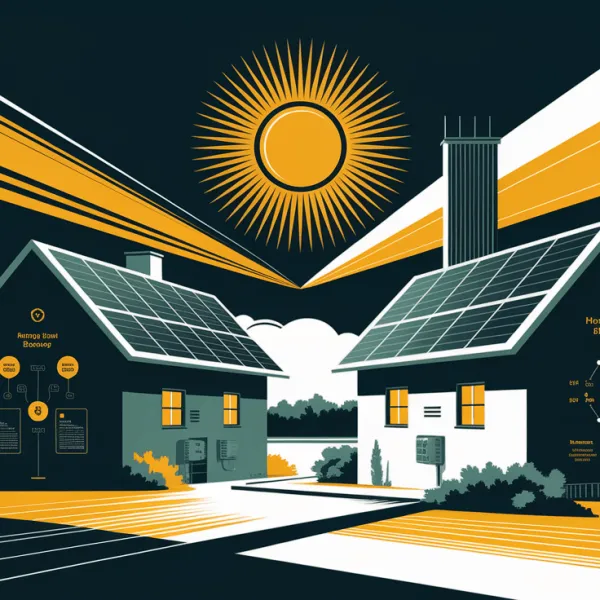

In a groundbreaking integration of agricultural innovation and renewable energy, a recent simulation has demonstrated the potential of agrivoltaics to enhance both food production and energy efficiency. By combining rooftop solar panels with tomato cultivation and hydrogen production, this approach illustrates a dual-use strategy that promises significant benefits for both the environment and energy consumers.
Understanding Agrivoltaics
Agrivoltaics, often referred to as agri-PV, is a method that allows for the simultaneous cultivation of crops and the generation of solar energy. This technique not only maximizes land use but also provides essential shade to crops, which can reduce water evaporation—an invaluable benefit for heat-sensitive plants like tomatoes. Research indicates that under various configurations, tomatoes can yield approximately 0.31 kg per square meter, even while grown beneath solar panels.
- Water Efficiency: The shade provided by the panels helps maintain moisture in the soil, a critical factor in regions facing water scarcity.
- Energy Production: The integration of solar technology can generate substantial power, enhancing overall farm sustainability.
According to Statkraft, agrivoltaics is proving to be a game changer, especially in areas with high sunlight exposure, such as parts of Spain and Nigeria, where the Land Equivalent Ratio (LER) exceeds 1.0, indicating that dual-use is economically viable.
Hydrogen Production from Agrivoltaic Systems
The electricity generated by agrivoltaic systems can also be harnessed to produce green hydrogen via electrolysis. A simulated setup featuring 12 solar modules on a 55 m² rooftop was able to power a 7 kW electrolyzer, achieving an impressive efficiency of 88%. This system produced enough hydrogen annually to support both smart windows and fuel cell electric vehicles (FCEVs), illustrating the versatility of this technology.
For instance, this simulated system generates around 52.56 grams of hydrogen annually, which is sufficient to enable a hydrogen vehicle, like the Toyota Mirai, to drive approximately 64.23 km daily. This indicates a practical application of renewable energy that extends beyond mere power generation, directly contributing to the mobility sector.
Innovations in Smart Windows Using Hydrogen
The hydrogen produced can be utilized in gasochromic smart windows, which are capable of switching between transparent and opaque states. This functionality enhances the energy efficiency of buildings by providing dynamic insulation. In the aforementioned UK simulation, the smart windows achieved a low U-value of 1.32 W/m²K, significantly reducing heating and cooling demands.
- Thermal Performance: The vacuum gasochromic glazing outperformed traditional window materials, leading to lower energy costs.
- Minimal Hydrogen Demand: The annual requirement of hydrogen for these windows is relatively low, making small-scale PV installations feasible for residential applications.
As noted by the U.S. Department of Energy, smart windows represent a critical advancement in building technology, allowing for enhanced comfort while minimizing energy use.
Scalability and Economic Feasibility
The economic viability of agrivoltaic systems is underscored by their scalability, ranging from residential rooftops to large utility-scale farms. Bifacial solar panels tilted at optimal angles can yield over 7,919 kWh per year, with Levelized Cost of Energy (LCOE) as low as GBP 0.061/kWh, demonstrating the financial attractiveness of such projects.
As the global push for sustainable energy intensifies, the integration of agrivoltaics with hydrogen production could play a pivotal role in meeting energy and food security goals. The ability to produce renewable fuel alongside crops not only addresses land-use conflicts but also enhances overall system resilience.
Conclusion: A Sustainable Future
The convergence of agrivoltaics, hydrogen production, and advanced building technologies points toward a promising future where energy and agriculture coexist more harmoniously. As these systems become more prevalent, they offer actionable pathways for reducing carbon footprints while ensuring food security. This innovative model encourages further exploration and investment in hybrid energy solutions that can meet the challenges of tomorrow’s sustainable development.