
Double the Harvest: Unlocking Bifacial Solar Power
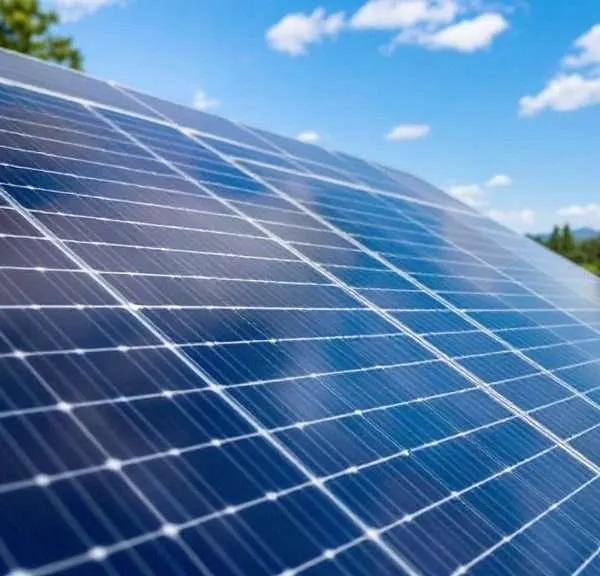
Bifacial solar panels represent one of the most promising innovations in modern renewable energy. Unlike conventional monofacial panels that only capture sunlight on the front surface, bifacial modules harness both direct and reflected light—also known as the albedo effect—to generate significantly more energy from the same footprint. In essence, these panels integrate advanced photovoltaic cells between two panes of tempered glass, enabling light penetration from both directions while enhancing durability.
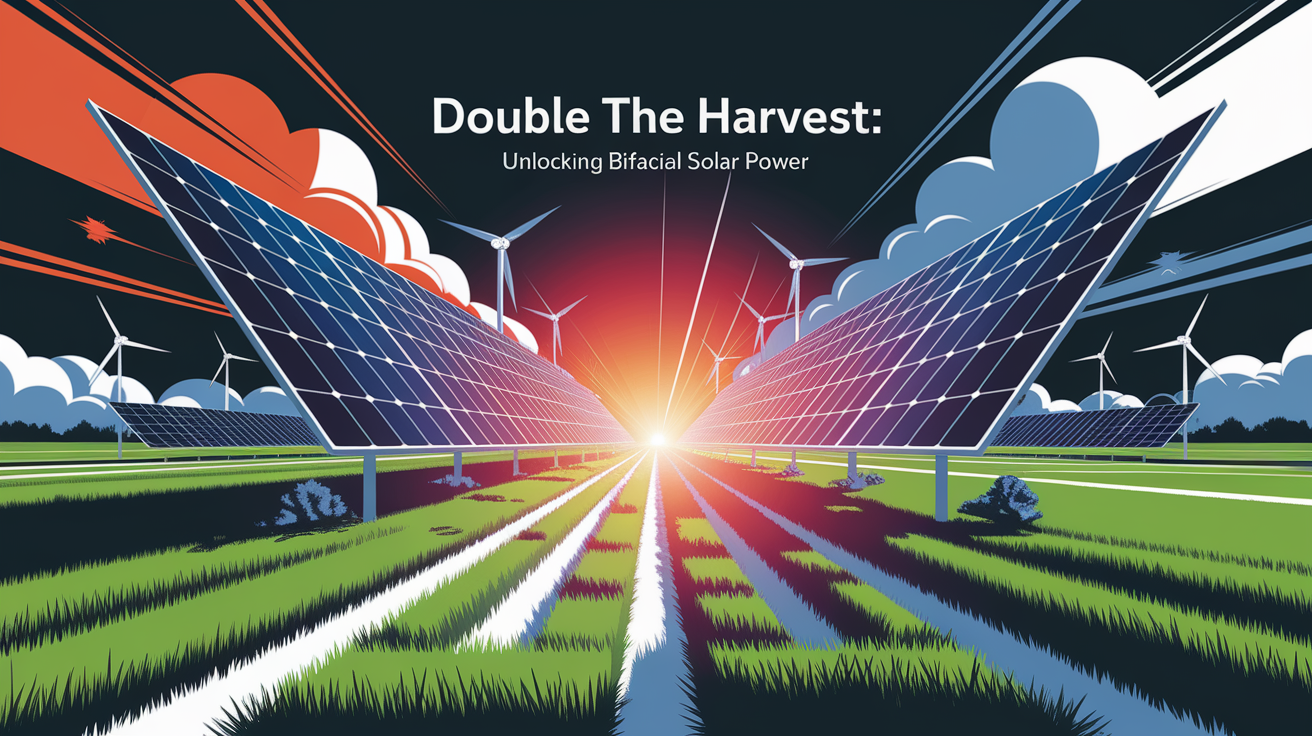
According to industry research, this dual-sided design can improve solar energy yield by approximately 5% to 30%, depending on factors like ground reflectivity, tilt angle optimization, and solar array spacing. This means asset owners can produce more electricity without expanding their installation area, making bifacial panels ideal for both ground-mount and specialized rooftop installation scenarios.
Key Benefits of Bifacial Solar Panels
The value proposition of bifacial panels extends beyond higher efficiency. Their technical and practical advantages make them particularly attractive for commercial, utility, and advanced residential applications.
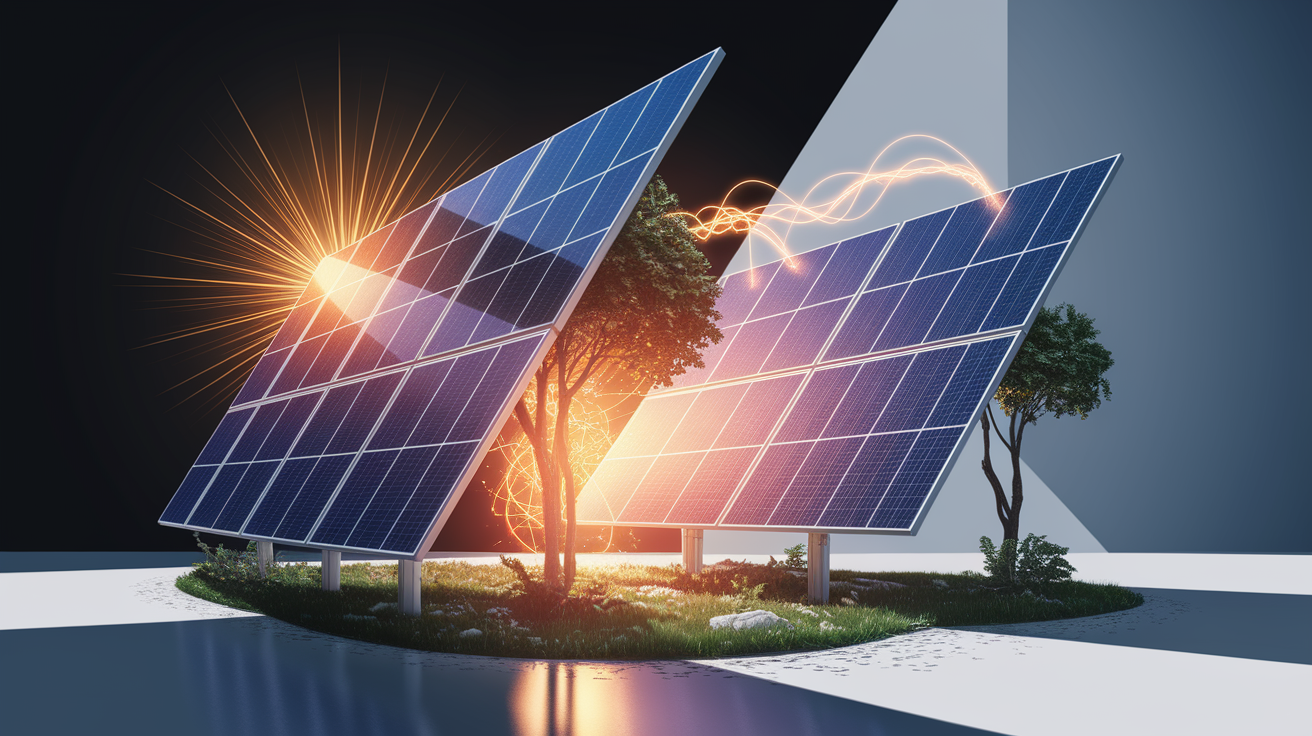
- Higher Energy Output: Increased power generation from both sides, improving ROI over the system’s lifespan. Gains can reach up to 30% in high-albedo environments compared to monofacial modules (source).
- Enhanced Durability: Glass encapsulation on both sides mitigates environmental damage and reduces degradation rates, extending useful life and protecting against mechanical stress.
- Design Flexibility: Suitable for ground-mounted solar farms, vertical noise barriers, floating PV systems, and aesthetically integrated architectural installations such as pergolas and carports.
- Cost-Effectiveness Over Time: While initial installation costs are higher, the increased energy yield lowers the levelized cost of electricity (LCOE) over the project’s operational period.
- Compatibility with Tracking Systems: When paired with single-axis or dual-axis solar tracking, bifacial panels can capture optimal solar irradiance throughout the day.
Site Selection and Mounting Strategies
Performance optimization begins with precise site engineering. Bifacial panel output greatly depends on the surrounding surface and structural configuration.
Ground Reflectivity (Albedo)
Light-colored or reflective ground surfaces like white gravel, sand, or concrete significantly boost rear-side energy production. For example, a high-albedo surface can drive the energy gain toward the 30% upper limit mentioned in installation guides.
Elevation and Spacing
Panels should be mounted with adequate height to allow reflected light to reach the rear side. Spacing between rows—in large installations often 8–10 meters—prevents shading and maximizes bifacial gain.
Mounting System Selection
- Minimal Back-Shading Frames: Use racking systems designed to reduce obstruction on the panel’s rear.
- Tilt Angles of 20°–30°: Optimizes both front and rear irradiance capture, especially in mid-latitude regions.
- Structural Compliance: Designed to withstand wind and snow loads without excessive rear-panel obstruction.
For unconventional installations such as noise barriers or vertical facades, engineering teams can integrate bifacial modules using transparent-backsheet or double-glass solar modules to maintain light transmission and maximize performance.
Installation Best Practices and Cost Considerations
A successful bifacial solar installation requires careful balancing of performance objectives and budget constraints. The following principles, highlighted in industry best-practice guides, are essential:
- Site Assessment: Analyze shading risks, ground reflectivity, panel orientation, and available space for optimal solar panel spacing.
- Optimized Mounting Height: Higher elevation allows more diffuse and reflected light to reach the rear surface but may increase structural and installation costs.
- Electrical Integration: Ensure solar inverter compatibility with dual-sided performance characteristics to avoid curtailment of generated power.
- Performance Monitoring: Employ monitoring tools to measure both front- and rear-side electricity generation for accurate performance evaluation.
- Maintenance: Maintain surface reflectivity and minimize dust accumulation on both sides, especially in dry, high-irradiance regions.
While bifacial panels typically cost more upfront than monofacial modules—often by 5%–15%—their significantly enhanced energy yield and extended lifespan make them a cost-effective investment in high-irradiance or high-albedo scenarios. These systems often achieve compelling payback periods for commercial and utility-scale projects.
Radiant Future: Concluding Insights on Bifacial Solar Panels
Bifacial solar technology is redefining system design strategies, transforming the economics of solar power by unlocking dual-surface generation potential. When paired with suitable sites, reflective surfaces, and advanced solar mounting systems, these panels deliver substantial efficiency gains and long-term value. Already, they are proving ideal for large-scale ground mounts, high-performance rooftop installations, and innovative architectural integrations.
The proven capability to boost solar array productivity without expanding land footprint positions bifacial modules as a leading contender in meeting global clean energy targets. For asset owners, engineers, and forward-looking energy planners, the takeaway is clear: investing in bifacial panels today can yield both immediate and enduring returns—provided installation adheres to best practices and performance-optimized design principles.