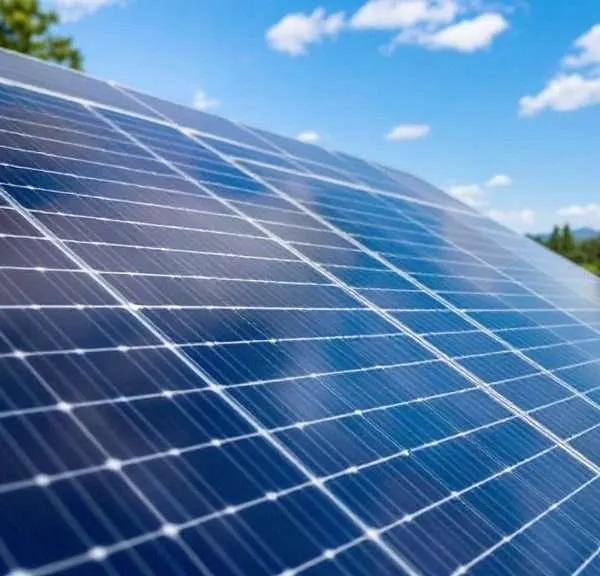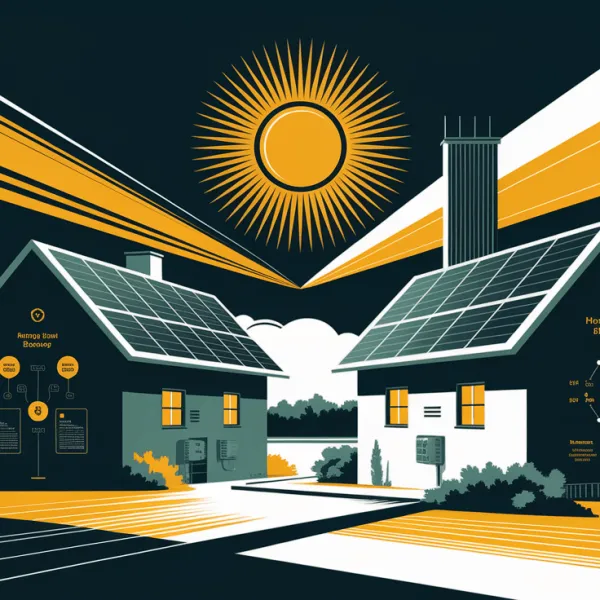

As energy demands grow and sustainability pressures mount, organizations are increasingly turning to Energy Management Systems (EMS) to control costs and reduce environmental impact. Yet many installations fail to deliver their full potential without proper optimization. The difference between a basic implementation and a finely-tuned system can mean thousands—or even millions—in savings while significantly advancing sustainability goals.
The Power of Optimization
Energy Management Systems form the backbone of modern energy efficiency strategies, but their true value emerges through optimization. These sophisticated platforms monitor, control, and optimize energy flows across buildings, industrial facilities, and microgrids, transforming raw data into actionable intelligence.
Optimized EMS deliver measurable advantages:
- Cost reduction: Organizations typically see 10-30% energy cost savings through optimized EMS implementations
- Carbon reduction: Properly tuned systems minimize waste and maximize renewable utilization
- Enhanced reliability: Predictive capabilities prevent outages and extend equipment life
- Operational insight: Granular visibility into energy consumption patterns drives better decision-making
According to recent research in Nature Scientific Reports, optimized EMS implementations in microgrids can reduce operational costs by up to 25% while improving system reliability. This demonstrates how mathematical optimization transforms theoretical efficiency into tangible financial outcomes.
Strategies for Effective Optimization
Successful EMS optimization requires a strategic approach combining technical expertise with operational understanding. Today’s leading systems leverage multiple optimization techniques to balance competing objectives.
Mathematical Modeling Approaches
Modern optimization employs sophisticated algorithms to balance multiple variables simultaneously. As outlined in IET’s comprehensive review, effective techniques include:
- Linear programming: For straightforward cost optimization scenarios
- Mixed-integer programming: When addressing equipment scheduling and discrete operational states
- Genetic algorithms: For complex, multi-variable optimization problems resistant to traditional methods
- Particle swarm optimization: Particularly effective for renewable energy integration challenges
The key is selecting the right approach for your specific energy profile and objectives. Manufacturing facilities with predictable loads benefit from different optimization strategies than campuses with variable occupancy and distributed energy resources.
Data-Driven Decision Making
The integration of data analytics and machine learning represents perhaps the most significant advancement in EMS optimization. These technologies enable systems to:
- Forecast energy demand with unprecedented accuracy
- Detect anomalies before they impact operations
- Continuously adapt to changing conditions without manual intervention
- Balance multiple energy sources optimally
IBM’s energy management research highlights how AI-powered analytics can identify patterns invisible to human operators, enabling proactive rather than reactive energy management strategies.
For example, a commercial office building implemented machine learning algorithms that analyzed occupancy patterns, weather data, and historical energy consumption. The system began automatically adjusting HVAC settings 30-45 minutes before occupancy changes, reducing energy waste while maintaining comfort. The result: 18% energy savings without any compromise in tenant satisfaction.
Overcoming Common Challenges
Despite their potential, many organizations encounter obstacles when optimizing their energy management systems. Addressing these challenges proactively ensures maximum return on your EMS investment.
Data Quality and Integration Issues
Optimization algorithms are only as good as the data feeding them. Common data challenges include:
- Inconsistent sensor readings requiring validation protocols
- Legacy equipment lacking modern communication capabilities
- Disparate systems creating data silos
- Insufficient granularity for meaningful analysis
Solution: Implement a comprehensive IoT sensor strategy with data quality validation routines. Create middleware connections between legacy building automation systems and newer analytics platforms to ensure seamless data flow.

Balancing Multiple Objectives
Energy management rarely involves optimizing for a single variable. Organizations typically need to balance:
- Cost reduction vs. occupant comfort
- Peak demand management vs. operational flexibility
- Carbon reduction vs. reliability requirements
Solution: Implement multi-objective optimization algorithms that can weigh competing priorities based on configurable business rules. As documented in MathWorks’ implementation case studies, successful organizations create clear hierarchies of optimization objectives that reflect their specific operational and sustainability goals.
Technical Expertise Gaps
Advanced optimization requires specialized knowledge spanning energy systems, data science, and operations research—a rare combination in most organizations.
Solution: Consider partnerships with specialized energy analytics providers or develop internal expertise through targeted training. Cloud-based energy management platforms can also provide built-in optimization capabilities without requiring in-house expertise.
Future Trends in Energy Optimization
The energy optimization landscape continues evolving rapidly, with several emerging trends poised to reshape what’s possible:
AI-Driven Autonomous Optimization
Next-generation systems are moving beyond rule-based optimization toward fully autonomous operation. These platforms can:
- Self-tune parameters without human intervention
- Predict and adapt to changing conditions before they occur
- Discover non-intuitive optimization strategies humans might overlook
- Continuously improve performance through reinforcement learning
The integration of advanced machine learning with energy forecasting capabilities, as highlighted in recent microgrid research, demonstrates how AI can optimize complex energy systems far beyond human capabilities.

Grid-Interactive Optimization
As electricity markets evolve, optimization increasingly extends beyond facility boundaries. Forward-thinking organizations are:
- Participating in automated demand response programs
- Optimizing energy purchases based on real-time pricing
- Monetizing flexibility through grid services
- Coordinating with neighboring facilities in energy communities
This expanded optimization scope allows facilities to transform from passive consumers to active grid participants, creating new value streams while supporting grid stability.
Digital Twin Integration
Digital twins—virtual replicas of physical energy systems—are revolutionizing optimization capabilities. These models enable:
- Risk-free testing of optimization strategies
- What-if scenario analysis for capital planning
- Continuous commissioning through deviation detection
- More accurate predictive maintenance
By creating a virtual environment for optimization, organizations can achieve outcomes that would be impossible through traditional methods.
Energize Your Efficiency Journey
Optimizing your energy management system isn’t a one-time project but a continuous journey. To maximize your success:
- Start with clear objectives: Define specific, measurable energy and sustainability goals
- Establish baselines: You can’t improve what you don’t measure
- Implement incrementally: Begin with high-impact, low-complexity optimizations
- Validate continuously: Regular measurement and verification ensures sustained performance
- Engage stakeholders: The most successful programs align technical optimization with organizational priorities
As energy systems grow more complex and sustainability pressures intensify, optimization isn’t just advantageous—it’s essential. Organizations that master EMS optimization will gain competitive advantage through lower operating costs, enhanced resilience, and improved environmental performance.
By applying the principles outlined in this article, you can transform your energy management system from a basic monitoring tool into a powerful optimization engine that delivers measurable value across your organization.