Hydrostor’s Groundbreaking A-CAES Project in California
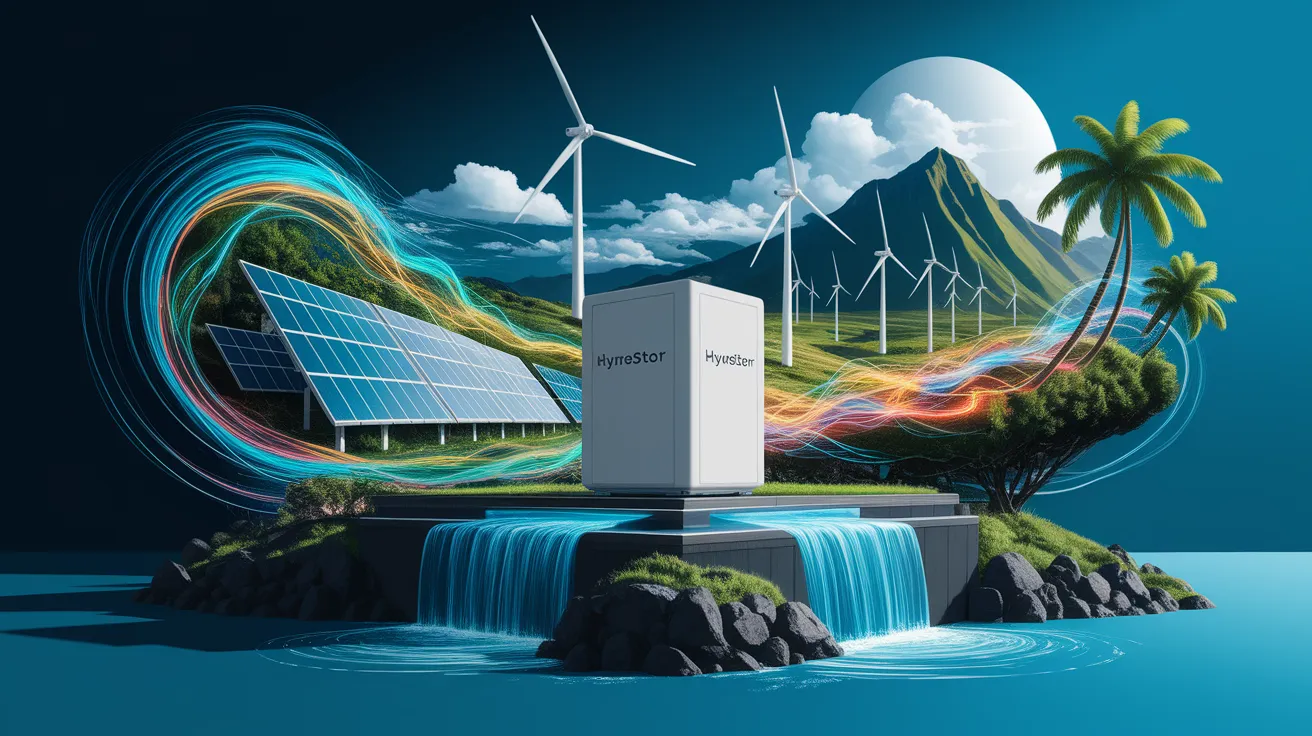
Hydrostor is making significant strides in renewable energy with its Willow Rock Energy Storage Centre, a cutting-edge 500MW/4,000MWh advanced compressed air energy storage (A-CAES) facility in California. Recently, the California Energy Commission granted final permitting approval, positioning the project to commence construction, making it shovel-ready by 2026. This facility utilizes a unique A-CAES technology that compresses air using off-peak electricity, storing it in underground caverns while maintaining constant pressure with hydrostatic compensation.
The Willow Rock project promises long-duration energy storage capabilities, with the potential for multi-day discharges while maintaining a lifespan of over 50 years. This aligns with California’s ambitious goal of achieving 100% carbon-free electricity by 2045. In 2022, Hydrostor secured an initial offtake agreement for 200MW/1,600MWh through a 25-year power purchase agreement with Central Coast Community Energy (3CE), underscoring the project’s viability and demand.
For further details on this innovative technology, you can explore more about its A-CAES technology.
Hawaiian Electric’s Waena Battery Energy Storage System
On the islands of Hawaii, Hawaiian Electric is poised to enhance its renewable energy capabilities with the construction of the Waena Battery Energy Storage System (BESS). Slated to begin in January, this 40MW/160MWh facility marks Maui’s first large standalone load-shifting battery system, approved by the Hawaii Public Utilities Commission in December 2023.
Strategically located on Pulehu Road, the Waena BESS will store excess energy produced from renewable sources and dispatch it as needed, facilitating the phased shutdown of the fossil-fueled Kahului Power Plant. This project is a vital step towards Hawaiian Electric’s goal of achieving 100% renewable electricity by 2045, building on the current 41% renewable energy penetration in Maui County. The Waena BESS is expected to come online by 2027, contributing significantly to local grid stability and sustainability efforts.
For more on Hawaiian Electric’s initiatives, visit their official announcement.
Peregrine Partners with Wärtsilä for Texas Energy Storage
In Texas, Peregrine Energy Solutions has selected Wärtsilä to supply technology for a substantial 500MWh battery energy storage system (BESS), enhancing the reliability of the Electric Reliability Council of Texas (ERCOT) grid amid rapid renewable growth. This project represents a crucial step in addressing the challenges of grid reliability and efficiency as Texas continues to expand its renewable energy portfolio.
Wärtsilä’s modular BESS solutions are designed to provide critical services such as frequency regulation, energy arbitrage, and peak shaving, ensuring that the grid can accommodate the fluctuations typical of renewable energy sources. As the construction phase advances, this project highlights the importance of innovative storage solutions in the transition to a sustainable energy landscape in Texas.
Learn more about Wärtsilä’s offerings in battery energy storage systems.
Broader Implications for Long-Duration Energy Storage
The developments in California, Hawaii, and Texas underscore a nationwide push for long-duration energy storage (LDES) solutions that are essential for integrating renewable energy sources effectively. As the U.S. transitions toward a cleaner energy future, these projects not only reflect advancements in energy storage technology but also demonstrate a commitment to reducing reliance on fossil fuels.
With initiatives supported by state mandates and federal incentives, the landscape for energy storage is rapidly evolving. The combination of advanced technologies like A-CAES, alongside traditional battery systems, is set to play a pivotal role in achieving sustainability goals while ensuring grid stability in an era of increasing renewable energy adoption.
As we look to the future, stakeholders in the renewable energy sector are encouraged to stay informed about these trends and consider how emerging technologies can be leveraged to meet energy demands sustainably.