
The Next Leap in Energy Storage
The energy storage landscape is undergoing rapid transformation as technological innovations drive efficiency, capacity, and cost improvements. With renewable energy installations accelerating worldwide, storage solutions have become the critical missing link in creating a truly sustainable grid.
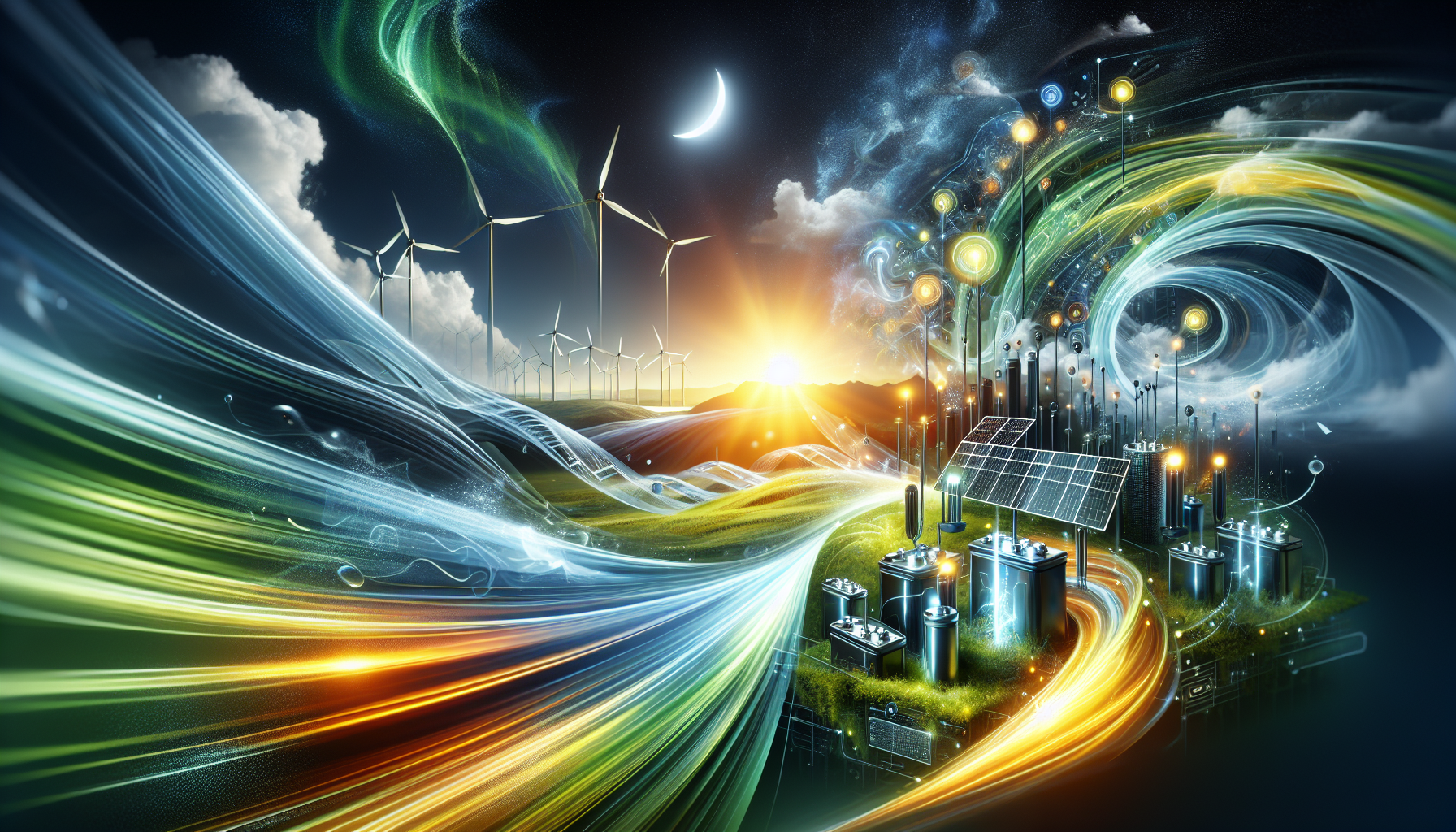
Currently, lithium-ion batteries dominate the market due to their proven reliability, high energy density, and rapidly declining costs. These systems scale from tens to hundreds of megawatts while providing millisecond response times for grid stabilization, frequency regulation, and renewable energy integration. According to recent market projections, grid-scale lithium-ion deployments will continue expanding through 2026, particularly for applications requiring 4-8 hour discharge durations.
However, the limitations of lithium-ion—including resource constraints, safety concerns, and challenges with very long-duration storage—have accelerated development of next-generation technologies. Global energy storage capacity is projected to exceed 600 GWh by 2026, with the United States alone expected to deploy 15 GW of battery energy storage systems (BESS), followed by Germany and Australia at 5 GW each, and the UK at approximately 3 GW.
Cutting-Edge Battery Technologies
The battery revolution extends far beyond traditional lithium-ion chemistry, with several technologies positioned to reshape the storage landscape:
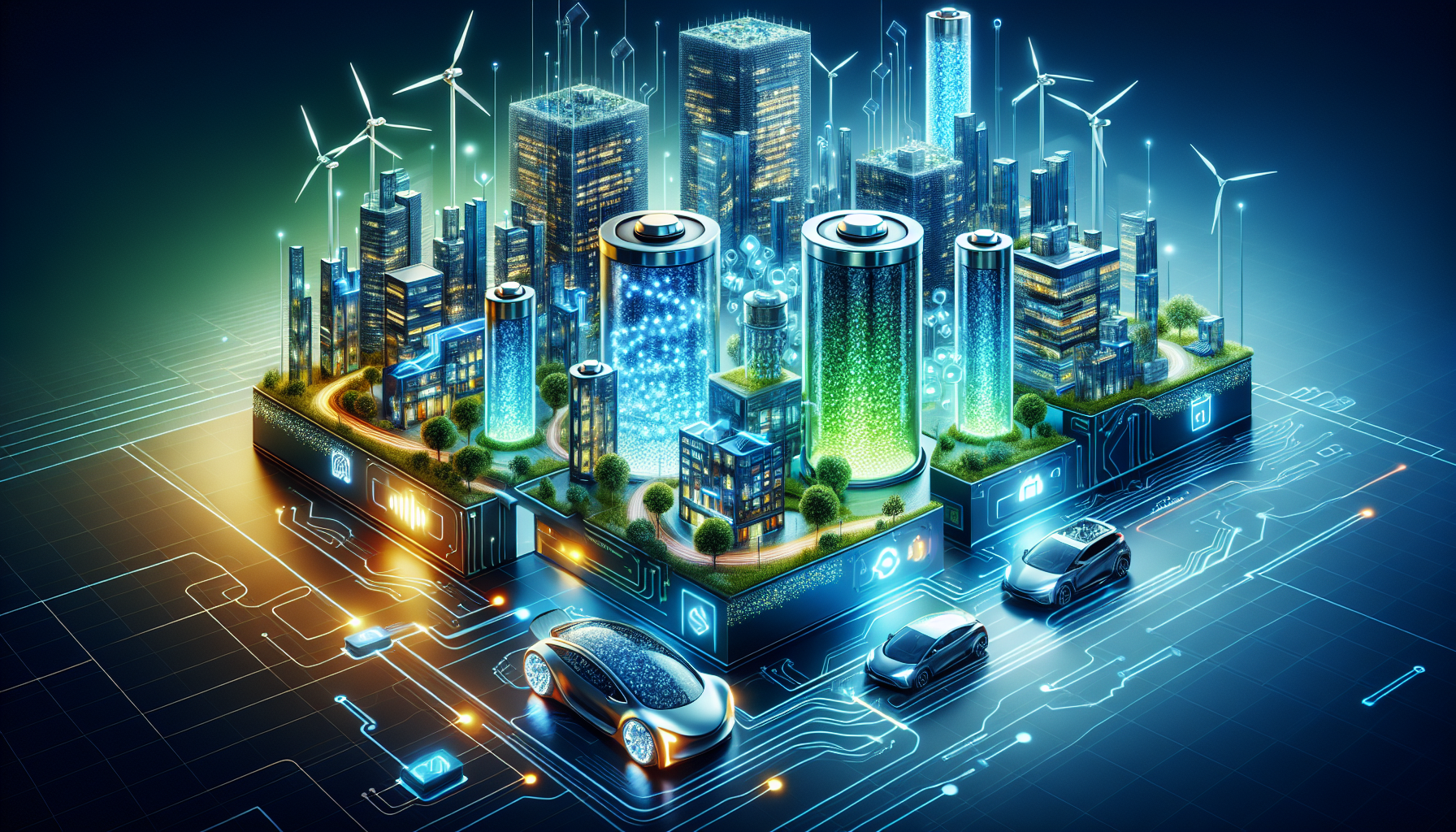
- Solid-State Batteries: Replacing flammable liquid electrolytes with solid materials, these batteries offer substantially improved safety profiles and energy density. Industry analysts predict solid-state technology will grow at a 25% CAGR through 2026, with initial grid-scale applications beginning deployment. The elimination of thermal runaway risk makes these particularly attractive for residential and commercial applications.
- Sodium-Ion Batteries: Using abundant, low-cost materials, sodium-ion technology presents a compelling alternative to lithium-ion. These batteries deliver comparable energy density while reducing overall costs and supply chain vulnerabilities. With expected lifespans exceeding 20 years and excellent cold-weather performance, they’re increasingly targeting grid applications where long-term reliability outweighs maximum energy density.
- Flow Batteries: These systems store energy in liquid electrolyte solutions circulated through electrochemical cells. Their key advantage lies in independent scaling of power and energy capacity, making them ideal for long-duration storage applications. Vanadium redox and zinc-bromine variants continue to see cost improvements and commercial deployment for renewable energy integration.
- Zinc-Air Batteries: Achieving impressive energy densities up to 300 Wh/kg, zinc-air technology utilizes inexpensive, abundant materials. While cycle life limitations have historically restricted applications, recent advancements are extending operational lifespans, positioning them for grid and commercial applications by 2026.
Beyond Batteries: Alternative Storage Solutions
While electrochemical batteries capture headlines, several non-battery technologies are proving essential for specific grid applications:
- Green Hydrogen Storage: Using electrolysis powered by excess renewable energy, green hydrogen production converts electricity into a versatile energy carrier. This hydrogen can be stored in tanks or geological formations for weeks or months before reconversion to electricity via fuel cells. Multiple utility-scale projects are moving from demonstration to commercial deployment, particularly for seasonal storage applications where batteries remain impractical.
- Compressed Air Energy Storage (CAES): This technology uses off-peak electricity to compress air in underground caverns or containers, releasing it through turbines when needed. China leads deployment with major installations in Hubei and Jiangsu provinces. Industry analysts note these systems can provide multi-day backup capacity at grid scale.
- Iron-Air Batteries: Leveraging the rust-unrust cycle of iron, these systems offer ultra-low-cost, long-duration storage using Earth-abundant materials. Research at Stanford demonstrates their potential for weekly or monthly storage cycles, ideal for managing seasonal variations in renewable output.
- Mechanical Solutions: Advanced flywheels, gravity-based systems, and even compressed CO2 technologies are finding specialized applications. These solutions excel where rapid discharge, extremely long cycle life, or unique siting constraints make conventional batteries suboptimal.
The Role of Energy Storage in Renewable Integration
Energy storage has evolved from a niche solution to a fundamental component of modern grid architecture. As renewable penetration increases, storage provides essential services that maintain stability and reliability:
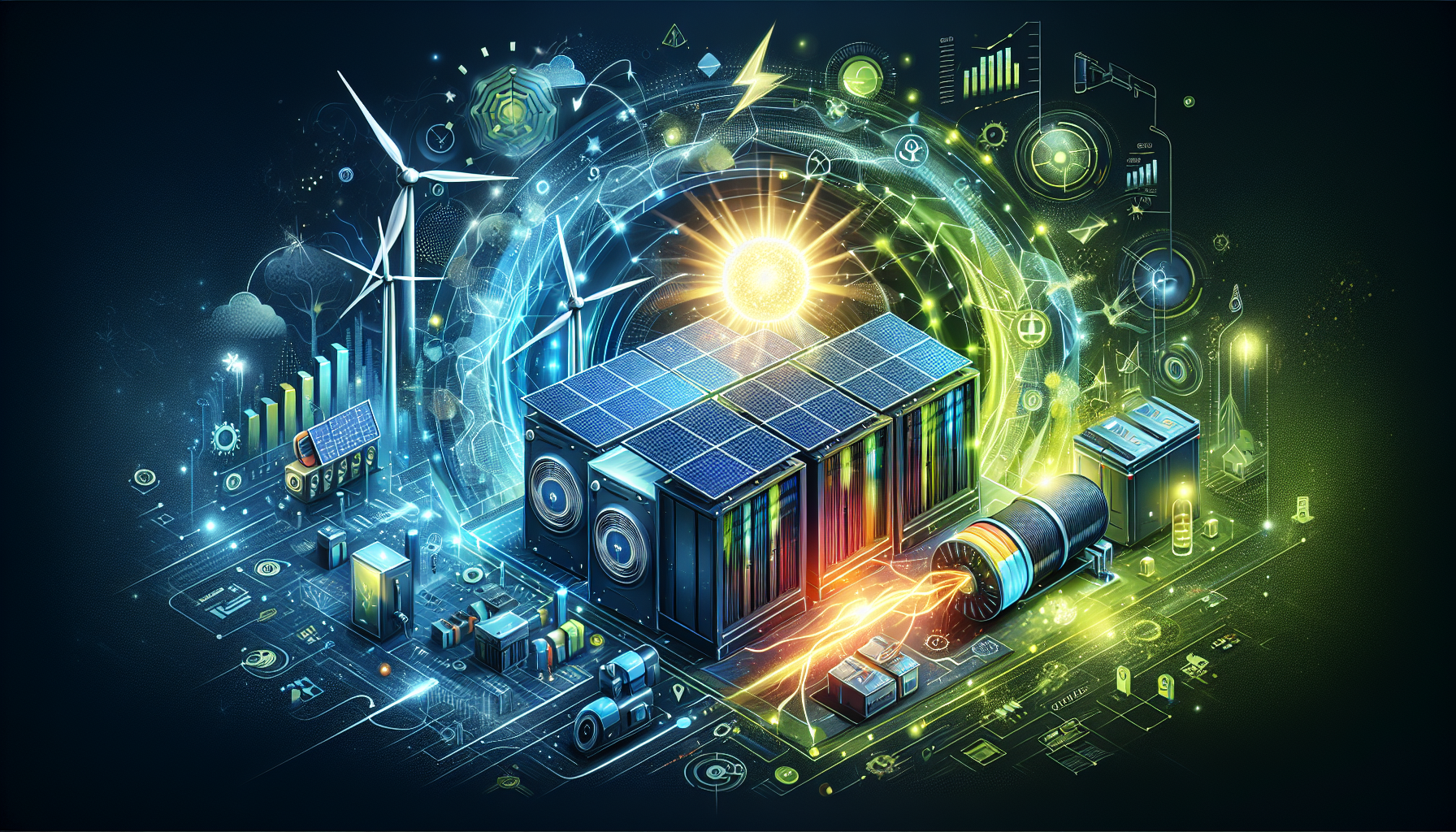
- Firming Intermittent Generation: Storage systems transform variable solar and wind output into dispatchable resources, enabling these renewables to provide consistent, predictable power to the grid.
- Grid-Forming Capabilities: Next-generation inverters with grid-forming functionality allow storage systems to establish voltage and frequency references, a critical capability as conventional thermal generators retire. Policy shifts increasingly mandate these features for new installations.
- Transmission Deferral: Strategically located storage assets can relieve congestion on transmission lines, potentially delaying or eliminating the need for expensive infrastructure upgrades.
- Data Center Integration: The explosive growth in AI and cloud computing has driven unprecedented demand for reliable power. Energy storage systems are increasingly deployed directly at data centers to manage load ramps and provide resilience.
The evolution of hybrid storage systems—combining multiple technologies like batteries and ultracapacitors—enables optimal performance across different time scales. These integrated solutions provide both rapid response and extended duration, maximizing value for grid operators and energy consumers.
Challenges and Future Prospects
Despite remarkable progress, significant challenges remain in scaling energy storage to meet climate and grid reliability goals:
- Supply Chain Constraints: Critical minerals like lithium, cobalt, and rare earth elements face potential shortages as demand accelerates. Alternative chemistries using abundant materials will become increasingly important.
- Regulatory Frameworks: Many markets still lack clear mechanisms to value and compensate the full range of services storage provides, limiting investment and deployment.
- Long-Duration Requirements: As renewable penetration exceeds 80% in leading markets, the need for affordable 100+ hour storage solutions becomes acute. Technologies capable of multi-day or seasonal storage require continued development.
- End-of-Life Management: Creating sustainable recycling pathways for decommissioned storage systems presents both environmental challenges and resource recovery opportunities.
Despite these hurdles, the trajectory is clear: forecasts indicate capacity will continue growing exponentially through 2026 and beyond. The diversification of technologies and business models suggests a future where multiple storage solutions coexist, each optimized for specific applications and durations.
Energizing Tomorrow: The Impact of Storage Innovations
The advancements in energy storage represent more than technical achievements—they’re enabling a fundamental redesign of our energy systems. As costs continue declining and performance improves, storage will unlock new possibilities:
- Communities increasingly pairing local renewable generation with storage to create resilient microgrids
- Electric vehicles serving as distributed storage assets through vehicle-to-grid technology
- Industrial processes shifting to renewable power as storage ensures reliability
- Utilities retiring fossil fuel peaker plants in favor of clean storage solutions
The most transformative impact may be in regions currently lacking reliable grid infrastructure. Modular storage systems combined with renewables can leapfrog conventional development paths, delivering clean, reliable electricity without massive transmission investments.
Energy storage technology has crossed the threshold from promising innovation to essential infrastructure. The investments, deployments, and advancements happening today will shape our energy landscape for decades to come, enabling the transition to a renewables-based system that is not just cleaner, but more resilient and economical than what came before.