
Strategic Shift Towards Sodium-Ion Technology
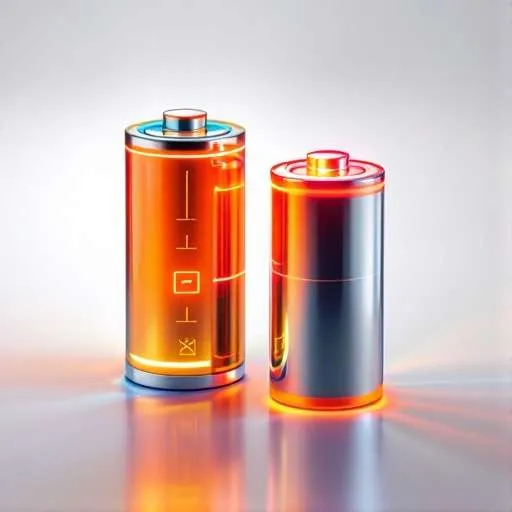
Germany is making significant strides in the renewable energy sector with a substantial investment in sodium-ion battery technology. Moll Batterien, a well-established automotive battery manufacturer based in Bad Staffelstein, Bavaria, has secured more than €22 million in public funding as part of a broader €103 million investment plan. This initiative aims to establish a state-of-the-art sodium-ion battery production facility in Lichtenfels, with an annual output target of 1 GWh, expected to commence operations by the end of 2026.
Economic and Environmental Benefits
The financial backing includes €19.65 million from the Bavarian state government and €2.52 million from the European Union’s European Regional Development Fund. This strategic pivot from traditional lead-acid batteries to sodium-ion technology reflects a growing demand for energy storage solutions that prioritize cost-effectiveness and sustainability.
- Job Creation: The project is anticipated to create 126 jobs initially, with the potential to expand to 500 positions as production increases.
- Cost-Effectiveness: Sodium-ion batteries can be produced at costs up to 40% lower than their lithium-ion counterparts, making them an attractive option for grid-scale energy storage.
Advantages of Sodium-Ion Batteries
Sodium-ion batteries present several advantages over traditional lithium-based systems, particularly in stationary applications:
- Material Availability: Sodium is abundant and can be sourced domestically, reducing supply chain risks associated with lithium, nickel, and cobalt.
- Safety: These batteries exhibit lower fire hazards compared to lithium-ion systems, enhancing safety for large-scale installations.
- Recyclability: Sodium-ion technology offers improved recyclability, contributing to more sustainable energy solutions.
While sodium-ion batteries trade off some energy density compared to lithium-ion, they are ideally suited for long-duration storage needs, making them a strategic choice for enhancing renewable energy integration into the grid.
Broader Implications for the European Market
This investment aligns with a broader European strategy to diversify battery technologies in response to increasing renewable energy demands. Germany’s support for Moll Batterien underscores the urgency to develop domestic manufacturing capabilities and reduce reliance on global supply chains, particularly those dominated by Asian manufacturers.
As noted by industry analysts, the project not only aims to establish a competitive edge in the battery manufacturing sector but also addresses the pressing need for affordable and reliable storage solutions amid the growing penetration of renewable energy sources.
The facility is also expected to serve as a testing ground for translating laboratory innovations into commercially viable products, potentially influencing future policy decisions regarding alternative battery technologies across Europe.
Collaborative Efforts and Challenges Ahead
Moll Batterien’s efforts are bolstered by international partnerships, particularly with Shanghai Putailai New Energy Technology, which will assist in various aspects of the project, from equipment development to technical training. Such collaborations highlight the importance of integrating global expertise while fostering local production capabilities.
Despite these promising developments, significant challenges remain. Achieving consistent manufacturing yields and navigating the complexities of large-scale production will be critical to the project’s success. The ambitious timeline for commissioning by 2026 necessitates effective coordination of construction, training, and production ramp-up activities.
Conclusion: A Step Towards Sustainable Energy Solutions
The support for Moll Batterien’s sodium-ion battery plant marks a pivotal moment in Germany’s energy transition strategy. By investing in this innovative technology, Germany aims to not only enhance its energy storage capabilities but also set a precedent for sustainability and economic growth within the European battery market.
As this project unfolds, it will be closely watched by industry stakeholders and policymakers alike, potentially paving the way for a more resilient and diversified energy future.