
Introduction
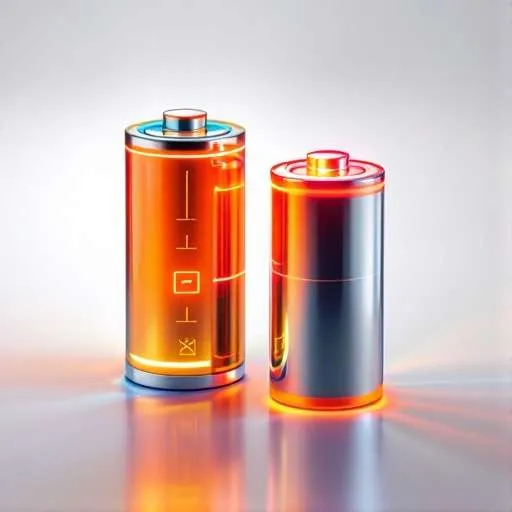
Lithium Iron Phosphate (LiFePO4) batteries have emerged as a leading energy storage solution for solar installations, offering a unique combination of safety, longevity and performance. Unlike traditional battery technologies, these power storage systems provide consistent output and remarkable durability that has revolutionized renewable energy storage applications.

As solar adoption accelerates worldwide, the performance characteristics of battery storage become increasingly critical for system designers and homeowners alike. LiFePO4 technology offers distinct advantages that position it as a preferred choice for many solar applications, particularly in residential and commercial settings where reliability and safety are paramount concerns.
Main Content
Understanding LiFePO4 Battery Fundamentals
LiFePO4 batteries operate at a nominal voltage of 3.2V per cell, lower than other lithium-ion variants but contributing to their superior thermal stability. This chemistry eliminates cobalt, making them more environmentally friendly and safer for disposal than conventional lithium-ion batteries.
The battery chemistry maintains stable voltage output throughout the discharge cycle, providing consistent power levels for connected devices and systems. This voltage stability represents a significant advantage for solar installations where power quality matters.
Perhaps most notably, LiFePO4 batteries offer exceptional thermal stability that prevents thermal runaway, essentially eliminating risks of combustion or explosion even at high temperatures. This makes them particularly suitable for residential energy storage where safety concerns are paramount.
“The discharge curve of LiFePO4 batteries remains remarkably flat throughout most of their capacity range,” explained Dr. Helen Chen, battery researcher at the National Renewable Energy Laboratory. “This means devices receive consistent voltage until the battery is nearly depleted.”
Cycle Life and Longevity Performance
LiFePO4 batteries demonstrate exceptional cycle life, typically rated for 2,000 to 6,000 complete charge-discharge cycles before capacity drops to 80% of the original rating. Advanced models can achieve up to 6,500 cycles before reaching 50% capacity. This represents a significant advantage over traditional lead-acid batteries, which typically deliver only 300-500 cycles.
After approximately 10 years of regular use, LiFePO4 batteries may retain 70-80% of their original capacity, making them highly effective for long-term energy storage despite gradual capacity fade. This extended battery lifespan translates directly to fewer replacements and substantial cost savings.
Depth of discharge (DoD) significantly affects how long these batteries last. While they can technically be discharged completely, maintaining a shallow discharge pattern extends their usable life considerably, a factor that battery management systems often regulate automatically.

The deep cycle performance of LiFePO4 batteries makes them particularly well-suited for solar applications where daily charging and discharging is the norm rather than the exception.
Energy Efficiency and Power Delivery
LiFePO4 batteries demonstrate remarkable energy efficiency, with round-trip efficiency typically exceeding 95%. This means very little energy is lost during charging and discharging processes, optimizing the overall performance of solar energy systems.
During the initial five years of operation, these batteries perform close to their nameplate specifications, delivering their full rated capacity with reliable and predictable performance. Over time, a slight increase in internal resistance may occur, potentially affecting high-power discharge capabilities.
The charging efficiency remains consistently high throughout the battery’s lifespan. This characteristic allows solar system owners to capture and store more of their generated electricity, increasing the overall return on investment for their renewable energy systems.
Battery monitoring systems are essential components that help maintain optimal performance by tracking voltage, temperature and other critical parameters. These systems prevent potentially harmful operating conditions that could degrade performance prematurely.
Temperature Performance and Operating Range
LiFePO4 batteries function efficiently across a broad temperature spectrum, from -4°F (-20°C) to 140°F (60°C), making them suitable for diverse geographic locations. This wide operating range represents a significant advantage for outdoor solar installations exposed to seasonal temperature variations.
The cold weather performance of LiFePO4 batteries exceeds that of many competing technologies, maintaining high capacity and power output even in frigid conditions. However, extreme temperatures below freezing may require thermal management systems for optimal functionality.
Self-discharge rates remain remarkably low across the temperature spectrum, allowing these batteries to maintain their charge during periods of storage or limited use. This characteristic proves valuable for seasonal applications or backup power systems that may sit idle for extended periods.
The temperature resistance of LiFePO4 batteries makes them particularly suitable for demanding environments including remote solar installations, marine applications, and recreational vehicles where environmental conditions fluctuate dramatically.
Comparative Advantages and Cost Considerations
When compared to traditional lead-acid batteries, LiFePO4 alternatives are approximately 50% smaller and lighter while delivering superior performance. However, they have lower energy density than other lithium-ion chemistries, requiring more space and weight for equivalent storage capacity.
LiFePO4 batteries generally provide longer cycle life than NMC (Nickel Manganese Cobalt) and other lithium-ion variants, making them preferred for stationary home energy storage where service longevity outweighs size considerations.
The initial investment for LiFePO4 batteries typically exceeds that of lead-acid options, creating a potential barrier for budget-conscious consumers. However, their extended lifespan and reduced replacement frequency make them more economical over the long term.
The cost per cycle of LiFePO4 batteries, when calculated over their entire useful life, often proves significantly lower than alternatives despite higher upfront pricing. This metric has become increasingly important for solar installers and consumers making informed investment decisions.
Conclusion
LiFePO4 batteries represent a significant advancement in energy storage technology, particularly for solar applications where safety, longevity and consistent performance are critical factors. Their exceptional cycle life, thermal stability and high efficiency make them well-suited for renewable energy systems despite higher initial costs.

As solar adoption continues to accelerate globally, the role of high-performance battery storage becomes increasingly important. LiFePO4 technology offers a compelling combination of characteristics that address many of the limitations of previous energy storage solutions.
For system designers, installers and end users, understanding the performance characteristics of LiFePO4 batteries enables more informed decisions regarding energy storage solutions that balance initial investment against long-term reliability and value.