

As climate challenges intensify and global food security concerns grow, the agricultural sector stands at a critical crossroads. Today’s farming innovations are not just about increasing yields—they’re about reimagining our relationship with the land that sustains us. Sustainable agriculture offers practical pathways to meet current food needs while preserving resources for future generations, merging time-tested wisdom with cutting-edge technology.
The Green Revolution: A New Era of Farming
Unlike the chemical-intensive Green Revolution of the mid-20th century, today’s agricultural transformation emphasizes balance and systems thinking. Sustainable agriculture represents an integrated approach that views farms as complete ecosystems—where productivity coexists with environmental stewardship.
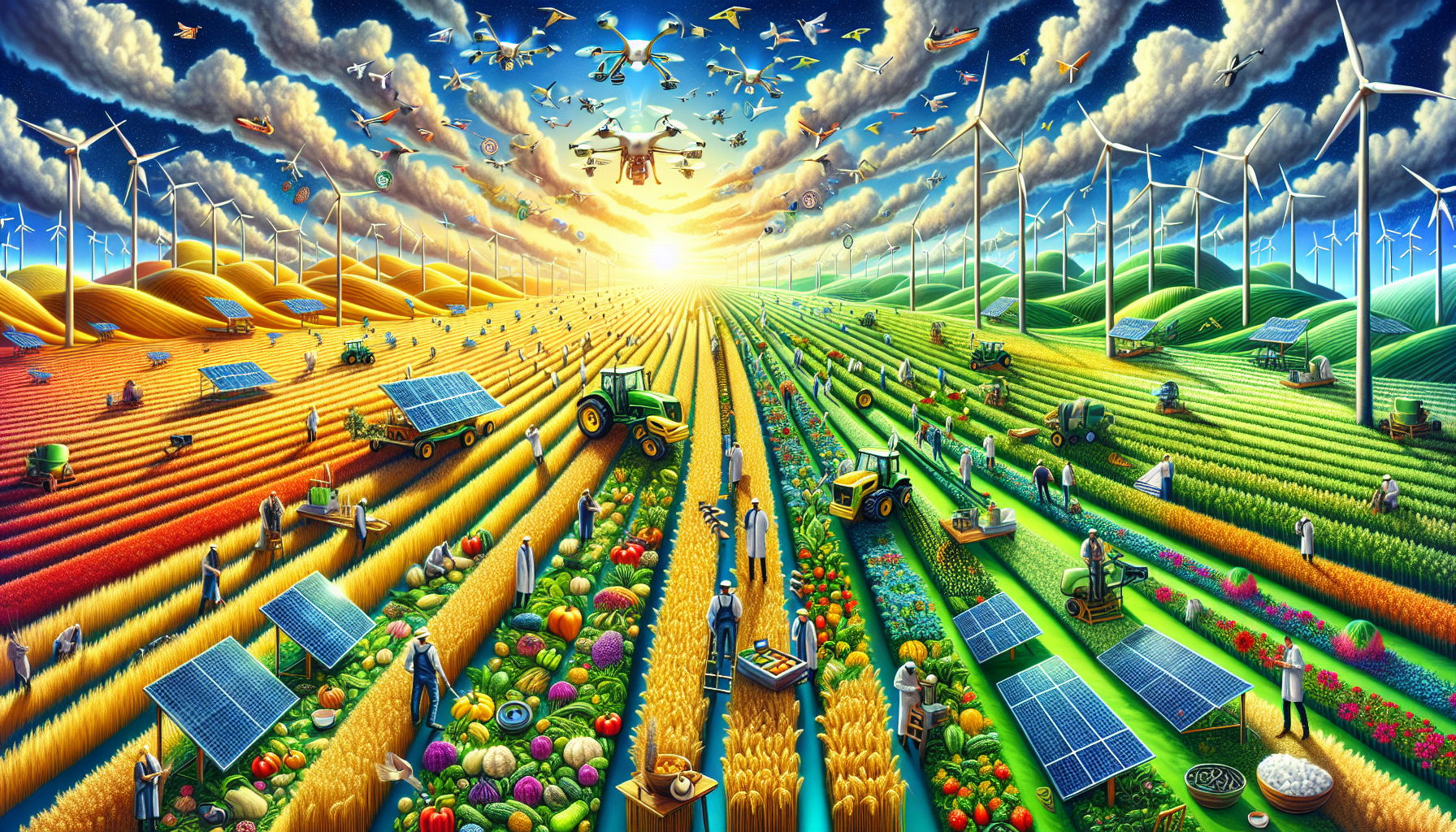
This new paradigm rests on key principles:
- Increasing productivity while protecting natural resources
- Improving farmer livelihoods and rural community welfare
- Enhancing resilience of both ecosystems and human communities
- Adapting governance structures to address emerging challenges
The Food and Agriculture Organization emphasizes these principles as foundational to transforming our food systems. Rather than depleting resources for short-term gains, sustainable farms operate as regenerative systems that can produce abundantly year after year while maintaining ecological integrity.
Regenerative Agriculture: Healing the Land
Regenerative agriculture goes beyond sustainability to actively restore ecosystem health. These practices don’t just prevent further degradation—they reverse it by rebuilding soil organic matter and restoring biodiversity.
Key regenerative approaches include:
- Cover cropping: Plants like clover and rye protect bare soil between growing seasons, preventing erosion while adding organic matter
- Reduced tillage: Minimizing soil disturbance preserves soil structure and beneficial microorganisms
- Livestock integration: Animals become part of the farm ecosystem, providing natural fertilization and diverse income streams
These methods deliver impressive results. According to research cited by Sustainable Agriculture Research & Education (SARE), farms implementing regenerative practices have documented 29% lower production costs while maintaining comparable yields to conventional operations.
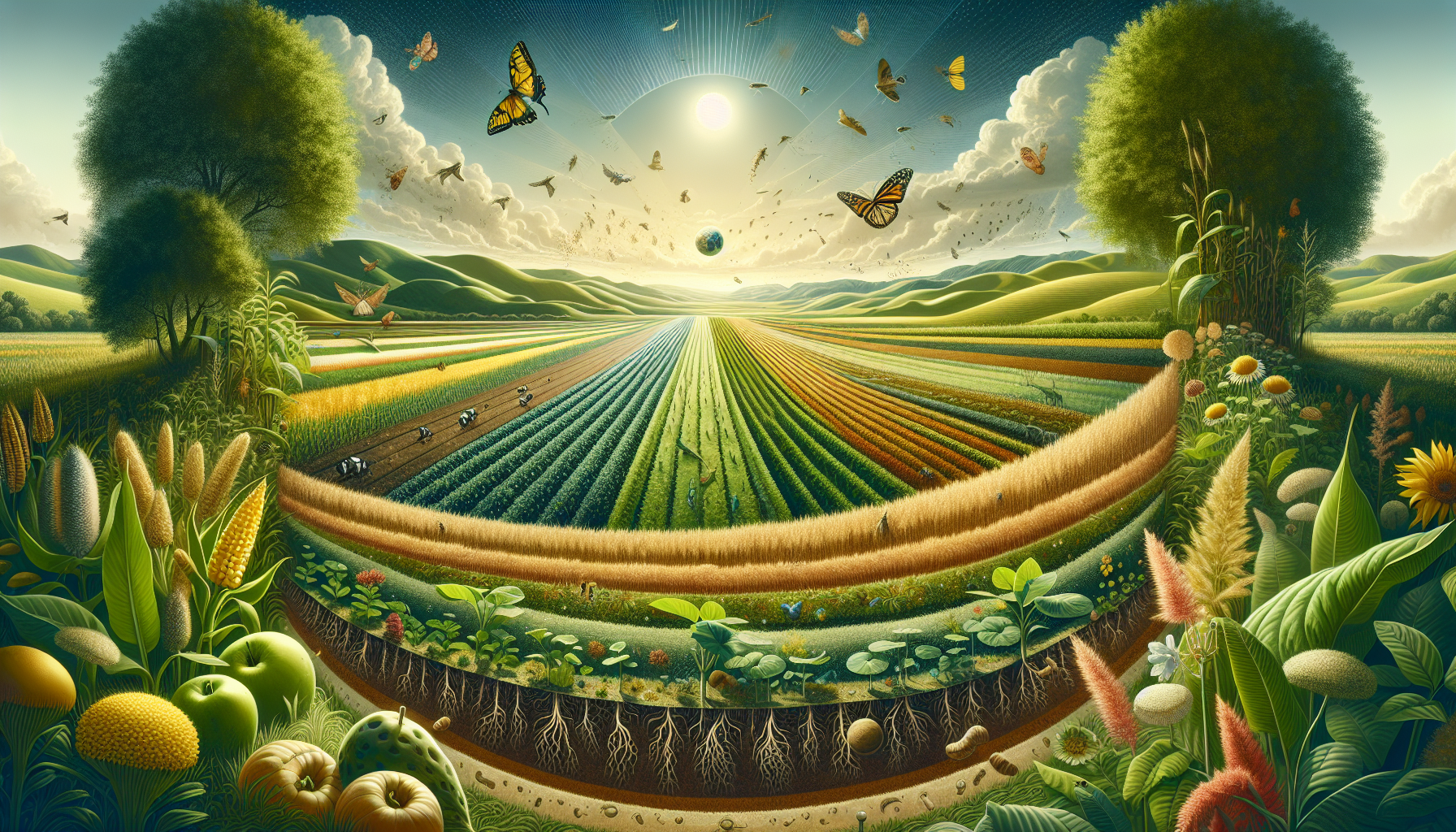
Perhaps most significantly, these practices transform farms into carbon sinks rather than sources, sequestering atmospheric carbon in soil organic matter—a critical tool in our climate resilience toolkit.
Precision Agriculture: Technology Meets Tradition
Modern farming technology enables unprecedented resource efficiency through data-driven decision making. Precision agriculture leverages GPS guidance systems, GIS mapping, sensors, and variable rate technology to apply inputs exactly where and when they’re needed.
The environmental and economic benefits are substantial:
- Fertilizer applications can be reduced by up to 30% while maintaining yields
- Pesticide use decreases through targeted application only where pest pressure exists
- Fuel consumption drops as equipment makes fewer, more efficient passes
- Water usage optimizes through soil moisture sensing and responsive irrigation systems
Field mapping technologies now allow farmers to treat each square meter as its own microenvironment, responding to variations in soil type, elevation, and moisture levels that may occur within a single field. This site-specific management transforms the “one-size-fits-all” approach of industrial agriculture into a nuanced system that respects natural variation.
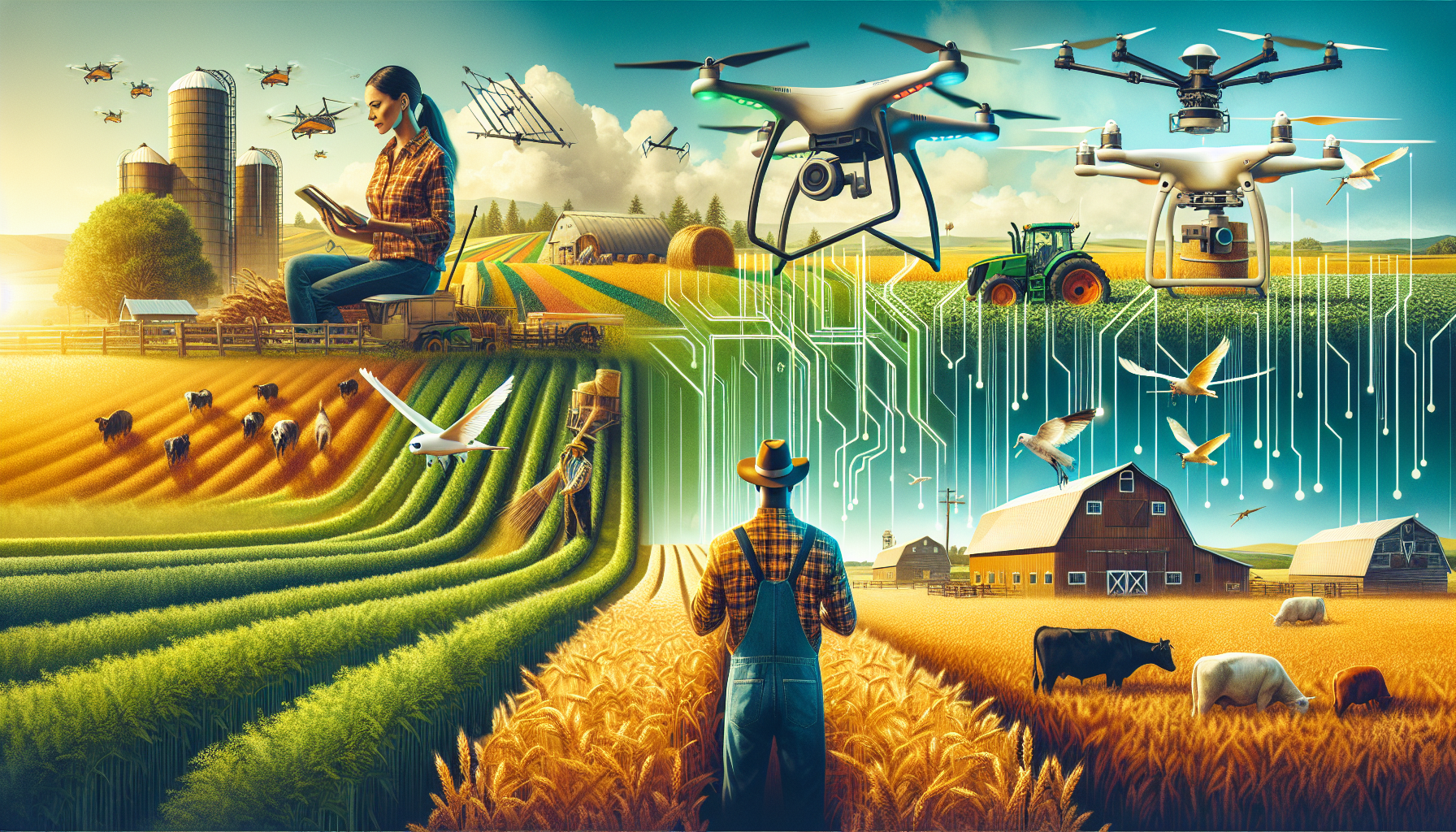
The National Institute of Food and Agriculture continues to support research advancing these technologies to make them more accessible and effective for farms of all sizes.
Water Management: Conserving Our Most Precious Resource
Agriculture accounts for approximately 70% of global freshwater withdrawals, making water conservation perhaps the most critical sustainability challenge facing modern farming. Innovative management strategies are transforming how farms use this finite resource.

Effective water conservation strategies include:
- Drip irrigation: Delivers water directly to plant roots, reducing evaporation by up to 60% compared to conventional methods
- Soil health improvements: Each 1% increase in soil organic matter helps soil hold approximately 20,000 more gallons of water per acre
- Rainwater harvesting: Collection systems capture precipitation for later use during dry periods
- Deficit irrigation: Strategic water stress at certain growth stages can actually improve quality in some crops while saving water
When combined with practices like cover cropping and reduced tillage, these water management techniques create resilient systems that can withstand drought periods while minimizing runoff and groundwater contamination.
Organic Farming: Back to Basics
Organic agriculture represents one of the most well-established sustainable farming frameworks, focusing on natural processes rather than synthetic inputs. While comprising just a fraction of global agriculture, organic practices offer valuable insights for all farming systems.
Core organic principles include:
- Elimination of synthetic pesticides and fertilizers
- Emphasis on crop rotation and diversification
- Biological pest control through beneficial organisms
- Use of compost and manure instead of synthetic fertilizers
Research shows that well-managed organic systems can achieve yields comparable to conventional agriculture, particularly in drought years when soil health advantages become most apparent. These systems also typically use 45% less energy and release fewer greenhouse gases per unit of production.
Beyond production benefits, organic methods significantly reduce farmers’ and consumers’ exposure to potentially harmful agricultural chemicals—a public health benefit that extends far beyond farm boundaries.
Community-Supported Agriculture: Building Local Food Systems
Sustainability extends beyond production methods to encompass how food moves from farm to plate. Community-Supported Agriculture (CSA) models create direct producer-consumer relationships that benefit both parties while reducing transportation emissions and packaging waste.
CSA programs typically feature:
- Direct financial relationships between farmers and consumers
- Shared risk and reward throughout the growing season
- Increased food transparency and consumer education
- Stronger local economies as food dollars remain within communities
These programs represent what SARE identifies as important alternative marketing channels that help farmers capture more value from their products while connecting consumers directly to their food sources.
The COVID-19 pandemic demonstrated the resilience of these local food systems, as many CSAs saw membership surge while conventional supply chains faced disruption—highlighting how sustainability encompasses not just environmental but also economic and social dimensions.
The Path Ahead: Embracing Sustainable Practices
Scaling sustainable agriculture requires coordinated action across multiple fronts. Educational institutions like Southwest Minnesota State University are developing programs that prepare the next generation of farmers to implement sustainable practices.
Meanwhile, the FAO’s Climate Change Strategy is working to transform agrifood systems to be more efficient, inclusive, resilient, and sustainable through coordinated policy approaches.
Key areas for continued advancement include:
- Policy reform: Aligning agricultural subsidies with sustainability outcomes
- Carbon markets: Developing reliable verification systems for agricultural carbon sequestration
- Technology democratization: Making precision agriculture tools accessible to small and medium-sized farms
- Consumer education: Building demand for sustainably produced foods
Particularly promising are efforts to reduce methane emissions from agriculture through improved manure management and livestock feeding practices—interventions that can deliver climate benefits while improving farm profitability.
The future of sustainable agriculture will require balancing technological innovation with ecological wisdom, creating systems that work with rather than against natural processes. The challenges are significant, but the tools and knowledge needed for transformation are increasingly available.
As we face mounting climate pressures and population growth, implementing these sustainable solutions isn’t just environmentally responsible—it’s essential for ensuring long-term food security and agricultural viability. The farmers embracing these practices today are not just growing food; they’re cultivating a more resilient future for us all.