The Essence of Sustainability in Renewable Energy
At its core, sustainable energy encompasses sources that meet our present energy demands without compromising the ability of future generations to meet their own needs. Unlike conventional energy production, which relies heavily on finite fossil fuels, sustainable energy draws from naturally replenishing sources—primarily solar, wind, hydropower, and geothermal power.
The sustainability gap in our current energy landscape is striking: fossil fuels still account for approximately 63% of U.S. electricity generation, while renewables contribute only 18%. This disparity highlights both the challenge ahead and the tremendous opportunity for growth in sustainable energy practices.
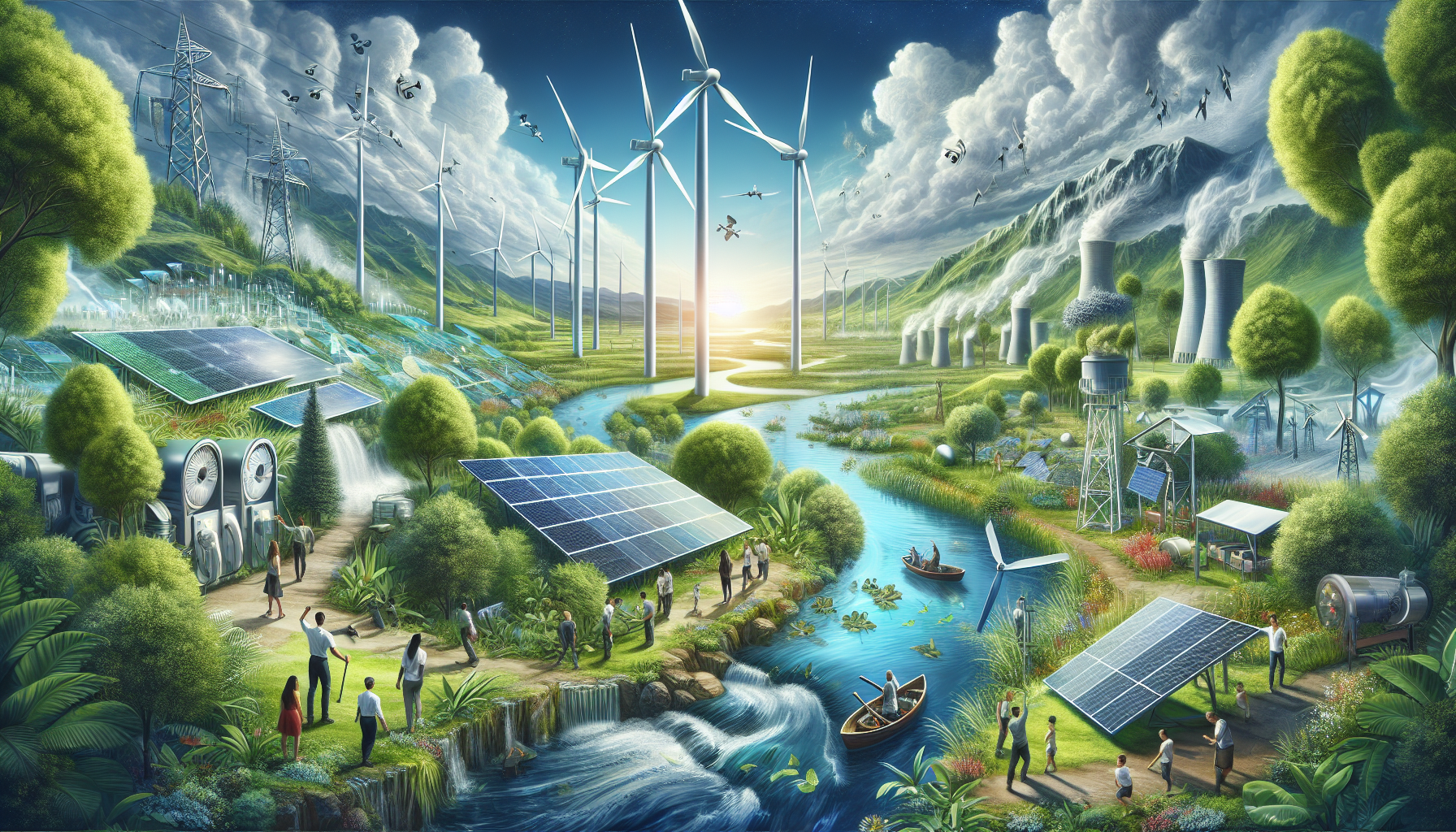
What distinguishes truly sustainable energy sources is their ability to regenerate at rates faster than consumption. Among these, wind and solar rank as the most sustainable options due to their minimal environmental footprint and exceptional scalability—from utility-scale installations to residential applications. Unlike fossil fuel extraction, these technologies can be deployed with relatively minor landscape disruption while producing energy without greenhouse gas emissions during operation.
The distinction between renewable and sustainable energy is subtle but important. While all sustainable energy is renewable, not all renewable energy implementations are equally sustainable. True sustainability in energy production considers the entire lifecycle impact—from manufacturing and installation to operation and eventual decommissioning.
Innovations Driving Sustainable Renewable Energy
Innovation remains the backbone of progress in sustainable energy practices, with breakthroughs consistently improving efficiency while driving down costs. These technological advances are transforming how we harness, store, and distribute renewable energy.
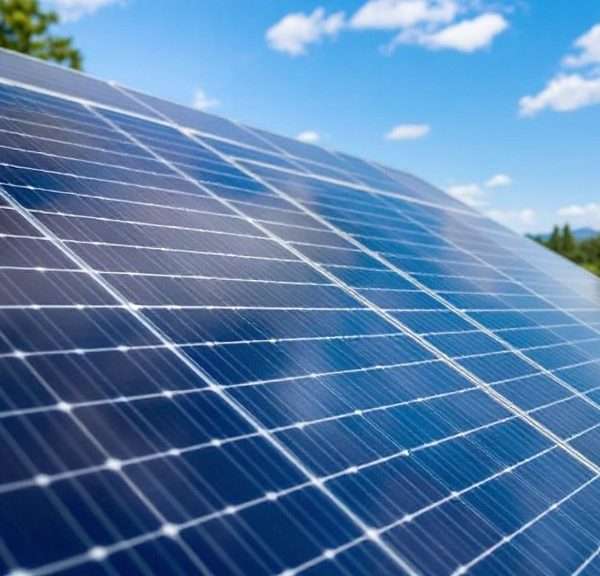
Solar photovoltaic technology has experienced remarkable evolution. Modern panels now achieve conversion efficiencies exceeding 22% in commercial products, with laboratory prototypes reaching over 47%. This dramatic improvement has contributed to making solar the fastest-growing renewable energy source globally, with installations that can be scaled from residential rooftops to massive solar farms.
Wind energy technology has similarly advanced through sophisticated turbine design, smarter control systems, and optimized placement strategies. Today’s turbines can generate electricity in both low and high wind conditions, dramatically increasing capacity factors and reducing the levelized cost of energy.
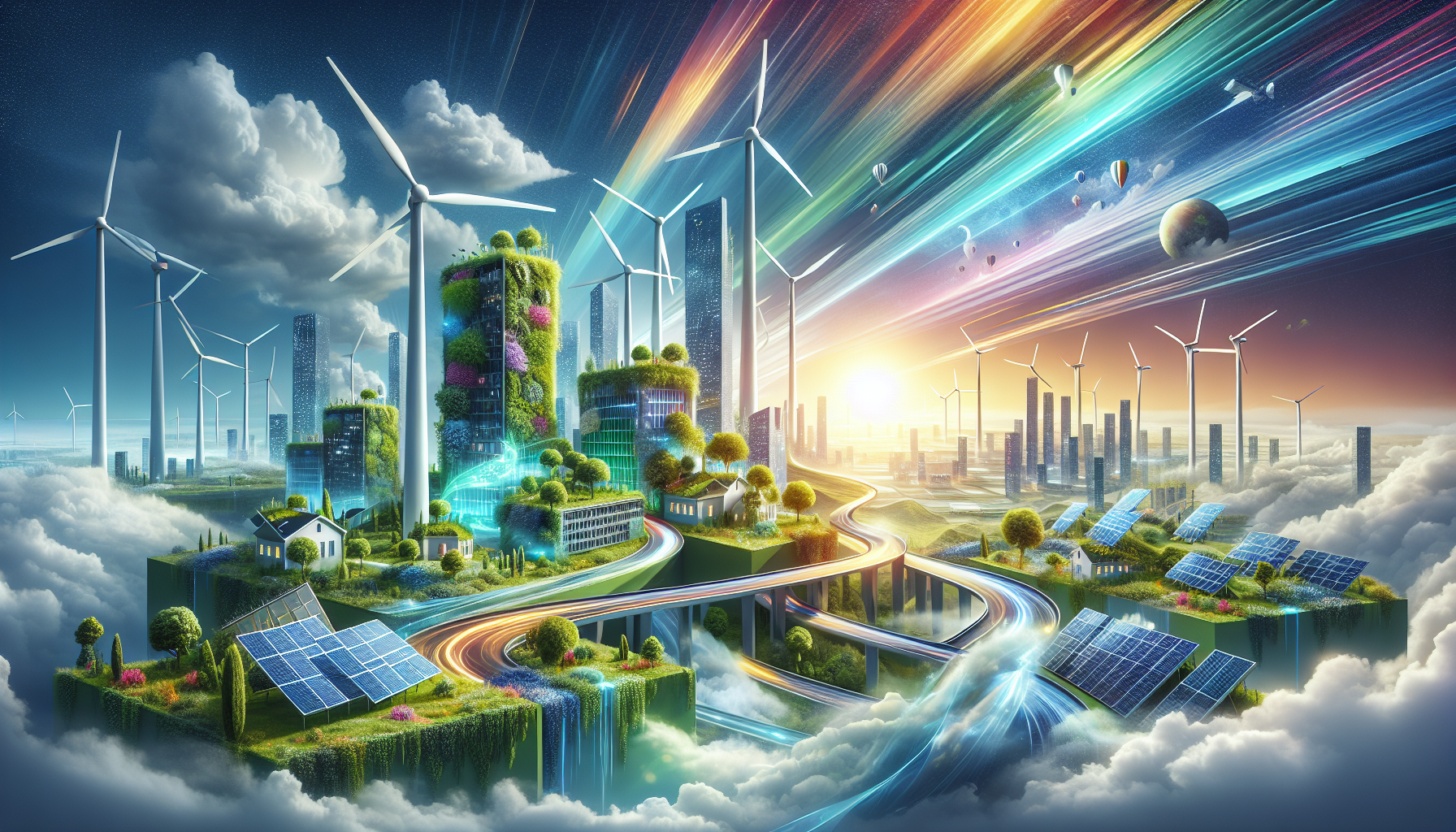
Sustainable practices in renewable energy now extend beyond generation to include:
- Advanced energy storage systems that address intermittency challenges
- Smart grid technologies that optimize distribution and balance load demands
- Hybrid systems that combine multiple renewable sources for greater reliability
- Sustainable manufacturing processes that reduce the carbon footprint of renewable equipment
Notably, biofuels present a more nuanced case for sustainability. While biofuels are renewable, their sustainability credentials depend heavily on production practices. Sustainable biofuel production requires careful management of land use, water resources, and processing methods to ensure genuine environmental benefits.
Policy and Community Engagement for Sustainable Energy
Supportive policy frameworks have proven essential for accelerating the adoption of sustainable practices in renewable energy. Countries and regions with consistent, long-term policy support have seen the most dramatic growth in renewable deployment.
In the United States, renewable energy has reached 22.7% of utility-scale electricity generation in 2024, with wind contributing 10.5% and solar 5.1%. This growth reflects both improving economics and effective policy mechanisms, including tax incentives, renewable portfolio standards, and streamlined permitting processes.
Corporate procurement has emerged as a powerful driver of sustainable renewable energy. Companies increasingly utilize Power Purchase Agreements (PPAs) to secure long-term, fixed-price renewable energy while supporting new project development. These agreements provide financial certainty for developers while allowing businesses to make meaningful progress toward sustainability goals.
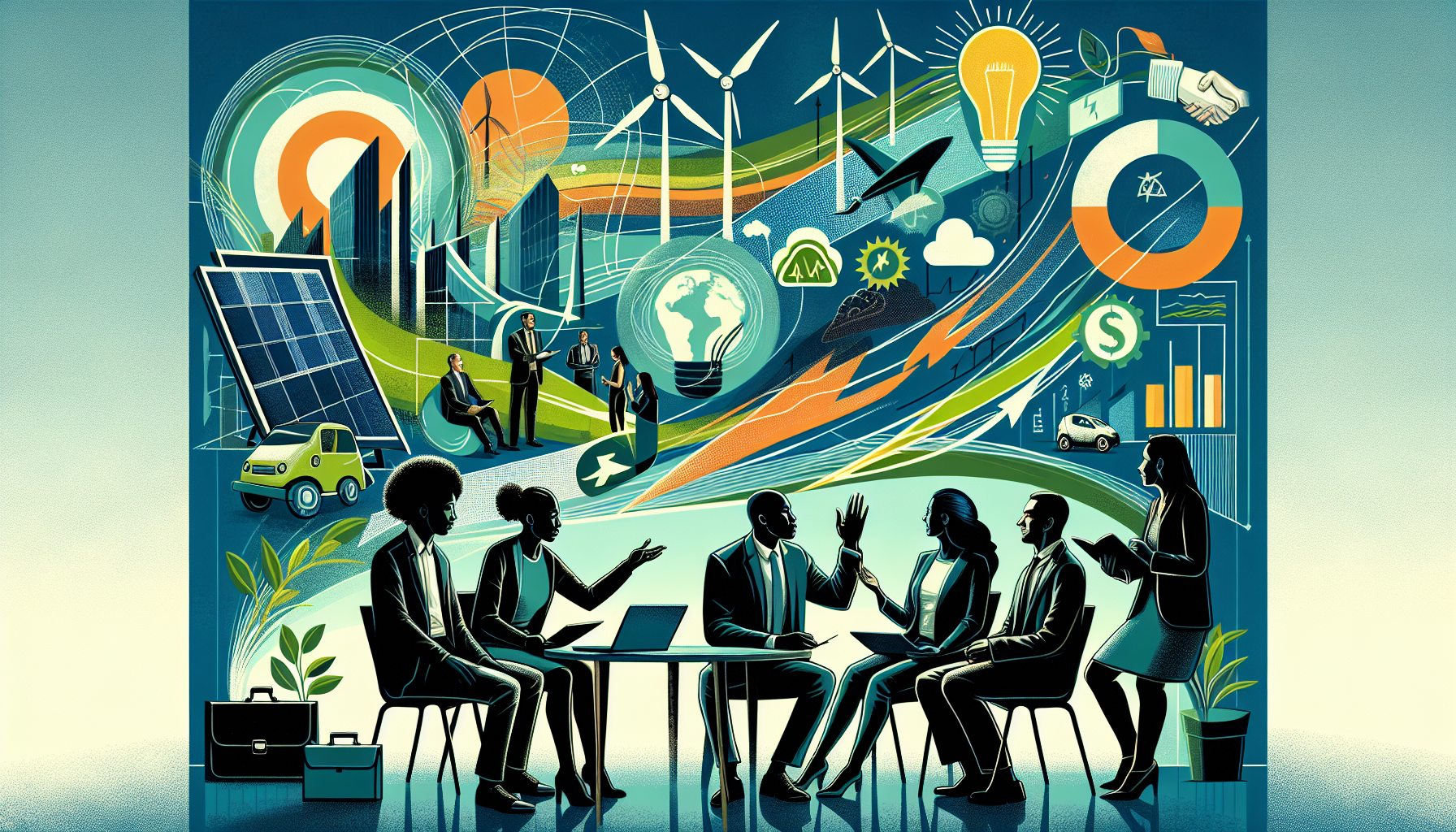
Community engagement represents another vital dimension of sustainable energy practices. Successful renewable energy projects increasingly incorporate:
- Transparent stakeholder consultation processes
- Community benefit agreements that ensure local economic advantages
- Participatory ownership models like community solar that democratize clean energy access
- Educational initiatives that build understanding and support for renewable transitions
When communities are engaged as partners rather than passive hosts, renewable energy projects enjoy greater support and deliver more equitable benefits—a hallmark of truly sustainable development.
Challenges and Opportunities in Sustainable Practices
Despite remarkable progress, significant challenges remain in implementing fully sustainable practices across the renewable energy sector. Addressing these challenges requires innovative approaches and systems thinking.
Intermittency—the variable nature of wind and solar generation—represents a fundamental challenge. Sustainable solutions include advanced battery storage systems, demand response programs, and grid interconnection improvements that enable electricity to flow across broader geographic areas, balancing production fluctuations.
Grid integration challenges require substantial infrastructure investment. Modern renewable energy systems depend on smart grid technologies and IoT optimization to ensure stability and efficiency. These technologies enable real-time monitoring, predictive maintenance, and automated load balancing—essential capabilities for high-renewable electricity systems.
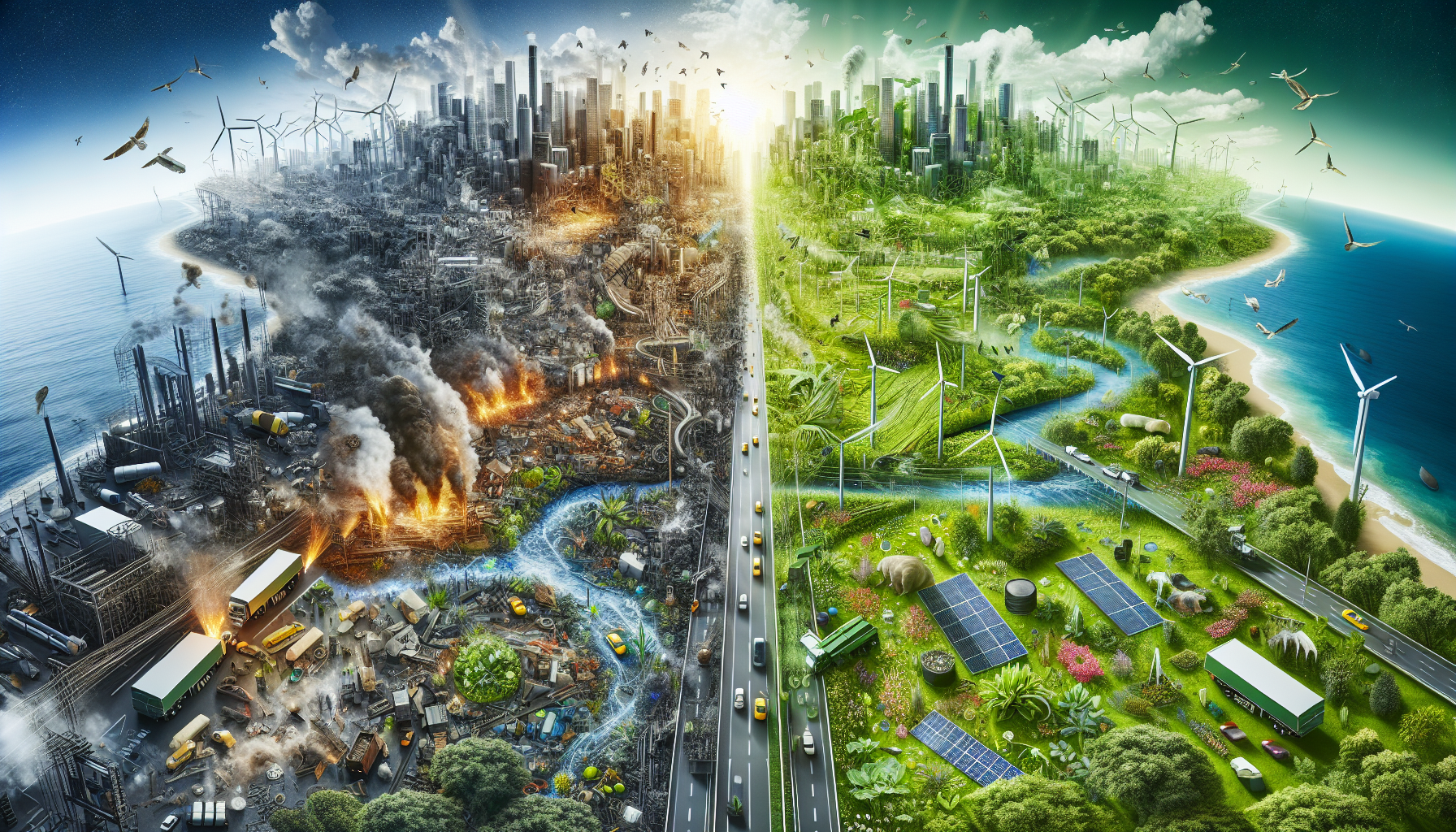
Land use considerations are increasingly important as renewable deployment scales up. Sustainable practices include:
- Co-location of solar with agriculture (agrivoltaics)
- Repurposing degraded lands for renewable energy development
- Floating solar installations on reservoirs and water bodies
- Offshore wind development that minimizes coastal visual impacts
Supply chain sustainability represents both a challenge and opportunity. Building renewable energy supply chains with reduced environmental impacts is essential for minimizing Scope 3 emissions and ensuring that clean energy technology isn’t undermined by unsustainable manufacturing practices.
A Greener Tomorrow: The Future of Sustainable Renewable Energy
The trajectory of sustainable renewable energy points toward a transformative future. Globally, renewables now account for 32% of electricity generation with an impressive 741 GW of capacity added in recent years—a trend expected to accelerate as technologies mature and costs continue to decline.
Future sustainable practices will likely emphasize whole-system approaches that optimize across generation, storage, distribution, and consumption. This integration will create more resilient and efficient energy systems while maximizing environmental and social benefits.
For individuals and organizations looking to participate in this sustainable energy transition, practical actions include:
- Conducting energy audits to identify efficiency opportunities before sizing renewable installations
- Investigating community solar options for those without suitable roof space
- Exploring green power purchasing for businesses unable to install on-site generation
- Supporting policies that facilitate grid modernization and renewable integration
The environmental and health benefits of transitioning to sustainable renewable energy are profound. Beyond addressing climate change by reducing greenhouse gas emissions, this shift substantially improves public health by eliminating the air pollution associated with fossil fuel combustion—a benefit that translates to fewer respiratory illnesses and reduced healthcare costs.
As we navigate the complex challenges of energy transition, one truth remains clear: sustainable practices in renewable energy offer our best path toward an energy system that truly serves both current and future generations. The technologies, policies, and business models to achieve this future exist today—what remains is the collective will to implement them at the necessary scale and speed.