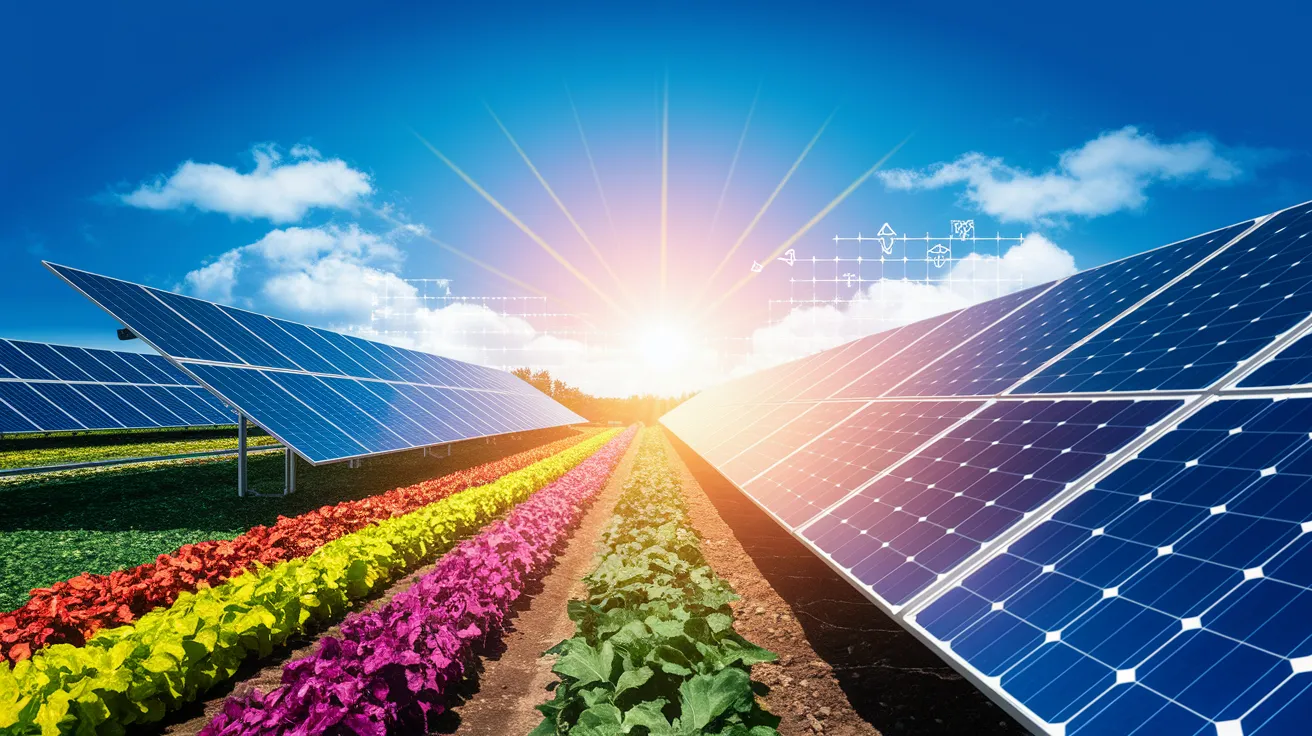
The integration of solar energy technology with agricultural practices represents one of the most promising developments in renewable energy implementation. Sustainable solar farming techniques are transforming how we think about land use, energy production, and food security in an increasingly resource-constrained world.
The Power of Solar Farming
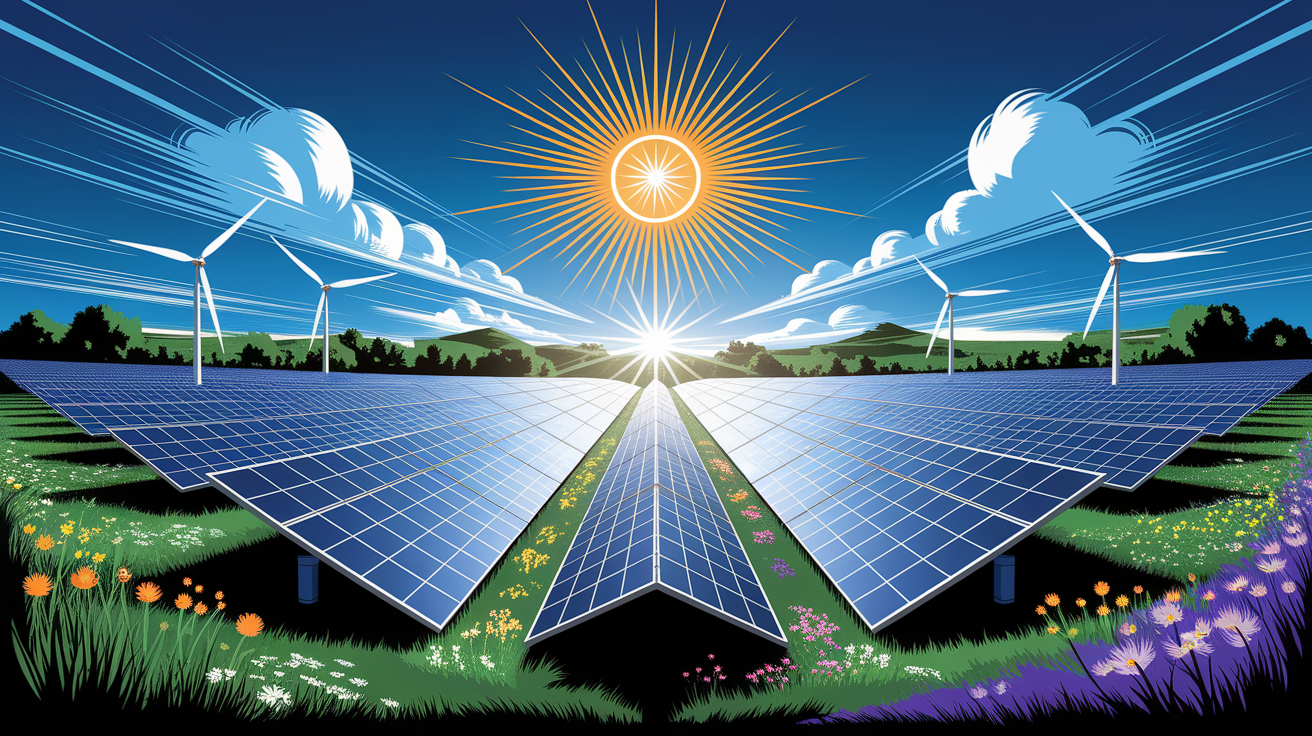
Solar farming merges clean energy generation with land stewardship, offering a dual solution to pressing environmental challenges. Unlike conventional solar installations that focus solely on energy output, sustainable solar farms emphasize responsible land management alongside power production.
Key components of effective solar farming include:
- Strategic site selection that avoids disruption to sensitive ecosystems
- Minimal soil disturbance during installation and operation
- Preservation of native vegetation wherever possible
- Thoughtful integration with existing agricultural activities
This approach has gained traction as farmers and energy developers recognize that solar arrays needn’t compete with agriculture—they can complement it. The 25-30 year operational lifespan of modern photovoltaic systems means these installations represent long-term investments in both energy infrastructure and land stewardship.
Benefits of Sustainable Solar Farming
The advantages of sustainable solar farming extend well beyond renewable energy production, creating a multiplier effect across environmental and economic dimensions.
Environmental Benefits
Sustainable solar farming delivers significant environmental improvements compared to both conventional energy generation and traditional single-use solar installations:
- Reduced greenhouse gas emissions through fossil fuel displacement
- Enhanced biodiversity through native plantings and pollinator habitat creation
- Improved soil health from reduced tilling and chemical applications
- Water conservation through shading and reduced evaporation
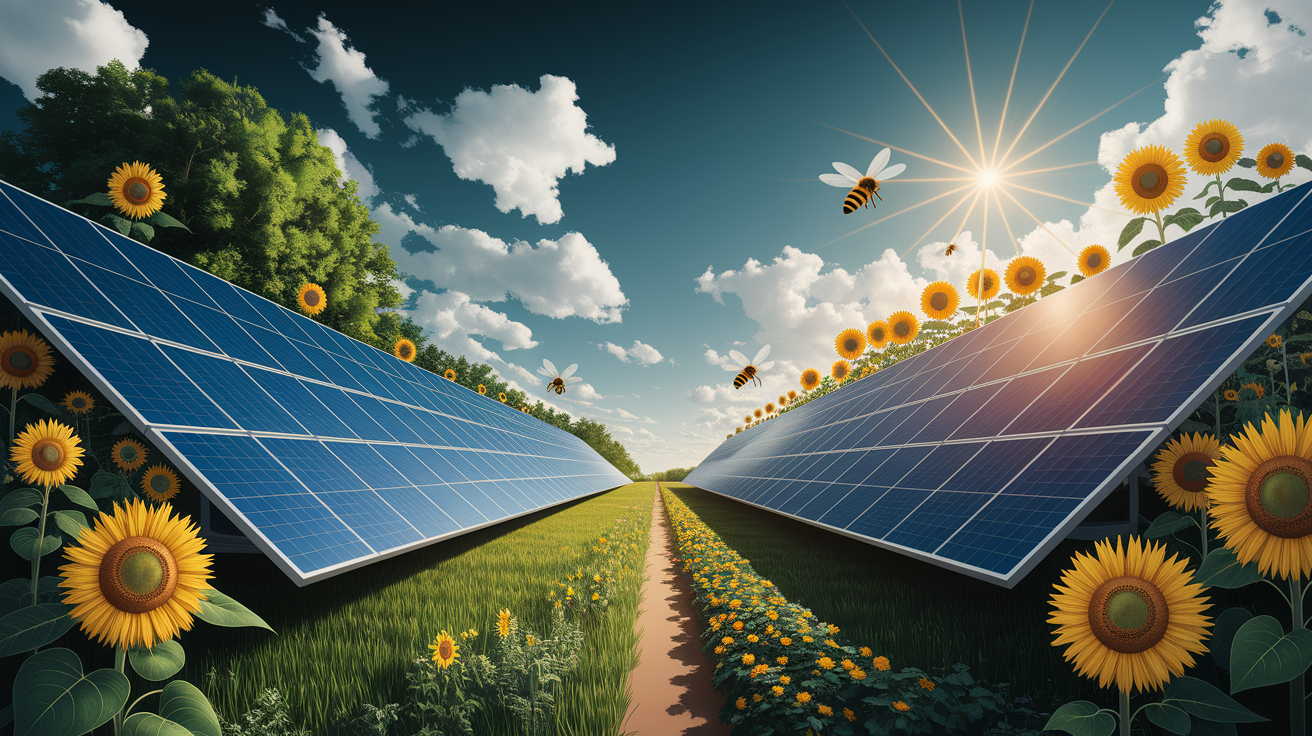
Solar farms that incorporate pollinator-friendly ground cover support crucial insect populations while simultaneously reducing maintenance requirements. These ecological benefits compound over time as soil structure improves and biodiversity increases.
Economic Advantages
The financial case for sustainable solar farming continues to strengthen as implementation costs decrease and operational efficiencies improve:
- Diversified revenue streams for landowners through energy sales
- Reduced vegetation management costs (up to 40% savings with solar grazing)
- Enhanced crop resilience and potential yield improvements in agrivoltaic systems
- Long-term land value preservation through soil conservation
These benefits create compelling economics for both farmers seeking income stability and developers looking to maximize the value of solar investments while building community support.
Innovative Techniques in Solar Farming
Agrivoltaics: The Dual-Use Revolution
Agrivoltaics (also called agrovoltaics) represents the most advanced integration of solar energy with agriculture, allowing land to simultaneously produce crops and generate electricity. This approach creates microclimates that can benefit certain crops by:
- Reducing water stress through partial shading
- Protecting plants from extreme weather events
- Extending growing seasons in some regions
- Creating more stable temperature conditions
Not all crops respond identically to partial shading. Research indicates that many leafy greens, root vegetables, berries, and certain grains can thrive in these conditions. Modern agrivoltaic designs increasingly incorporate adjustable panel systems that optimize light conditions based on crop requirements throughout growing seasons.
Solar Grazing: Natural Vegetation Management
Solar grazing employs livestock—primarily sheep—to maintain vegetation under and around solar arrays. This practice offers multiple benefits:
- Elimination of mechanical mowing costs and emissions
- Natural fertilization of soils beneath panels
- Additional revenue opportunities for local shepherds
- Reduced risk of damage to solar equipment from conventional mowing
Solar grazing programs have demonstrated cost reductions of 30-40% compared to mechanical vegetation management while providing ecological benefits beyond simple maintenance.
Biodiversity Enhancement Strategies
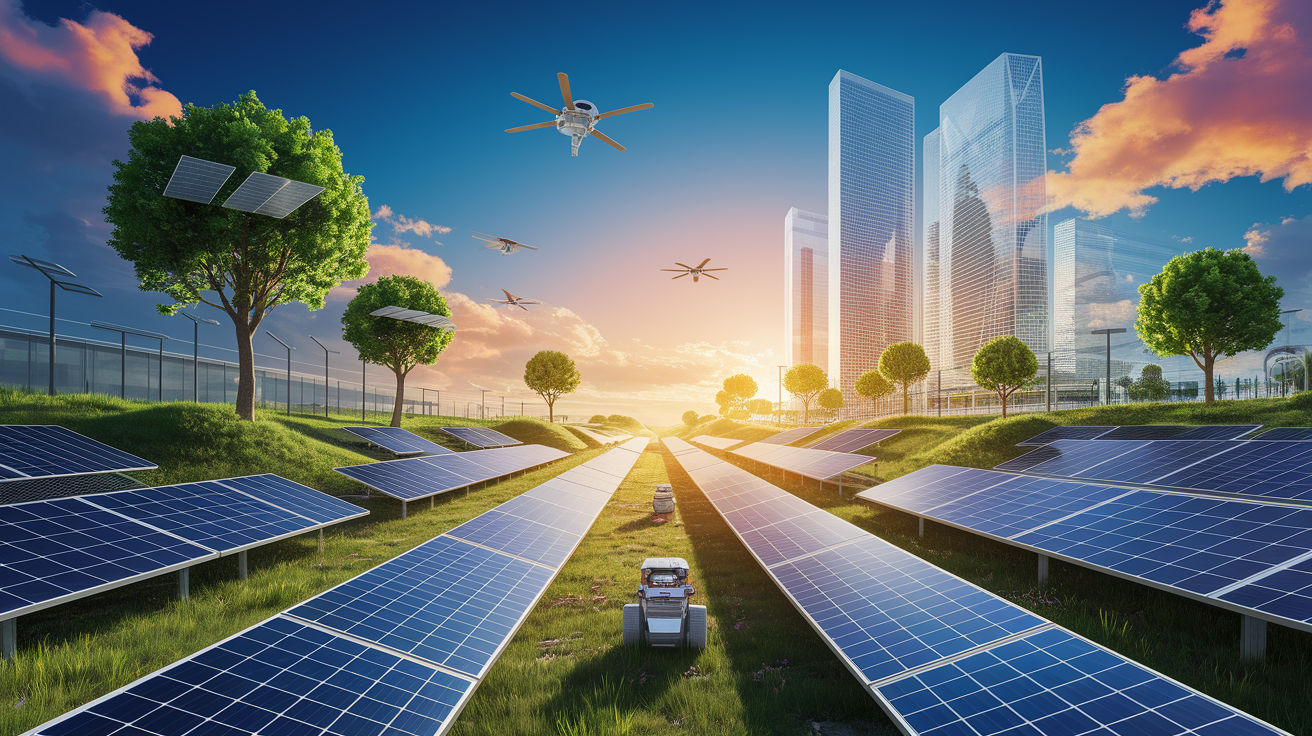
Leading solar farms now incorporate intentional biodiversity planning into their designs:
- Native wildflower plantings between panel rows
- Buffer zones with habitat-specific vegetation
- Bee and butterfly conservation corridors
- Strategic water management features
These approaches transform solar installations from single-purpose energy generators into multifunctional ecological assets that support broader environmental goals while maintaining optimal energy production.
Challenges and Solutions
Despite its promise, sustainable solar farming faces several implementation challenges that require thoughtful solutions:
Technical Considerations
The integration of agricultural activities with solar infrastructure presents unique technical challenges:
- Panel height and spacing requirements for farm equipment access
- Irrigation system compatibility with electrical components
- Optimal panel orientation that balances energy production with crop needs
- Cable management and protection in agricultural environments
Engineering solutions continue to evolve, with specialized mounting systems designed specifically for agrivoltaic applications now entering the market.
Economic Barriers
While the long-term economics of sustainable solar farming are compelling, initial barriers include:
- Higher upfront costs for specialized dual-use systems
- Lack of standardized financing models for hybrid operations
- Limited valuation methodologies for combined agricultural/energy production
- Knowledge gaps among traditional agricultural lenders
Various incentive programs are emerging to bridge these gaps, including specialized grants for agrivoltaic systems and premium power purchase agreements for projects with demonstrated ecological benefits.
Regulatory Framework
The regulatory landscape for sustainable solar farming continues to evolve:
- Zoning restrictions that don’t account for dual-use systems
- Agricultural land protections that may limit solar development
- Interconnection policies that don’t prioritize agricultural integration
- Tax assessment challenges for properties with mixed uses
Progressive jurisdictions have begun implementing specialized permit pathways and tax structures for agrivoltaic projects, recognizing their unique characteristics and benefits.
Future of Sustainable Solar Farming
The next generation of sustainable solar farming will build on current successes while integrating new technologies and approaches:
Technological Advancements
- Semi-transparent panels that selectively transmit photosynthetically active radiation
- Dynamic tracking systems that adjust panel position based on crop needs
- Integrated sensor networks that optimize both energy and agricultural production
- AI-powered management systems that balance multiple production goals
These technologies will further enhance the compatibility of solar infrastructure with agricultural operations, creating truly symbiotic systems rather than mere coexistence.
Scaling and Standardization
As the sector matures, expect to see:
- Standardized design templates for different crop/climate combinations
- Specialized equipment for maintenance of dual-use systems
- Certification programs that validate ecological and agricultural benefits
- Integration with carbon markets and ecosystem service payments
The U.S. Department of Energy and other organizations are actively developing frameworks to accelerate this standardization process while preserving flexibility for site-specific adaptation.
Shining a Light on Sustainable Practices
Sustainable solar farming represents a critical evolution in our approach to land use and energy production. By intentionally designing systems that produce both clean energy and agricultural products, we create resilient operations that deliver multiple benefits:
- Optimized land use efficiency
- Enhanced ecological function
- Diversified revenue streams for rural communities
- Climate mitigation and adaptation simultaneously
For farmers considering solar integration, the key first step is a comprehensive site assessment that evaluates agricultural potential, solar resources, and ecological factors. Working with developers experienced in sustainable approaches rather than conventional solar installations can make the difference between a project that merely generates electricity and one that truly regenerates the landscape.
As climate pressures mount and land use competition intensifies, sustainable solar farming techniques offer a path forward that serves both immediate energy needs and long-term agricultural resilience.