Tunisia Accelerates Large-Scale Solar as New Players Enter Market
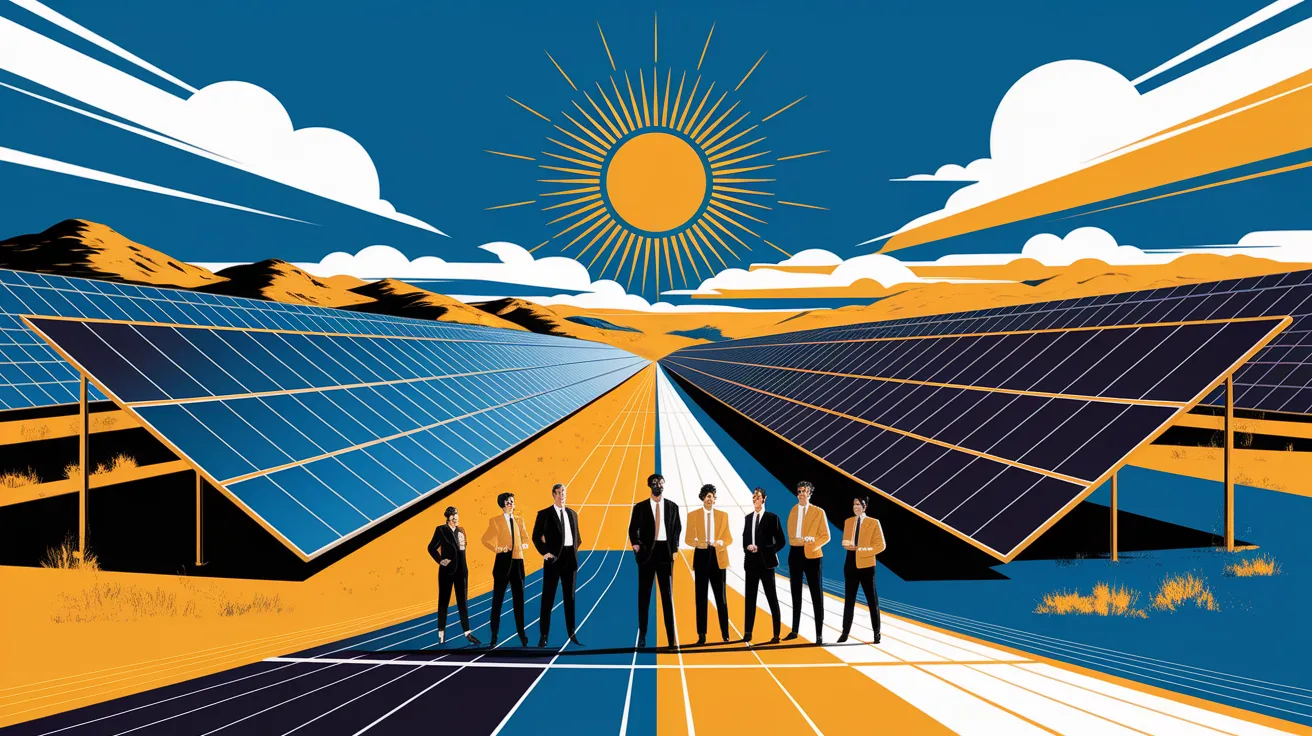
After years of slow progress, Tunisia’s solar energy ambitions are finally gaining momentum — and the pace is quickening. Utility-scale photovoltaic (PV) projects are advancing across the country, new international developers are entering the market, and distributed generation is expanding in parallel. This surge is positioning Tunisia as one of North Africa’s most dynamic emerging solar markets, with potential to reshape its energy mix and strengthen regional power links.
National Targets Driving Deployment
Tunisia has set a target to generate 30–35% of its electricity from renewable sources by 2030, with large-scale solar PV forming the backbone of its strategy. The country’s Tunisian Solar Plan and the 2015 Renewable Energy Law have created a dual policy framework: the concession regime for projects above 10 MW, and the authorization regime for smaller installations. Together, these mechanisms enable both international utility-scale investments and local, distributed generation initiatives.
Utility-Scale Projects Reach Critical Milestones
According to pv magazine, the first concession tender — covering 500 MW across five regions — is delivering tangible results. The 100 MW Kairouan plant is 95% complete and expected online by the end of 2025, while 50 MW plants in Sidi Bouzid and Tozeur are over 80% complete. These facilities will feed directly into the national grid, reducing reliance on imported fossil fuels.
The second concession program, targeting 800 MW, has awarded major projects to international players: Qair International in Gafsa, Scatec in Sidi Bouzid, and Voltalia in Gabès. A separate tender for two 300 MW plants has already assigned a 198 MW project in El Khobna to Qair International SAS, marking one of the largest single-site solar investments in the country.
New Entrants Bring Innovation and Connectivity
Fresh capital and ideas are entering the sector. The Anglo-Tunisian group SoleCrypt is planning a 60 MW plant in Tozeur, with a strategic link to the future Medusa submarine cable. This infrastructure will boost Tunisia’s ability to export clean electricity to Europe and integrate with African power markets, unlocking new revenue streams and improving grid stability.
Distributed Solar Gains Traction
While utility-scale projects dominate headlines, smaller installations under the authorization regime are growing quickly. By mid-2025, Tunisia had issued 54 preliminary agreements totaling 261 MW, with 15 projects operational — including four 10 MW plants and numerous 1 MW systems. Between October 2024 and June 2025, an additional 288 MW was approved, driven largely by small business and commercial rooftop deployments.
Self-generation is also on the rise. The Ministry of Industry, Mines, and Energy estimates nearly 400 MW of low-voltage PV capacity has been installed nationwide, with 70 MW already operational. This distributed model not only complements the national grid but also enhances resilience against regional power disruptions.
Global Support Strengthens Investment Climate
International financiers are backing Tunisia’s renewable transition. In November 2025, the World Bank approved a US$430 million program (TEREG) to modernize the energy sector, aiming to mobilize US$2.8 billion in private investment by 2028. These funds will add 2.8 GW of solar and wind capacity, improve utility performance, and reduce subsidies, creating a more sustainable and competitive energy market.
Competitive solar tariffs, sovereign-backed power purchase agreements (PPAs), and ongoing regulatory reforms are bolstering investor confidence. However, challenges remain — notably the need for grid modernization and streamlined permitting — if Tunisia is to maintain its current growth trajectory.
Implications for Battery and Storage Enthusiasts
For battery technology enthusiasts, Tunisia’s rapid solar buildout signals a coming wave of opportunities. Large-scale PV plants require robust energy storage to balance production and consumption, particularly as exports via the Medusa cable come online. Distributed solar will also benefit from behind-the-meter battery systems, enabling households and businesses to maximize self-consumption, shave peak demand, and protect against grid instability.
Key Takeaways
- Tunisia’s renewable energy push is finally translating into operational projects, with over 1.5 GW of utility-scale solar in the pipeline.
- New market entrants are introducing cross-border connectivity solutions, expanding Tunisia’s role in regional energy trade.
- Distributed solar is complementing utility-scale efforts, strengthening grid resilience and empowering consumers.
- International funding is reducing financial risk and accelerating infrastructure upgrades, paving the way for storage integration.
Outlook: From Ambition to Execution
Tunisia’s solar sector is shifting from promise to performance. If grid upgrades and regulatory streamlining keep pace, the country could surpass its renewable targets ahead of schedule, becoming a net exporter of clean electricity. For investors, developers, and technology providers — including battery innovators — the next three years will be decisive in shaping Tunisia’s role in the Mediterranean’s energy future.