Fy2029 Renewable Energy Construction Spending to Peak at $23 Billion: Report
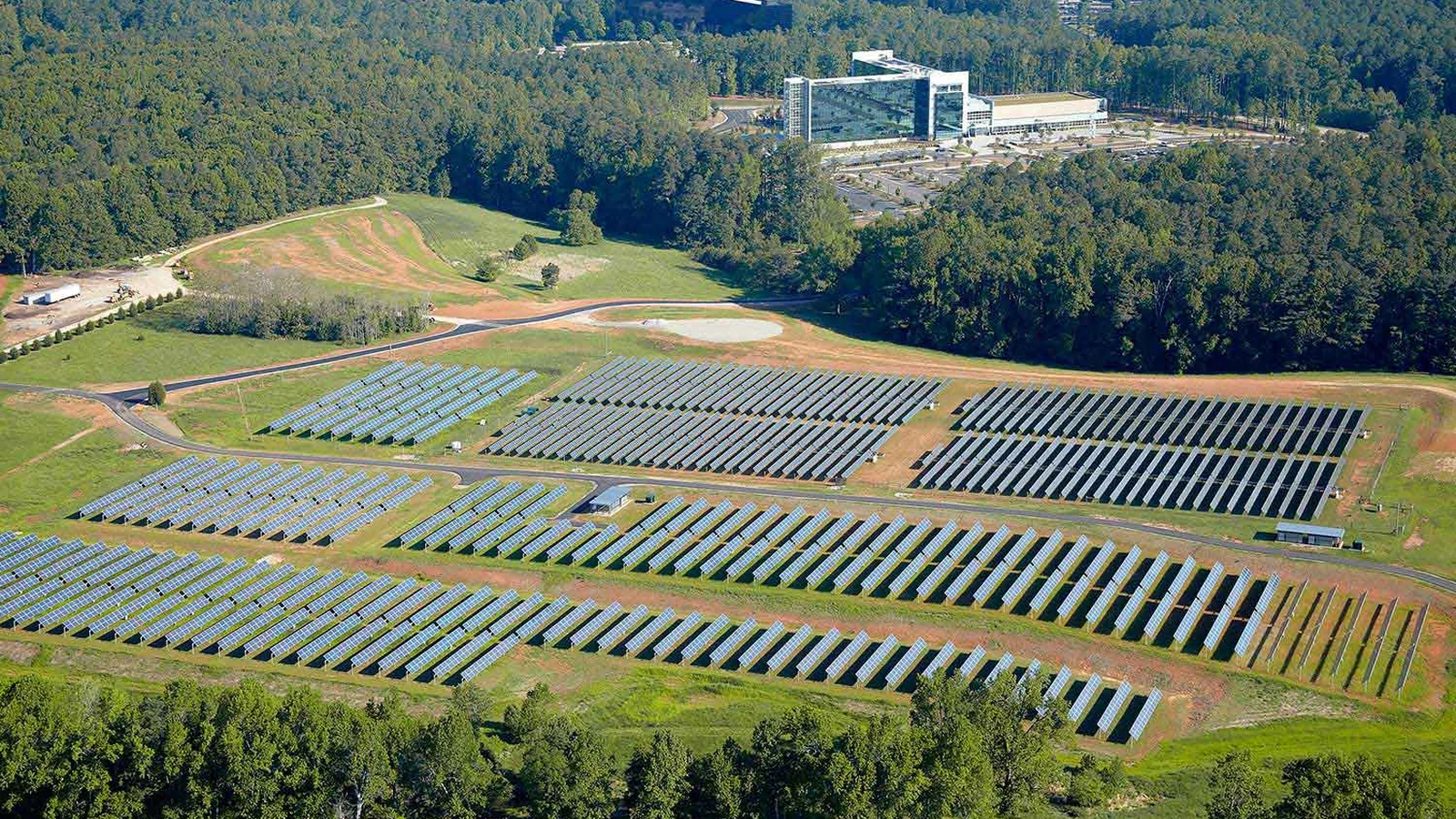
From Modest Growth to Infrastructure Surge
This surge is powered by four main sectors:
- Transmission Infrastructure: Mega projects like CopperString 2.0, HumeLink, and Marinus Link will connect renewable generation to load centres.
Battery Storage: The Quiet Giant of the Energy Transition
Historical record as of the page’s cited publication date: While wind energy will command the largest slice of FY2029 spending, battery storage is emerging as the strategic enabler of the transition; Large-scale battery systems provide essential frequency control and peak-shaving capabilities, allowing variable renewables to integrate smoothly into the grid The spending plan and project statements above should be checked against the latest federal budget documents before relying on them.
For developers, battery projects are increasingly linked to hybrid systems, combining solar and wind generation with onsite storage to meet both commercial and grid requirements.
Global Context: Australia in the Renewable Big Leagues
The spending peak aligns with global market trends. As highlighted by the Renewable Institute, worldwide renewable energy investment is projected to grow from $1.3 trillion in 2024 to $2 trillion by 2029. Offshore wind and distributed solar are leading the charge, with $386 billion invested globally in the first half of 2025 alone.
or China, but it places the nation firmly among the fastest-growing renewable construction markets per capita, bolstered by policy certainty and declining technology costs.
Risks That Could Slow the Momentum
The bullish forecast is tempered by several structural challenges:
- High Construction Costs: Inflation and supply chain constraints increase project capital requirements.
- Grid Connection Delays: Complex approval processes and transmission bottlenecks can stall timelines.
- Financing Hurdles: Developers often require corporate Power Purchase Agreements (PPAs) to secure lender confidence.
Macromonitor warns that post-2030, renewable construction activity could experience a moderate downturn. However, even with reduced pace, activity would remain well above historical averages—ensuring continued growth in total renewable generation capacity.
What This Means for Battery Enthusiasts
For Australia’s growing base of battery system investors and technology developers, the next five years present a rare convergence of market opportunity and policy support. The integration of large-scale storage into utility projects will not only stabilize the grid but also open new commercial models, including capacity trading and demand response services.
Takeaway
For stakeholders—from utility operators to battery innovators—the coming years will be defined by execution at scale, integration of diverse technologies, and navigation of cost and regulatory complexities. The opportunity is clear: those who position now will ride the crest of Australia’s most significant energy infrastructure transformation in decades.
How to verify the numbers on this page
This page covers Fy2029 Renewable Energy Construction Spending to Peak at $23 Billion: Report.[1] Figures here depend on the exact model, site, policy, study, test method, operating conditions, system boundaries, and comparison baseline. Verify current manufacturer, regulator, standard, or primary-research documents before acting.
[1] Check the documents in the Sources section on this page for the figures this page repeats.
Next article →