
A Perfect Pair – Introduction to Wind-Solar Hybrid Systems
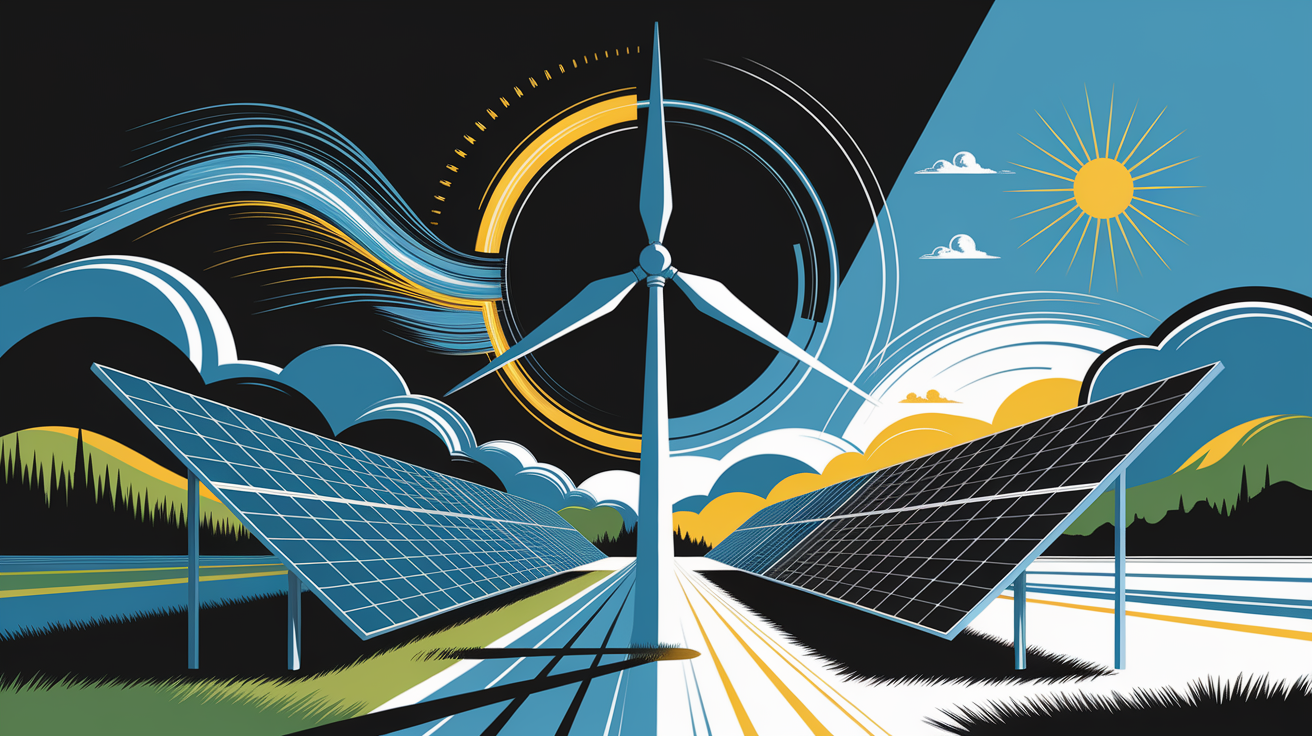
Wind-solar hybrid systems represent a breakthrough in renewable energy technology, combining the complementary strengths of solar photovoltaic panels and wind turbines to deliver consistent, reliable power generation. These integrated systems address one of renewable energy’s most persistent challenges: intermittency. While solar panels peak during sunny daylight hours, wind turbines often generate maximum power during evening hours or different weather conditions, creating a natural balance that maximizes energy production throughout the day.
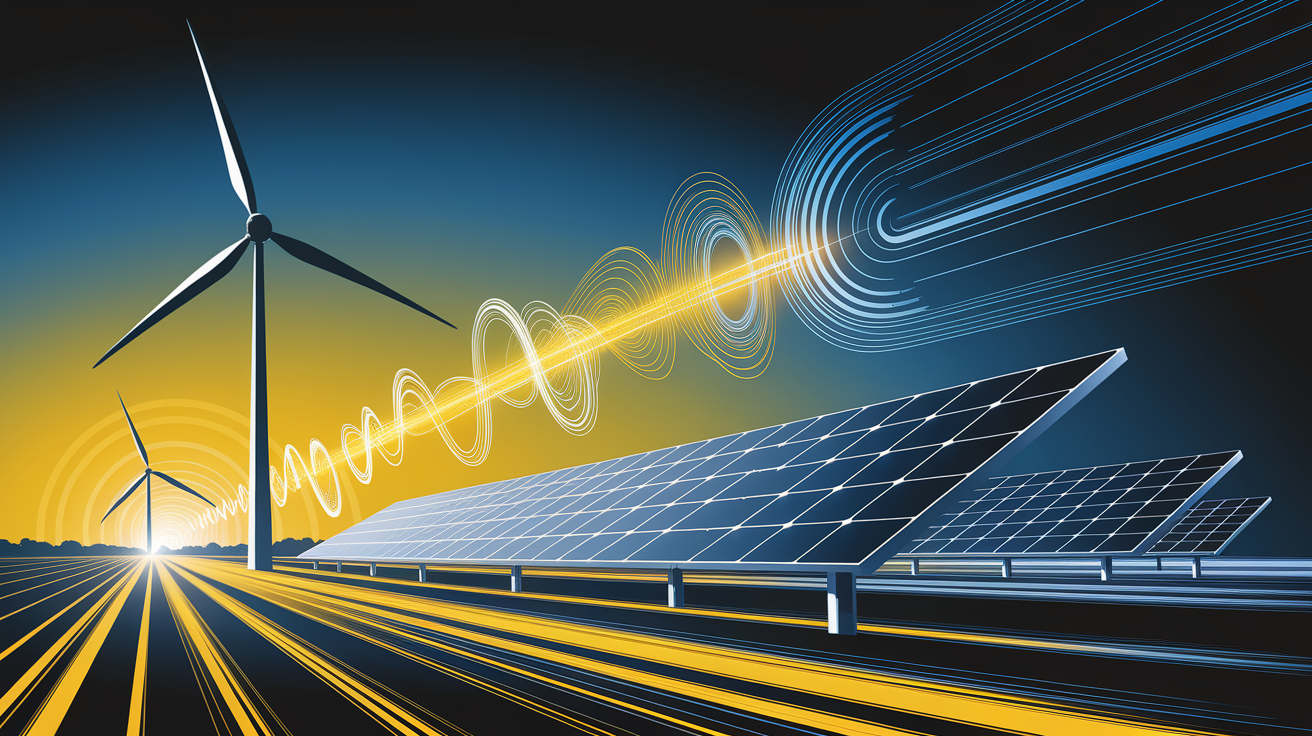
This hybrid approach transforms how we think about clean energy solutions, offering enhanced energy independence and system reliability that neither technology achieves alone. For residential, commercial, and remote applications, these systems deliver practical benefits that make renewable energy more viable and cost-effective than ever before.
How Do Wind-Solar Hybrid Systems Operate?
A wind-solar hybrid system integrates multiple energy conversion technologies through sophisticated power management systems. The operation centers on seamlessly combining two distinct energy sources while maintaining stable power output.
Core System Components
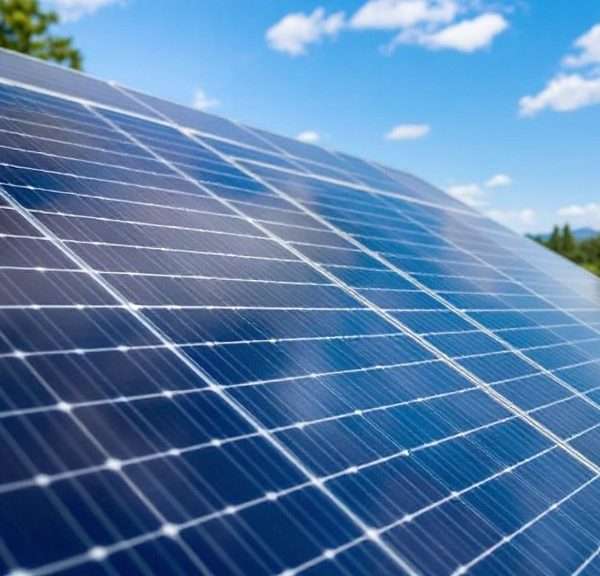
- Solar PV panels convert sunlight directly into DC electricity through photovoltaic cells
- Wind turbines (both horizontal axis wind turbine and vertical axis wind turbine designs) convert wind kinetic energy into AC electricity
- Hybrid inverters manage power conversion between DC and AC sources
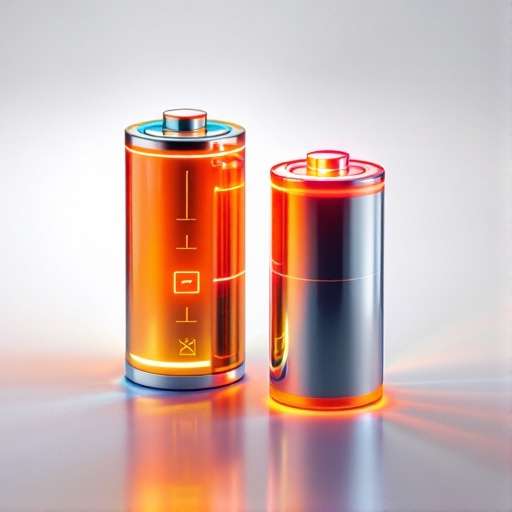
- Battery storage systems using deep cycle batteries store excess energy for later use
- Charge controllers regulate energy flow and prevent battery overcharging
- Energy management systems optimize power distribution based on real-time demand
System Integration Methods
Modern hybrid systems utilize either DC coupling or AC coupling architectures. DC coupling connects both solar panels and wind turbines to a common DC bus before conversion, maximizing efficiency for battery charging. AC coupling allows each energy source to operate independently with separate inverters, providing greater flexibility for system expansion and maintenance.
The control system dynamically manages charging, discharging, and load supply based on real-time solar irradiance, wind speed, and energy demand. Advanced SCADA systems enable remote monitoring and optimization, ensuring steady power supply and maximum system efficiency.
Key Benefits of Wind-Solar Hybrid Systems
Enhanced Energy Reliability
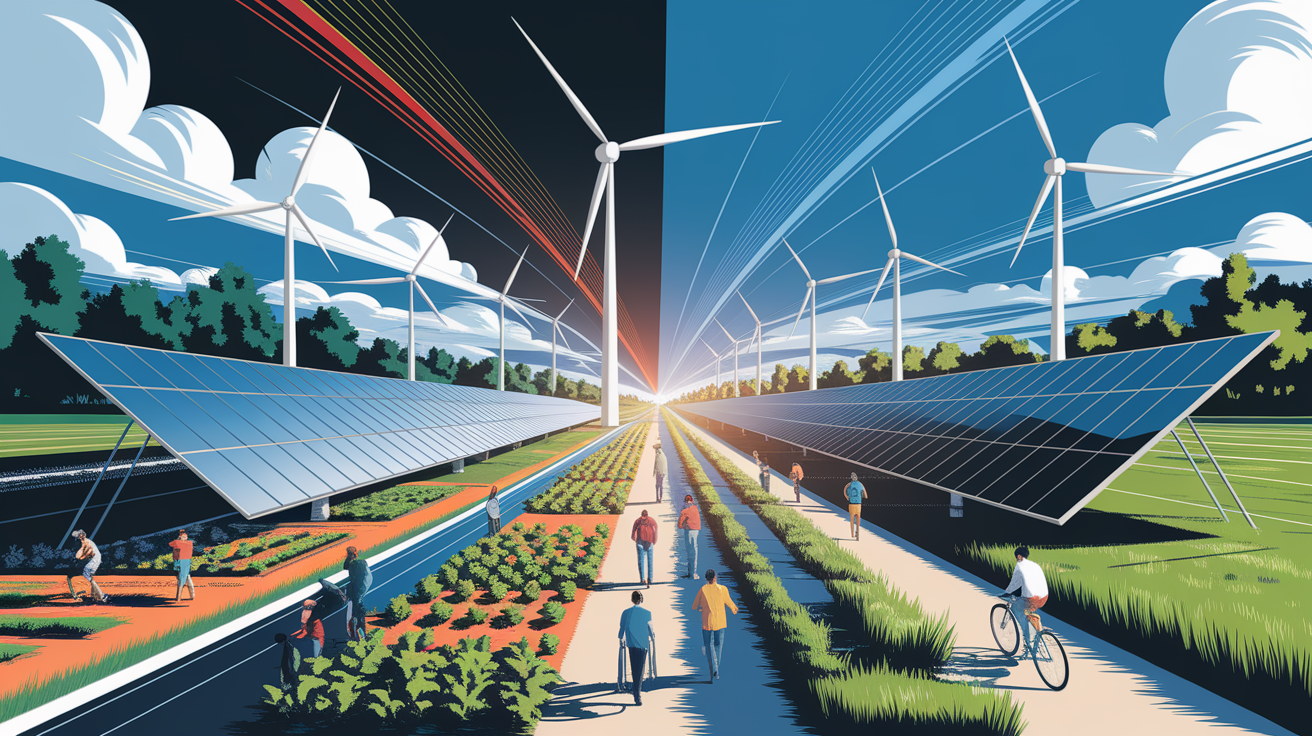
The primary advantage of hybrid renewable energy systems lies in their complementary generation profiles. Solar power typically peaks between 10 AM and 4 PM, while wind energy often reaches maximum output during evening hours or seasonal weather patterns. This natural complementarity significantly reduces the intermittency of renewables, delivering more consistent power generation than single-source systems.
Improved System Efficiency
Hybrid systems achieve higher capacity factors—often 40-60% compared to 25-35% for standalone solar or wind installations. This improved efficiency translates directly into better return on investment and reduced levelized cost of electricity over the system’s lifetime.
Optimized Energy Storage
Battery banks in hybrid systems experience more consistent charging cycles, extending battery life and improving overall energy storage solutions performance. The varied charging patterns from both sources prevent deep discharge cycles that typically shorten battery lifespan in single-source systems.
Reduced Infrastructure Costs
Sharing common infrastructure components—including inverters, battery storage, monitoring systems, and grid connections—reduces per-kilowatt installation costs compared to separate solar and wind installations. This shared infrastructure approach makes hybrid systems increasingly cost-effective for both residential and commercial applications.
Planning and Implementation Considerations
Resource Assessment Requirements
Successful hybrid system implementation begins with comprehensive solar and wind resource assessment. Solar irradiance data should span at least one full year, measuring both direct and diffuse radiation. Wind resource evaluation requires wind speed measurements at proposed turbine hub heights, typically collected over 12-24 months to account for seasonal variations.
System Sizing and Configuration
Proper system sizing balances energy generation capacity with storage requirements and load demands. Key factors include:
- Peak and average daily energy consumption
- Seasonal variation in both energy resources and demand
- Desired autonomy period during low-resource conditions
- Available space and zoning restrictions for both solar panels and wind turbines
Technology Selection
Component selection significantly impacts system performance and longevity. High-efficiency solar cells and modern wind turbine designs with low cut-in speeds optimize energy capture in variable conditions. Advanced power electronics, including high-frequency switching power supplies, enhance power quality and system reliability.
Power inverters and controllers must handle the dynamic nature of dual-source input while maintaining stable output voltage and frequency. Smart inverters with grid-forming capabilities enable seamless operation in both grid-tied and off-grid configurations.
Overcoming Common Challenges
Managing Initial Capital Investment
While hybrid systems require higher upfront investment than single-source installations, the improved capacity factor and reduced infrastructure duplication often justify the additional cost. Financial incentives, including federal tax credits and state rebates, can significantly reduce net system costs. Additionally, the enhanced reliability reduces long-term maintenance and replacement costs.
System Complexity and Control
Modern energy management systems have simplified hybrid system operation through automated control algorithms. These systems continuously optimize power generation, storage, and consumption without requiring manual intervention. Smart control systems and monitoring provide real-time performance data and predictive maintenance alerts, reducing operational complexity.
Grid Integration Challenges
For grid-tied systems, power quality and grid stability requirements demand sophisticated inverter technology. Modern hybrid inverters provide grid support functions, including voltage regulation and frequency response, contributing to overall grid stability rather than creating additional challenges.
Maintenance and Service
Hybrid systems require maintenance expertise for both solar and wind technologies. However, the improved system reliability often reduces emergency service calls. Preventive maintenance schedules can be optimized using system monitoring data to predict component performance and schedule service during planned downtime.
Sun, Wind, and What’s Next – Conclusion
Wind-solar hybrid systems represent a mature, practical solution for reliable renewable energy generation. Their ability to deliver consistent power while maximizing resource utilization makes them ideal for applications ranging from remote off-grid installations to large-scale microgrids. As battery technology continues improving and system costs decline, these hybrid power systems will play an increasingly important role in our transition to sustainable energy infrastructure.
For those considering renewable energy investment, hybrid systems offer compelling advantages: enhanced reliability, improved economics, and reduced environmental impact. The key to success lies in proper system design, quality component selection, and professional installation that accounts for local resource conditions and energy requirements.