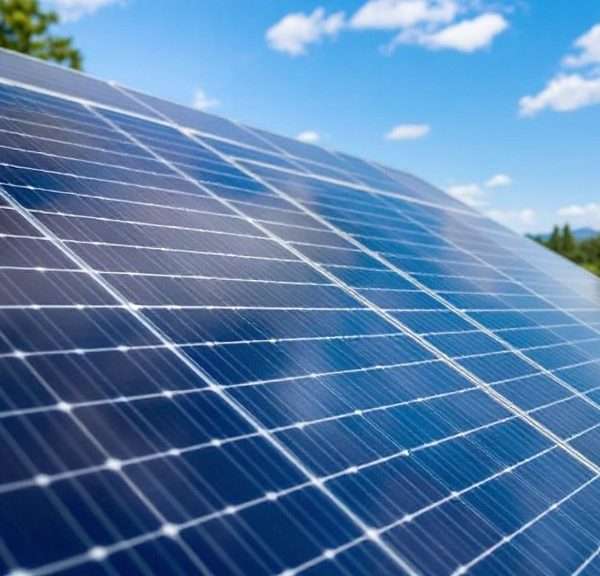

The Canadian International Trade Tribunal (CITT) has initiated an interim review of the anti-dumping and countervailing duties related to solar modules and laminates imported from China. This review, triggered by a specific request from Kings Solar Solutions, aims to exclude flexible solar panels designed for curved surfaces from these duties. This pivotal decision could reshape the landscape for solar technology in Canada, impacting both manufacturers and consumers.
Understanding the Review Process
Founded under the Special Import Measures Act (SIMA), the CITT assesses whether the imposition of duties is necessary to protect the domestic industry. The current review revolves around the order RR-2020-001, which was originally established on March 25, 2021. It encompasses a wide array of solar products, including crystalline silicon and thin-film technologies. The request for exclusion focuses specifically on flexible modules, which pose unique challenges in terms of classification and enforcement.
- Original order covers crystalline silicon and thin-film products.
- Exclusions already exist for low-wattage modules (under 100 W) and non-power-producing appliances.
- Kings Solar’s request seeks to expand these exclusions to include specialized applications.
Economic Implications for the Solar Industry
The economic ramifications of these duties are significant. For domestic manufacturers like Silfab and Heliene, the duties help protect local jobs and production capabilities. However, they also raise costs for installers and developers who rely on imported components, potentially slowing the deployment of solar projects. The conflicting interests highlight the ongoing tension between protecting domestic capabilities and ensuring access to innovative technologies.
Impact on Pricing and Project Economics
The imposition of duties can increase the cost of solar modules, which in turn affects the overall pricing strategies within the Canadian market. Previous provisional duties varied significantly, depending on the exporter, which complicates financial planning for solar projects. As the interim review unfolds, stakeholders will need to monitor how these duties influence procurement strategies and project feasibility.
International Context and Future Considerations
This review is not occurring in isolation; it reflects a broader trend of trade actions against Chinese solar products witnessed globally. The United States, European Union, and India have all engaged in similar anti-dumping and countervailing measures, creating a complex web of international trade dynamics that affects solar supply chains. The outcome of Canada’s review could set a precedent for future trade policies and affect global module flow and manufacturers’ routing strategies.
As the solar industry continues to evolve, the need for flexible, innovative solutions—like those Kings Solar seeks to exclude from duties—becomes increasingly vital. The review not only addresses immediate economic concerns but also contributes to discussions on sustainability and energy independence.
Takeaways for Industry Stakeholders
For battery enthusiasts and industry professionals, this interim review serves as a critical reminder of how regulatory landscapes can impact technological advancement and market strategies. Key takeaways include:
- Stay informed about the CITT’s decision, as it could directly affect module availability and pricing.
- Consider the implications of increased costs on project economics and potential funding strategies.
- Engage in discussions about the need for flexible solar technologies in various applications and advocate for supportive policies.
The outcome of this review will be closely watched, not just in Canada, but globally, as it aligns with the ongoing push for enhanced sustainability and innovation in renewable energy technologies.