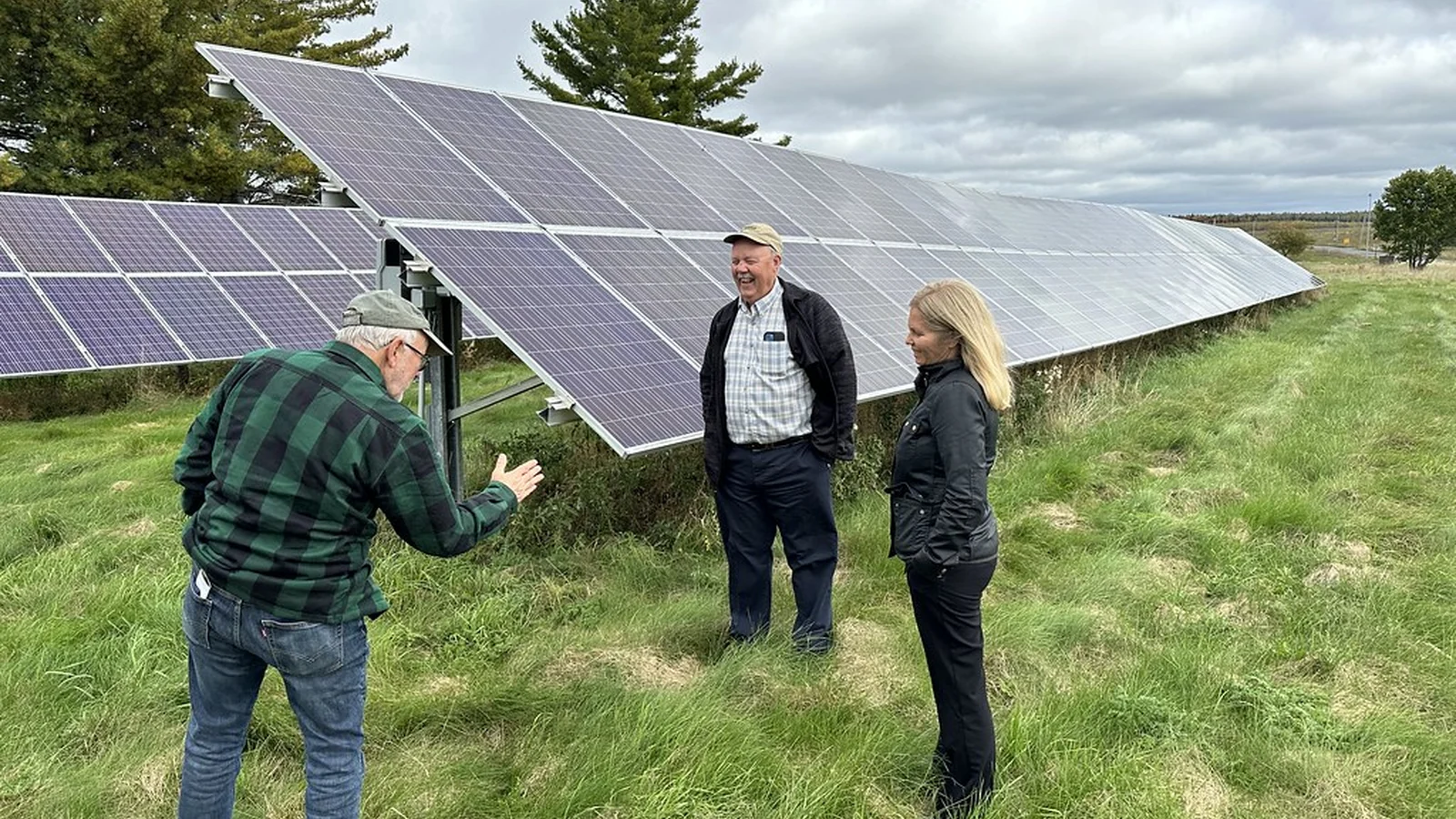
As solar panels increasingly dot America’s landscapes, they’re generating more than just clean electricity—they’re powering job creation at an unprecedented rate. The renewable energy transition isn’t just reshaping our grid; it’s transforming local economies and labor markets across the nation.
The Immediate Job Boost from Solar Energy
The solar industry has emerged as a powerhouse of employment, currently supporting over 370,000 jobs nationwide, accounting for more than 60% of all renewable energy generation positions in the United States. This remarkable footprint represents a dynamic sector that added over 6,000 new positions between Q4 2023 and Q4 2024 alone.
Construction dominates the employment landscape with 181,671 positions, followed by professional services at 58,487 jobs. The residential solar sector remains particularly robust, with installation and project development accounting for 79,633 jobs—45% of that segment.

The immediate impact is felt across various scales of development:
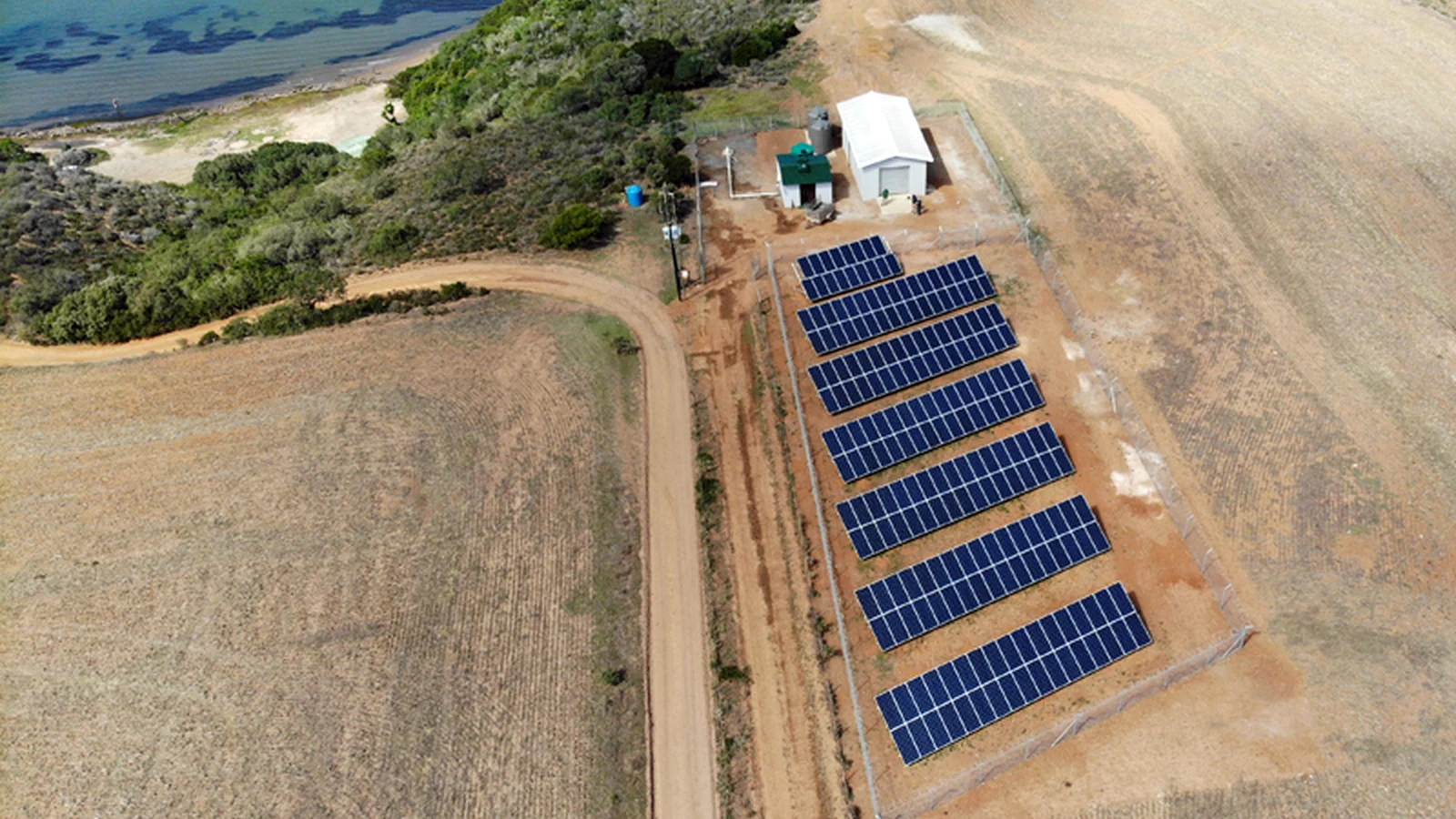
- Utility-scale solar: 58,351 jobs (33% of the sector)
- Commercial installations: 25,823 positions (14%)
- Community solar projects: 14,906 workers (8%)
Most impressively, solar jobs represented a staggering 82% of all new energy industry positions added in 2024, demonstrating the sector’s outsized contribution to America’s evolving energy workforce.
Long-Term Employment Opportunities
The solar employment trajectory points firmly upward, with growth rates that consistently outpace the broader economy. The sector expanded by 5.9% in 2023, with utility-scale employment climbing even faster at 6.8%.
Looking ahead, the Bureau of Labor Statistics projects solar PV installer positions to grow by 42% through 2034—nearly ten times the average growth rate for all occupations. This expansion will create approximately 4,100 job openings annually for the next decade.

What’s particularly striking about solar’s employment story is its sustained momentum. From 2010 to 2019, the industry grew by an impressive 167%, driven by plummeting panel costs and rising clean energy demand. More recently, jobs increased by 12% from 2019 to 2024, while capacity surged an astounding 286% during the same period—evidence of significant labor efficiency gains as the industry matures.
Manufacturing represents another bright spot in the long-term outlook. Currently supporting 32,491 jobs, manufacturing employment could reach 75,000 positions by decade’s end as domestic production capacity expands in response to federal incentives and supply chain pressures.
Economic Ripple Effects
Solar energy’s economic impact extends far beyond direct employment, creating ripple effects that benefit communities in all 50 states—from urban centers to rural regions seeking economic diversification.
Surprisingly, some of the most dramatic growth is occurring in states not traditionally associated with renewable energy. Montana and Wyoming saw renewable energy job growth of 15.6% and 15% respectively between 2023 and 2024, with solar leading this expansion despite their relatively small installed capacities.
Regional trends highlight the broad-based nature of this growth:

- The South experienced 13% clean energy job growth from 2021 to 2024
- Southern and Western states are projected to add over 500,000 new clean energy positions
- Traditional solar markets like Florida, Texas, Arizona, and Nevada continue to show strong employment gains
For many communities, solar development represents more than just jobs—it provides a lifeline for economic rejuvenation. In areas hit by declining manufacturing and traditional energy sector contractions, solar projects offer new career paths and stable employment options while boosting local tax bases.
The distributed nature of solar energy—from rooftop installations to community solar gardens to utility-scale farms—ensures that economic benefits reach diverse communities rather than concentrating in a few industrial hubs.
Skill Development and Training
Solar’s growth is creating demand for workers across the skill spectrum, from entry-level installers to highly specialized engineers and researchers. This diversity of roles creates multiple entry points for workers seeking sustainable careers.
The industry’s rapid evolution has sparked development of specialized training programs and certifications that help workers transition from adjacent sectors. Community colleges, technical schools, and workforce development organizations are increasingly offering solar-specific credentials to meet employer needs.
Key skill areas in high demand include:

- Technical installation and electrical work
- System design and engineering
- Project development and permitting
- Operations and maintenance
- Manufacturing process expertise
As evidence of this training expansion, the solar sector has demonstrated remarkable ability to absorb workers from traditional energy and manufacturing backgrounds. Former oil and gas workers often find their skills highly transferable to solar development, particularly in project management and electrical systems.
The manufacturing component presents additional opportunities, with facilities like Corning’s $1.5 billion Michigan operation adding 400 jobs and requiring specialized production expertise. These manufacturing positions often provide higher wages and greater stability than many alternative options in their communities.
Challenges and Considerations
Despite its impressive growth trajectory, the solar industry faces several challenges in maximizing its employment potential. Chief among these is ensuring a sufficient pipeline of trained workers to meet accelerating demand.
With 97% of providers planning capacity expansion in coming years, workforce development must scale accordingly. The industry currently faces tight labor markets in key regions, potentially constraining growth if training programs don’t keep pace.
Policy uncertainty represents another challenge. While federal incentives through the Inflation Reduction Act provide medium-term stability, state and local policies regarding interconnection, permitting, and rate structures can dramatically affect project economics and associated job creation.
The transition also raises important questions about displaced workers from conventional energy sectors. While solar creates more jobs per unit of energy than fossil fuel alternatives, these positions aren’t always geographically aligned with areas experiencing traditional energy job losses. Targeted transition programs remain essential to ensure equitable outcomes.
Additional considerations include:
- Wage disparities between union and non-union solar jobs
- Geographic mismatch between job creation and workforce availability
- Seasonal variability in construction positions
- Need for greater diversity in technical and leadership roles
Harnessing the Sun for Prosperity
The economic case for solar-driven job creation continues to strengthen as the industry matures. In 2024 alone, the sector attracted over $70 billion in private investment and accounted for 66% of new electricity capacity additions nationwide.
Manufacturing momentum is building as well, with nearly 10,000 clean energy manufacturing jobs added in 2024, representing 1.8% growth. Construction employment is expanding even faster, with over 64,000 clean energy construction positions created between 2023 and 2024.
As costs continue to decline and deployments accelerate, solar energy offers communities something increasingly rare in today’s economy: accessible jobs with growth potential that can’t be outsourced. The physical nature of installation, maintenance, and even manufacturing ensures these positions remain rooted in the communities they serve.
For local and state leaders seeking economic development strategies, solar energy presents a compelling value proposition—combining immediate job creation with long-term sustainability benefits and energy cost stability. The communities that position themselves at the forefront of this transition stand to capture the greatest economic advantages in the decades ahead.
The numbers tell a clear story: solar energy isn’t just changing how we power our homes and businesses—it’s reshaping how we power our economies and creating pathways to prosperity that span rural and urban America alike.