Brazil Rooftop Solar Installations: Archived 2025 Data
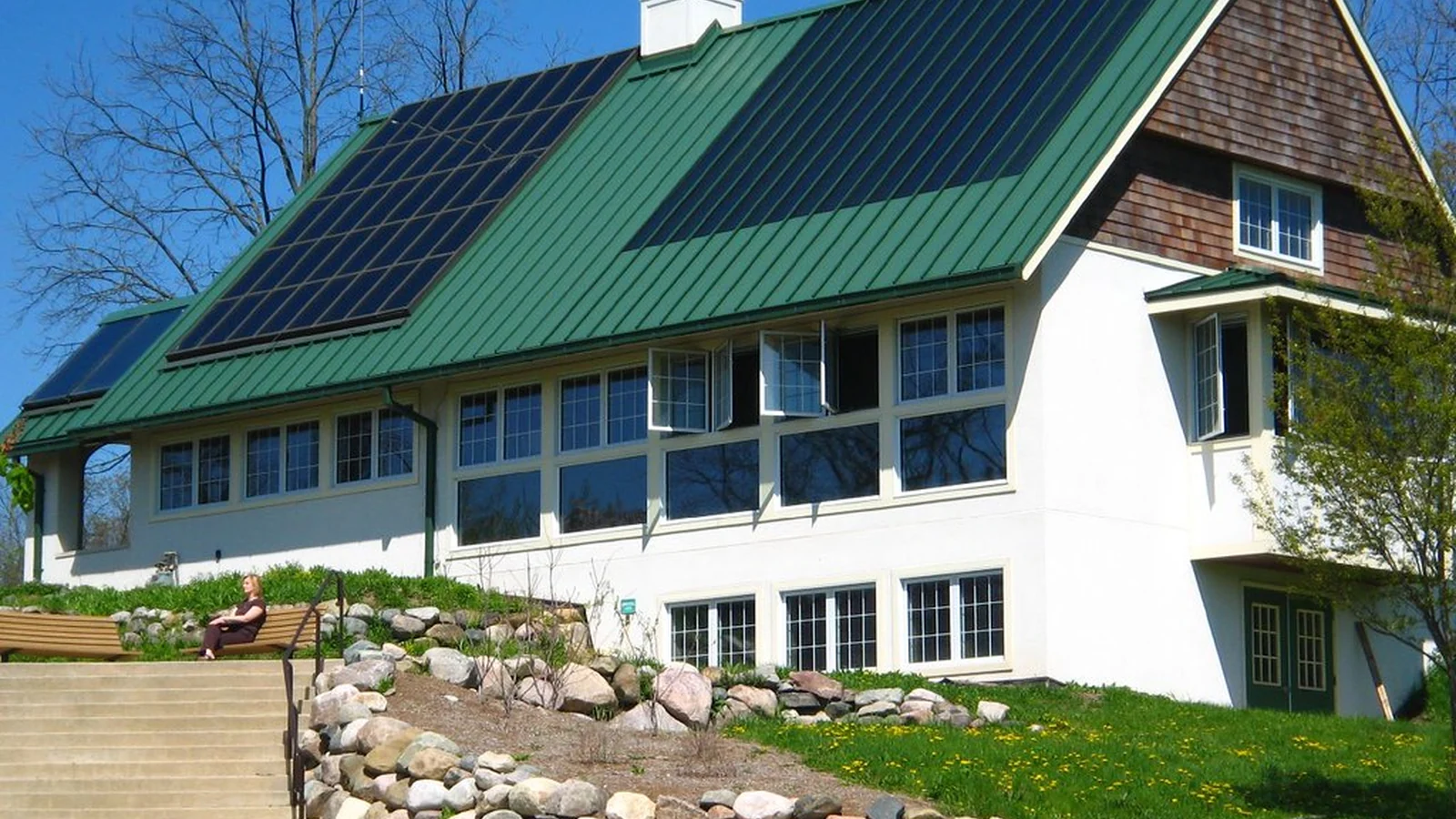
Brazil’s distributed solar sector, long celebrated as one of the fastest-growing renewable segments in Latin America, is experiencing its first year of slowdown in more than a decade.
Evergreen context: use the solar technology context guide to separate market adoption from module capability, then use the production estimator for site-level planning.
From explosive growth to measured expansion
This year, however, the pace has shifted. Industry analysts point to a combination of policy uncertainty, market liberalization, and changing consumer economics as contributing factors.
Segment-by-segment performance
Analysts note that 2025 offered a significant opportunity for high-voltage consumers—such as small businesses and industrial facilities—to migrate to Brazil’s free electricity market. While this change potentially lowers power costs, it can delay or send investment into distributed generation assets.
Regional shifts in solar leadership
The regional dynamics of Brazil’s solar market are evolving. The Southeast remains the leader in new installations, adding 2 GW between January and September 2025. São Paulo continues to dominate with 830 MW, but Minas Gerais has regained momentum at 687 MW, followed closely by Paraná with 600 MW.
This reflects both favorable solar resources in the Northeast and proactive state-level support for renewable projects.
Policy headwinds and market uncertainty
Brazil’s National Electric Energy Agency (Aneel) is reviewing its compensation model for distributed generation, with possible changes that could reduce the financial benefits of rooftop systems. Legislative proposals such as PL 624 and PL 671 aim to boost competition and innovation but may also introduce short-term uncertainty.
The liberalization of the electricity market, while a long-term driver of efficiency, is creating transitional challenges for solar developers and investors. As more consumers gain access to competitive electricity rates, the economic case for installing distributed solar may shift, particularly for commercial and industrial buyers.
Battery storage: the emerging differentiator
While installation rates may slow, technological innovation is reshaping Brazil’s distributed generation landscape. Hybrid systems that pair solar PV with battery storage are gaining traction, offering improved energy autonomy and resilience against grid fluctuations.
For battery buyers, installers, and energy readers, this shift represents a major opportunity: integrated storage solutions not only enhance self-consumption but also position distributed solar as a tool for peak shaving, backup power, and participation in emerging energy markets.
Long-term outlook remains bright
Despite 2025’s slowdown, forecasts remain optimistic.
For stakeholders in the solar and battery sectors, the message is clear: the current dip in annual additions is a pause, not a reversal. The next phase of Brazil’s distributed generation growth will be defined not just by how much capacity is added, but by how intelligently it is integrated with storage, demand management, and grid modernization.
Key takeaways for investors and installers
- Expect near-term moderation in installation volumes due to policy shifts and market liberalization.
- Focus on hybrid PV-plus-storage solutions to maintain competitive advantage.
- Watch for regional growth opportunities, particularly in the Northeast and Central-West.
- Prepare for evolving customer economics as electricity market reforms expand to low-voltage consumers.
In short: while 2025 marks a cooling-off period for Brazil’s distributed solar, the sector’s fundamentals—abundant solar resources, technological progress, and growing consumer demand for energy independence—remain strong. For battery innovators and solar installers alike, the coming years will be about smarter integration and strategic positioning.