

The Solar-Powered Smart City Revolution
Urban centers worldwide are undergoing a fundamental transformation, embracing renewable energy sources to power their increasingly digital infrastructure. At the forefront of this revolution is solar energy—a clean, abundant resource that’s becoming the backbone of sustainable urban development.
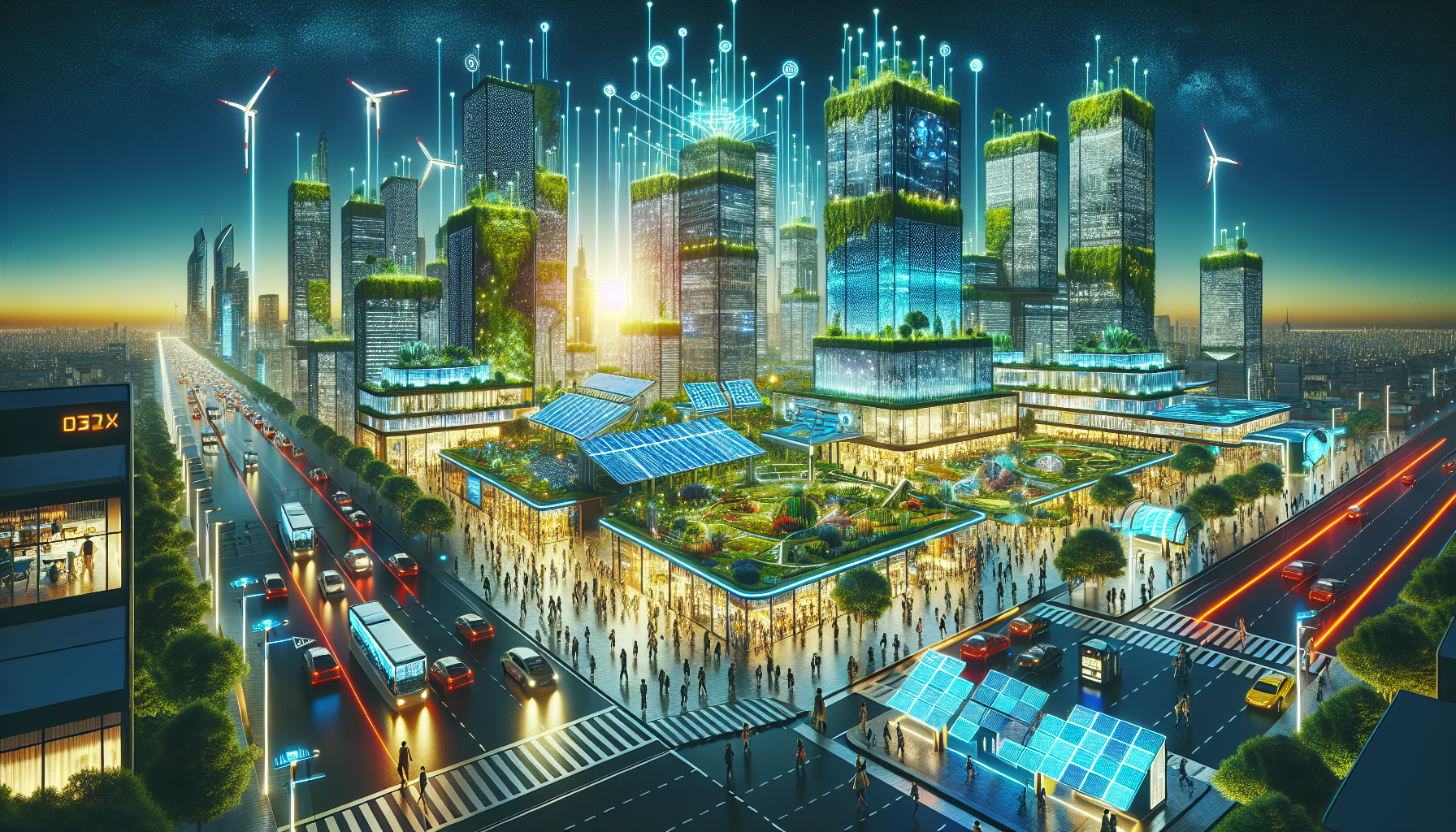
As cities expand and digital technologies proliferate, energy demands continue to rise. Modern smart cities are responding by integrating photovoltaic systems into existing infrastructure, creating resilient power networks that reduce environmental impact while enhancing energy security.
This integration isn’t merely an environmental statement—it’s a practical solution to urban energy challenges that delivers tangible benefits to residents, businesses, and municipal operations. From Copenhagen to Amsterdam, forward-thinking municipalities are demonstrating how solar energy can power everything from public transportation to smart lighting systems while reducing operational costs.
Key Technologies Driving Integration
The technological landscape enabling solar integration in urban environments has evolved dramatically in recent years, with several key innovations leading the charge:
Advanced Photovoltaic Systems
Modern photovoltaic cells have achieved remarkable efficiency gains, now reaching over 25% efficiency—a substantial improvement from the 15% standard a decade ago. This efficiency boost translates directly to more power generated from smaller footprints, a crucial factor in space-constrained urban environments.
Particularly promising are perovskite solar cells, which have witnessed an extraordinary efficiency improvement from just 3.8% in 2009 to over 25% today. These cells offer higher performance at lower manufacturing costs, making them increasingly viable for wide-scale urban deployment.

TopCon Solar Technology
TopCon solar panels are revolutionizing energy efficiency in municipal buildings and commercial sectors. Cities like Copenhagen and Amsterdam have already deployed these high-efficiency panels to maximize generation capacity in limited urban spaces, demonstrating how advanced solar technologies can integrate seamlessly with existing architecture.
Smart Grid Integration
The backbone of solar integration in smart cities is intelligent grid technology. Smart grids equipped with AI-based management platforms enable real-time monitoring, predictive maintenance, and sophisticated demand response capabilities that maximize the value of solar-generated electricity.
These systems allow excess solar energy to power electric vehicles and nearby buildings while stabilizing voltage and managing load fluctuations—capabilities that traditional grids simply cannot match.
IoT Enablement
The Internet of Things (IoT) creates a connected ecosystem that optimizes energy distribution and usage. IoT sensors and smart devices monitor generation, consumption, and environmental conditions in real time, enabling dynamic energy management that adapts to changing conditions throughout the day.
Benefits of Solar Energy in Smart Cities
The integration of solar energy into smart urban infrastructure delivers multiple interconnected benefits:
Environmental Impact
Solar integration dramatically reduces urban carbon footprints. Commercial installations cut direct emissions by 580-750 kg CO2/kW annually, with lifecycle emissions 89% lower than coal-generated power. This reduction directly improves air quality and helps mitigate the urban heat island effect that plagues densely built environments.
Cities like Copenhagen demonstrate how this approach supports broader carbon neutrality goals, with TopCon solar installations contributing significantly to the city’s renewable energy portfolio.
Energy Independence and Resilience
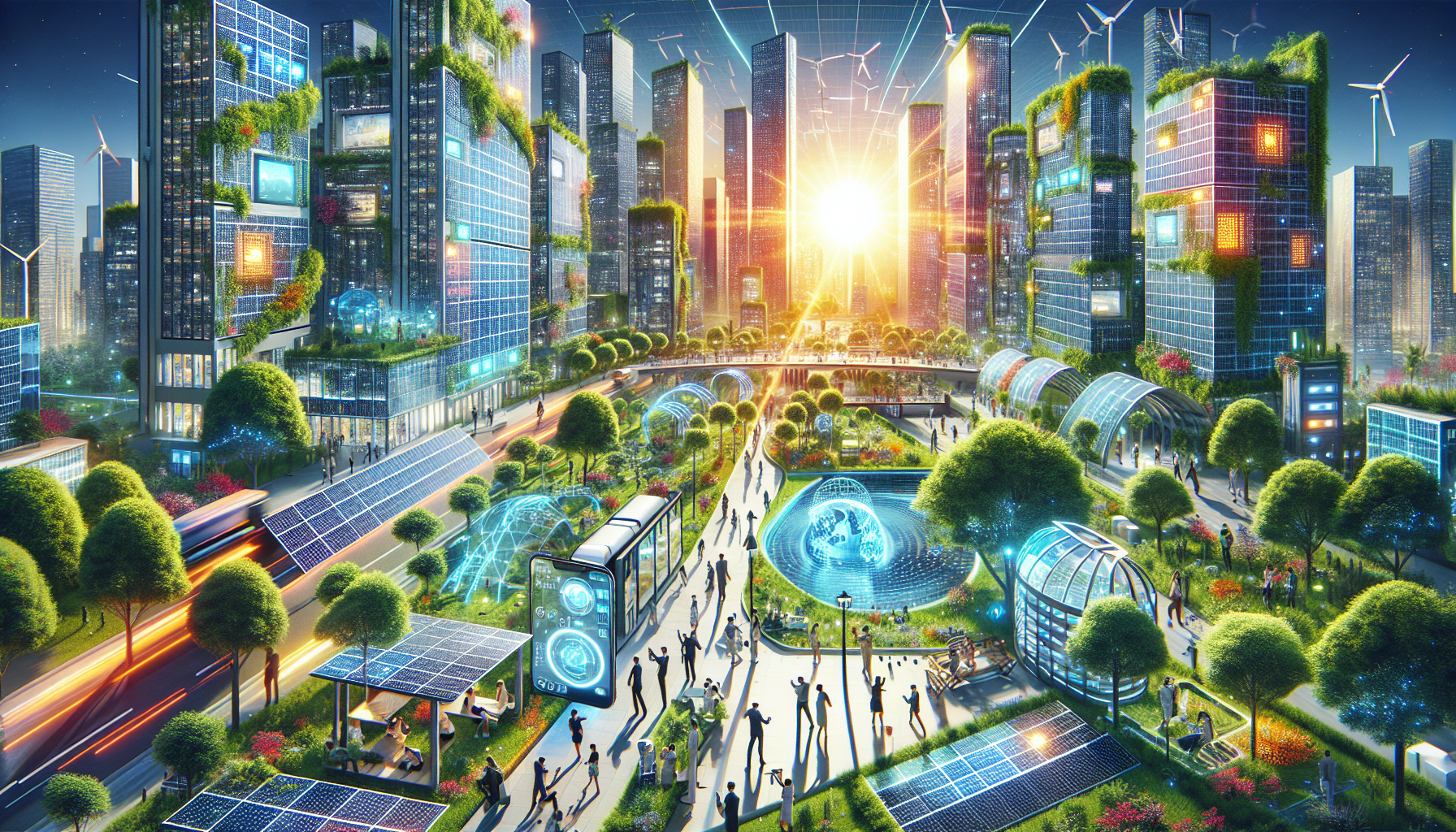
Distributed solar generation reduces reliance on external energy sources and minimizes transmission losses. This localized generation approach creates more resilient urban energy systems that can maintain critical functions during grid disruptions or natural disasters.
Solar-powered microgrids enable neighborhoods or districts to operate independently when necessary, enhancing overall urban resilience—an increasingly valuable capability as climate change intensifies extreme weather events.
Economic Advantages
The economic benefits extend beyond reduced utility bills:
- Decreased municipal energy costs free up budget for other essential services
- Stabilized energy prices protect businesses and residents from market volatility
- New job opportunities emerge in installation, maintenance, and related services
- Property values increase in areas with reliable, renewable energy infrastructure
These economic advantages create a virtuous cycle of investment and innovation that strengthens local economies while advancing sustainability goals.
Challenges and Solutions
Despite its promise, solar integration in smart cities faces several significant challenges:
Initial Investment and ROI Concerns
The high upfront costs of solar infrastructure remain a barrier for many municipalities. This challenge is being addressed through innovative financing models, including public-private partnerships, green bonds, and energy performance contracting.
Cities are also leveraging economies of scale by implementing district-wide projects rather than building-by-building installations, significantly reducing per-unit costs.

Grid Integration Complexity
Integrating variable solar generation with existing grid infrastructure presents technical challenges. Solutions include:
- Advanced energy storage systems that buffer supply/demand mismatches
- Predictive AI algorithms that anticipate generation fluctuations
- Smart demand response systems that shift consumption to match generation patterns
- Virtual power plant platforms that coordinate distributed resources
Projects like Hyllie in Sweden demonstrate how these technologies work together, with 120 m² of PV panels feeding smart grids for local redistribution and EV charging—creating a model for dense urban areas worldwide.
Regulatory and Policy Frameworks
Outdated regulations often impede solar adoption in urban environments. Progressive cities are addressing this by:
- Streamlining permitting processes for solar installations
- Implementing building codes that require solar-readiness in new construction
- Creating incentive programs that reward distributed energy resources
- Developing clear interconnection standards for grid integration
The EU’s mandate for renewable energy adoption exemplifies how policy can drive innovation and implementation at scale.
Future Prospects and Innovations
The future of solar in smart cities appears exceptionally bright, with market projections indicating substantial growth from $1.49 trillion in 2024 to $7.77 trillion by 2034. Several emerging trends will shape this expansion:
Building-Integrated Photovoltaics (BIPV)
Next-generation solar technologies are moving beyond rooftop panels to become integral building components. Solar windows, facades, and construction materials will transform urban structures into power plants without compromising aesthetics or functionality.
This approach maximizes generation potential while eliminating the distinction between energy systems and buildings—a crucial evolution for space-constrained urban environments.
AI-Optimized Energy Management
Artificial intelligence will increasingly coordinate complex urban energy ecosystems. Machine learning algorithms will predict generation patterns, optimize distribution, and balance loads across microgrids with unprecedented precision.
These systems will learn from usage patterns and environmental conditions, continuously improving efficiency and reliability while reducing management complexity for municipal operators.
Vehicle-to-Grid Integration
As electric vehicle adoption accelerates, smart cities are developing bidirectional charging infrastructure that turns vehicle fleets into mobile storage assets. During peak solar generation, excess energy charges these vehicles; during evening demand peaks, they return power to the grid.
This dynamic relationship between transportation and energy systems represents a fundamental shift in how urban infrastructure operates, with solar generation as the common energy currency.
Shining a Light on Tomorrow’s Cities
The integration of solar energy into smart urban infrastructure represents far more than an environmental initiative—it’s a fundamental reimagining of how cities function and serve their residents. From Copenhagen’s carbon neutrality efforts to Amsterdam’s grid optimization projects, pioneering municipalities are demonstrating the practical value of solar-powered urban systems.
For city planners and policymakers, the path forward is clear: invest in the infrastructure that enables solar integration, develop regulatory frameworks that incentivize adoption, and create governance structures that coordinate across traditional departmental boundaries.
The smart cities of tomorrow—resilient, efficient, and sustainable—will be powered by the sun, with distributed generation systems working in concert with intelligent management platforms to create urban environments that are not just less harmful to the planet, but actively beneficial for both residents and the global ecosystem.