• Home
  • Solar Panels
  • Harnessing the Sun: Revolutionizing Transport Infrastructure with Solar Energy

Harnessing the Sun: Revolutionizing Transport Infrastructure with Solar Energy

solar-energy-in-transport-infrastructure

The Power of Solar in Transport

The transportation sector stands at a critical crossroads as climate concerns intensify and urban centers expand. Solar energy—long established in residential and commercial buildings—is now rapidly transforming our transportation networks from passive infrastructure into dynamic power generators.

Today’s integration of photovoltaic (PV) systems into transport infrastructure represents a fundamental shift in how we conceptualize roads, railways, and transit stations. Rather than serving as mere conduits for movement, these structures are becoming active energy producers, generating electricity while fulfilling their primary functions.

A conceptual illustration representing The Power of Solar in Transport. Visualize the main ideas: . Creative but clear representation of the concept. Style: Visual Theme: Clean, modern aesthetic with high contrast and vibrant energy. Emphasize the intersect. high quality, detailed, professional, clean composition, good lighting, sharp focus, well-composed. high quality, professional, detailed, well-composed
The Power of Solar in Transport

This dual-purpose approach is particularly valuable as transport electrification accelerates. According to research from the International Energy Agency’s Photovoltaic Power Systems Programme, solar remains the most scalable renewable energy solution for transportation due to dramatically declining PV costs and its versatility across applications.

From highways embedded with solar cells to railway stations topped with PV arrays, this technology is proving its worth across multiple transportation domains. The concept transforms previously unused surfaces into productive energy assets—whether it’s the vast expanses of highway networks or the rooftops of bus shelters and train platforms.

Benefits of Solar Integration

The strategic incorporation of solar technology into transport infrastructure delivers multiple advantages that extend well beyond simple energy generation:

A conceptual illustration representing Benefits of Solar Integration. Visualize the main ideas: . Creative but clear representation of the concept. Style: Visual Theme: Clean, modern aesthetic with high contrast and vibrant energy. Emphasize the intersect. high quality, detailed, professional, clean composition, good lighting, sharp focus, well-composed. high quality, professional, detailed, well-composed
Benefits of Solar Integration
  • Significant carbon reduction: Transportation accounts for approximately 25% of global CO2 emissions. Solar integration directly addresses this by providing clean energy for electric vehicles and transit systems, creating a truly sustainable mobility ecosystem. Studies show that solar-powered transportation infrastructure can substantially reduce the carbon footprint of both public and private transport networks.
  • Enhanced energy resilience: Solar-equipped transportation networks reduce vulnerability to grid outages and energy price fluctuations. This resilience is particularly crucial for emergency transportation services during extreme weather events, which are increasingly common due to climate change.
  • Economic advantages: While initial investment costs remain a consideration, the ongoing decline in PV technology prices has dramatically improved return-on-investment timelines. Many solar transport projects now demonstrate positive economics over their operational lifespans, with some generating surplus energy that can be fed back to the grid.
  • Space efficiency: By utilizing existing infrastructure surfaces, solar integration overcomes land-use limitations that often constrain renewable energy projects. This approach eliminates the need for additional land acquisition while maximizing energy output from already-developed areas.

Perhaps most importantly, these benefits compound over time. As research demonstrates, the ongoing improvements in photovoltaic efficiency and manufacturing processes continue to enhance performance while reducing costs, making solar transport infrastructure increasingly viable across diverse geographical and economic contexts.

Current Innovations and Projects

Across the globe, solar-powered transportation initiatives are moving beyond conceptual designs to practical implementation. These pioneering projects showcase the diverse applications of solar technology within transport infrastructure:

Solar Roads and Highways

Solar Roadways represents one of the most ambitious concepts in this field—replacing traditional asphalt with specially engineered solar panels protected by tempered glass surfaces designed to withstand vehicle traffic. These systems aim to create self-sustaining highways that generate electricity while supporting normal traffic loads.

Beyond power generation, these solar highways incorporate LED lighting for road markings, heating elements to prevent ice formation, and even wireless charging capabilities for electric vehicles traveling at speeds up to 75 mph. While still evolving technologically, pilot installations have demonstrated proof-of-concept for this transformative approach.

Public Transit Applications

The integration of solar power into public transportation systems shows particular promise. The Spartan Superway, an automated transit network concept, features overhead guideways covered with PV canopies that power driverless vehicles below. This comprehensive design enables 24/7 operation while minimizing external energy requirements.

A conceptual illustration representing Current Innovations and Projects. Visualize the main ideas: . Creative but clear representation of the concept. Style: Visual Theme: Clean, modern aesthetic with high contrast and vibrant energy. Emphasize the intersect. high quality, detailed, professional, clean composition, good lighting, sharp focus, well-composed. high quality, professional, detailed, well-composed
Current Innovations and Projects

India has emerged as a leader in solar railway applications, equipping station rooftops and trackside areas with solar panels to power signaling systems, stations, and eventually the trains themselves. Meanwhile, Sydney has launched solar-powered ferries that demonstrate how maritime transport can benefit from integrated PV systems.

EV Charging Infrastructure

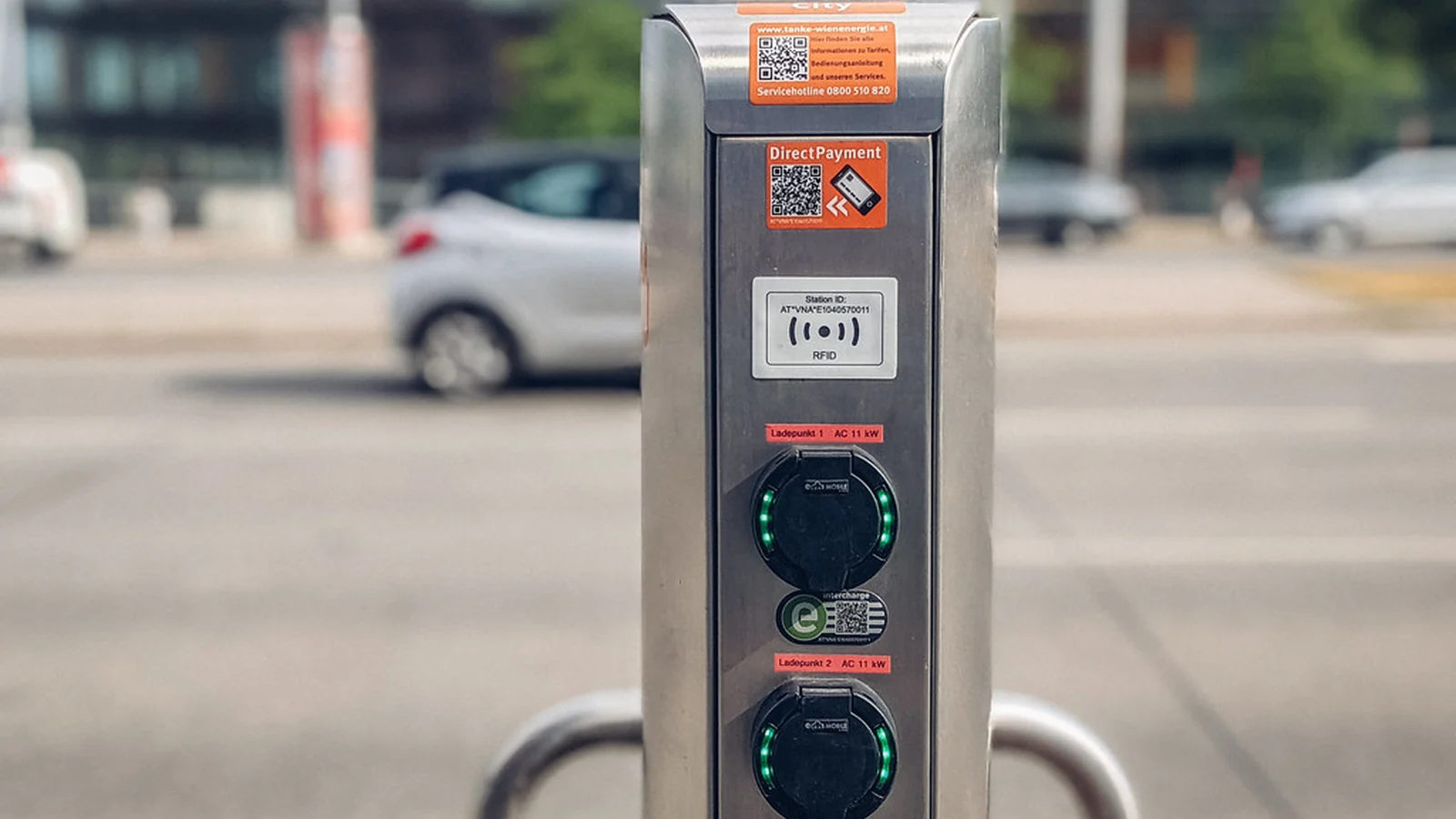
Perhaps the most immediately practical application is solar-powered EV charging stations. These installations, strategically positioned along highways and in parking areas, provide charging capabilities with minimal grid connection requirements.

Advanced implementations incorporate battery storage systems that enable round-the-clock charging regardless of sunlight availability. This approach addresses a critical bottleneck in EV adoption—charging infrastructure—while ensuring that the environmental benefits of electric vehicles aren’t undermined by fossil fuel-based electricity sources.

Hybrid systems that combine solar with wind power, particularly along northern European highway corridors, demonstrate how complementary renewable technologies can overcome intermittency challenges and provide consistent power output across varying weather conditions and seasons.

Challenges and Considerations

Despite significant progress, several obstacles must be addressed for widespread adoption of solar in transport infrastructure:

A conceptual illustration representing Challenges and Considerations. Visualize the main ideas: . Creative but clear representation of the concept. Style: Visual Theme: Clean, modern aesthetic with high contrast and vibrant energy. Emphasize the intersect. high quality, detailed, professional, clean composition, good lighting, sharp focus, well-composed. high quality, professional, detailed, well-composed
Challenges and Considerations
  • Durability requirements: Transport applications demand exceptional durability under harsh conditions. Solar roads, in particular, must withstand not only environmental elements but also the physical stress of constant vehicle traffic while maintaining electrical output. Current materials science advances are gradually addressing these challenges, but further innovation is needed.
  • Initial investment costs: While lifetime economics increasingly favor solar integration, the upfront capital requirements remain substantial. This presents financing challenges, particularly for public agencies operating under budget constraints. New funding models, including public-private partnerships and energy service contracts, are emerging to address this barrier.
  • Integration complexity: Retrofitting existing infrastructure with solar capabilities presents technical challenges beyond those encountered in new construction. Engineers must navigate structural limitations, access restrictions, and operational continuity requirements when adding solar systems to functioning transport networks.
  • Energy storage needs: The intermittent nature of solar generation necessitates effective storage solutions, particularly for critical applications like EV charging and safety systems. Battery technologies continue to evolve rapidly, but integration with transport infrastructure introduces specific space, weight, and safety considerations.

These challenges, while significant, are primarily technical and financial rather than fundamental. The IEA-PVPS research initiatives indicate that coordinated efforts across industry, government, and research institutions are steadily addressing these limitations through targeted innovation and policy support.

The Future of Solar-Powered Transport

Looking ahead, several trends suggest an accelerating integration of solar technology with transportation infrastructure:

Advancements in bifacial solar panels, which capture light reflected from surfaces below, show particular promise for transport applications. These panels can generate up to 30% more electricity in certain installations, improving the economics of integration projects substantially.

The convergence of solar infrastructure with smart city technologies offers compelling synergies. Imagine highways that not only generate power but also communicate with vehicles, optimize traffic flow, and collect environmental data—all powered by integrated PV systems.

Standardization efforts are beginning to address the current fragmentation in design approaches and specifications. These standards will facilitate economies of scale, lower costs, and simplify maintenance across diverse installations.

Beyond technical progress, evolving policy frameworks increasingly recognize the multifaceted value of solar transport infrastructure. Carbon pricing mechanisms, climate resilience requirements, and integrated energy planning approaches are creating more favorable conditions for these dual-purpose investments.

Research from industry innovators suggests that within a decade, new transport infrastructure projects may routinely incorporate solar generation capabilities, representing a fundamental shift in how these assets are designed, financed, and operated.

A Bright Path Forward

The integration of solar energy into transport infrastructure represents far more than an incremental improvement—it fundamentally reimagines the relationship between transportation and energy systems. As we’ve seen, this convergence offers multiple benefits across environmental, economic, and operational dimensions.

For infrastructure planners and policymakers, the message is clear: transport networks should no longer be viewed as energy consumers alone but as potential energy generators. This perspective shift opens new possibilities for funding, designing, and operating these critical systems.

For communities, these technologies offer a visible demonstration of sustainable innovation—turning everyday roads, railways, and transit stations into symbols of progress toward clean energy futures.

The path toward widespread implementation will require continued collaboration across disciplines, sustained investment in materials science and engineering, and supportive policy frameworks. However, the foundation has been established, and pioneering projects worldwide demonstrate both the feasibility and the value of this approach.

As we look toward a future of electrified, interconnected, and resilient transportation, solar integration stands as a cornerstone technology—turning the surfaces that move our society into the surfaces that power it as well.

Leave a Reply

Your email address will not be published. Required fields are marked *