
The Heart of Installation and Maintenance
Proper installation and maintenance form the cornerstone of any successful solar energy system. Far from being mere afterthoughts, these processes determine whether your investment will deliver decades of reliable clean energy or become a source of ongoing frustration and expense.
Installation lays the critical groundwork for system performance, involving the precise configuration of components to function as a cohesive unit. As electrical installation experts note, this initial phase establishes the foundation upon which all future system operation depends. For solar arrays, this means ensuring structural integrity, electrical safety, and optimal positioning for maximum energy harvest.
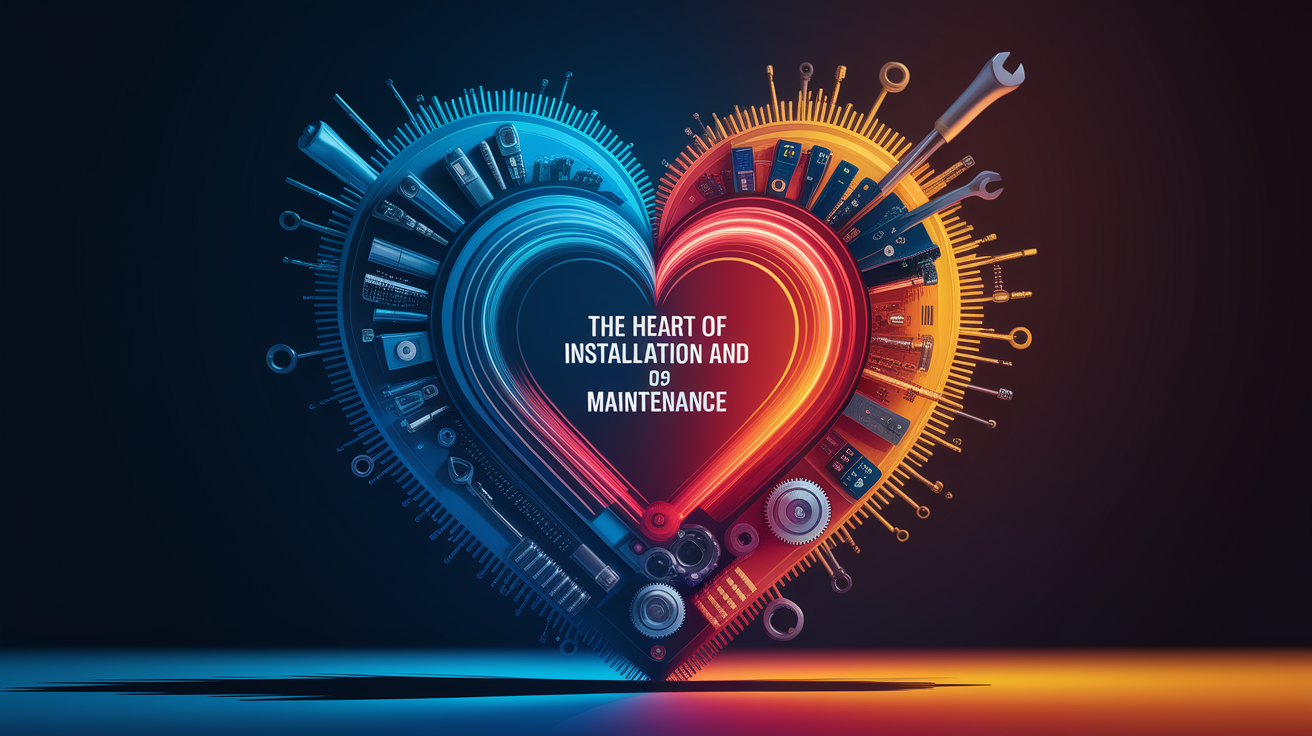
Maintenance, meanwhile, preserves and extends system functionality through regular inspections, cleaning, and timely repairs. The most successful solar installations pair robust installation protocols with comprehensive maintenance strategies, creating systems that consistently outperform those with haphazard upkeep schedules.
Professional solar installations typically deliver:
- 20-30% higher energy production compared to DIY approaches
- Significantly lower failure rates during extreme weather
- Valid warranty protection (often voided by improper installation)
- Compliant systems that pass inspection and qualify for incentives
Step-by-Step Installation Process
Understanding the solar installation process helps system owners appreciate the complexity involved and recognize quality workmanship. Professional installation follows a methodical approach that ensures safety, performance, and code compliance.
1. Site Assessment and System Design
Every successful installation begins with thorough evaluation of the property’s solar potential, structural capacity, and electrical infrastructure. Engineers analyze roof orientation, shading patterns, and local weather data to design a system that maximizes energy harvest while respecting electrical installation requirements.
2. Permitting and Documentation
Before installation begins, professionals secure necessary permits from local authorities, utilities, and homeowners associations. This critical step ensures the system meets all safety codes and can be legally connected to the grid.
3. Equipment Selection and Procurement
Based on the system design, installers source appropriate panels, inverters, mounting hardware, and balance-of-system components. Quality control begins here, with verification of equipment specifications and compatibility.
4. Physical Installation
The installation team executes the mounting of racking systems, placement of panels, and installation of electrical components following manufacturer guidelines and industry best practices. This phase requires precise attention to:
- Structural attachment points and waterproofing
- Panel alignment and spacing
- Proper wire management and conduit installation
- Grounding and lightning protection systems
5. Electrical Connections and Safety Testing
Licensed electricians complete all wiring connections, install disconnect switches, and integrate monitoring systems. Comprehensive testing verifies proper voltage levels, polarity, and grounding before the system is energized.
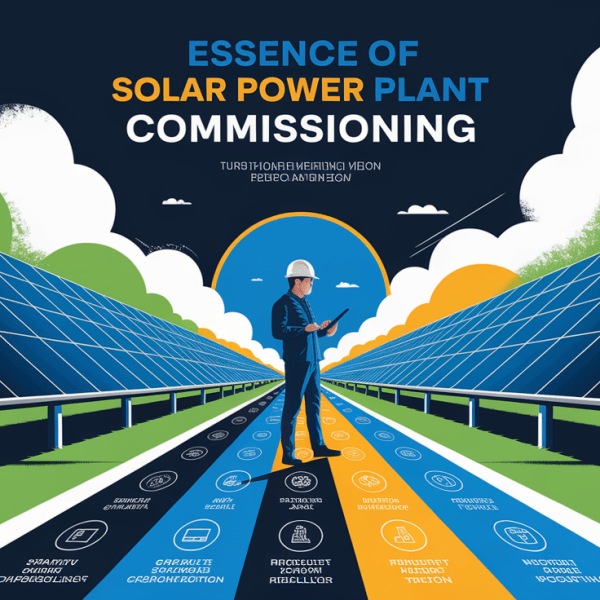
6. Commissioning and Monitoring Setup
The final installation step involves activating the system, configuring monitoring platforms, and verifying performance against design specifications. Installers document baseline performance metrics that serve as references for future maintenance.
Maintenance: Keeping Systems Running Smoothly
Solar systems are remarkably reliable, but even the most robust installations require regular attention to maintain peak performance. Different maintenance approaches offer varying benefits, with most solar professionals recommending a combined strategy.
Preventive Maintenance: The Foundation
Scheduled preventive maintenance forms the backbone of solar system care, typically accounting for 80% of maintenance activities. These planned interventions include:
- Panel cleaning to remove dust, pollen, and bird droppings (typically 2-4 times annually)
- Visual inspections for physical damage, loose connections, or corrosion
- Verification of mounting system integrity and roof penetration seals
- Electrical testing of connections, inverters, and safety systems
- Vegetation management to prevent shading
Data shows that consistent planned maintenance can preserve up to 98% of a solar system’s original efficiency throughout its operational life.

Corrective and Reactive Maintenance
When components fail or perform below expectations, corrective maintenance addresses specific issues through repair or replacement. While some reactive maintenance is inevitable, proper electrical maintenance procedures can minimize these costly interventions.
Predictive Maintenance: The Future
Advanced monitoring systems now enable predictive maintenance by analyzing performance data to identify potential issues before they cause failures. This approach allows service technicians to address:
- Declining inverter efficiency before complete failure
- String or module underperformance
- Developing hot spots or microcracks
- Early signs of connection degradation
As industrial maintenance experts recognize, this data-driven approach minimizes downtime and maximizes system output over its lifetime.
Tips and Tricks for Optimal Performance
Whether you’re managing a residential rooftop system or a utility-scale solar farm, these practical strategies will help maintain peak performance:
Develop a Comprehensive Maintenance Schedule
Create a maintenance schedule that accounts for seasonal factors, manufacturer recommendations, and system-specific needs. Document all maintenance activities, observations, and performance metrics to build a service history that helps identify trends.
Invest in Professional Inspections
While basic visual checks can be performed by system owners, annual professional inspections using specialized diagnostic tools often identify issues invisible to the naked eye. Thermal imaging, I-V curve tracing, and electroluminescence testing can detect:
- Cell microcracking and hot spots
- Bypass diode failures
- Junction box issues
- Potential-induced degradation
Monitor Performance Continuously
Modern monitoring systems provide real-time performance data that serves as an early warning system for maintenance needs. Set up alerts for production drops exceeding 5%, which often indicate actionable issues rather than normal weather variations.

Master the Maintenance-Installation Connection
Recognize how initial installation decisions impact long-term maintenance requirements. Systems designed with maintenance access, quality components, and proper clearances typically enjoy 15-25% lower lifetime maintenance costs.
As infrastructure maintenance guidelines emphasize, the quality of initial installation dramatically affects the complexity and cost of ongoing maintenance throughout a system’s operational life.
The Final Word: Ensuring Success
The difference between a solar system that delivers consistent returns and one that becomes a financial burden often comes down to installation quality and maintenance discipline. By approaching both processes with appropriate attention and resources, system owners can ensure decades of reliable clean energy production.
Remember that proper documentation, from installation specifications to maintenance records, not only facilitates effective system care but also protects warranty coverage and supports resale value. Whether managing a residential system or commercial installation, these fundamental principles apply across scales and technologies.
The solar industry continues to evolve rapidly, but the importance of quality installation and consistent maintenance remains constant—they are investments in performance that pay dividends with every kilowatt-hour generated.