Urban Solar Projects: Case Studies, Design Choices, and Lessons
Explaining Urban Solar Initiatives
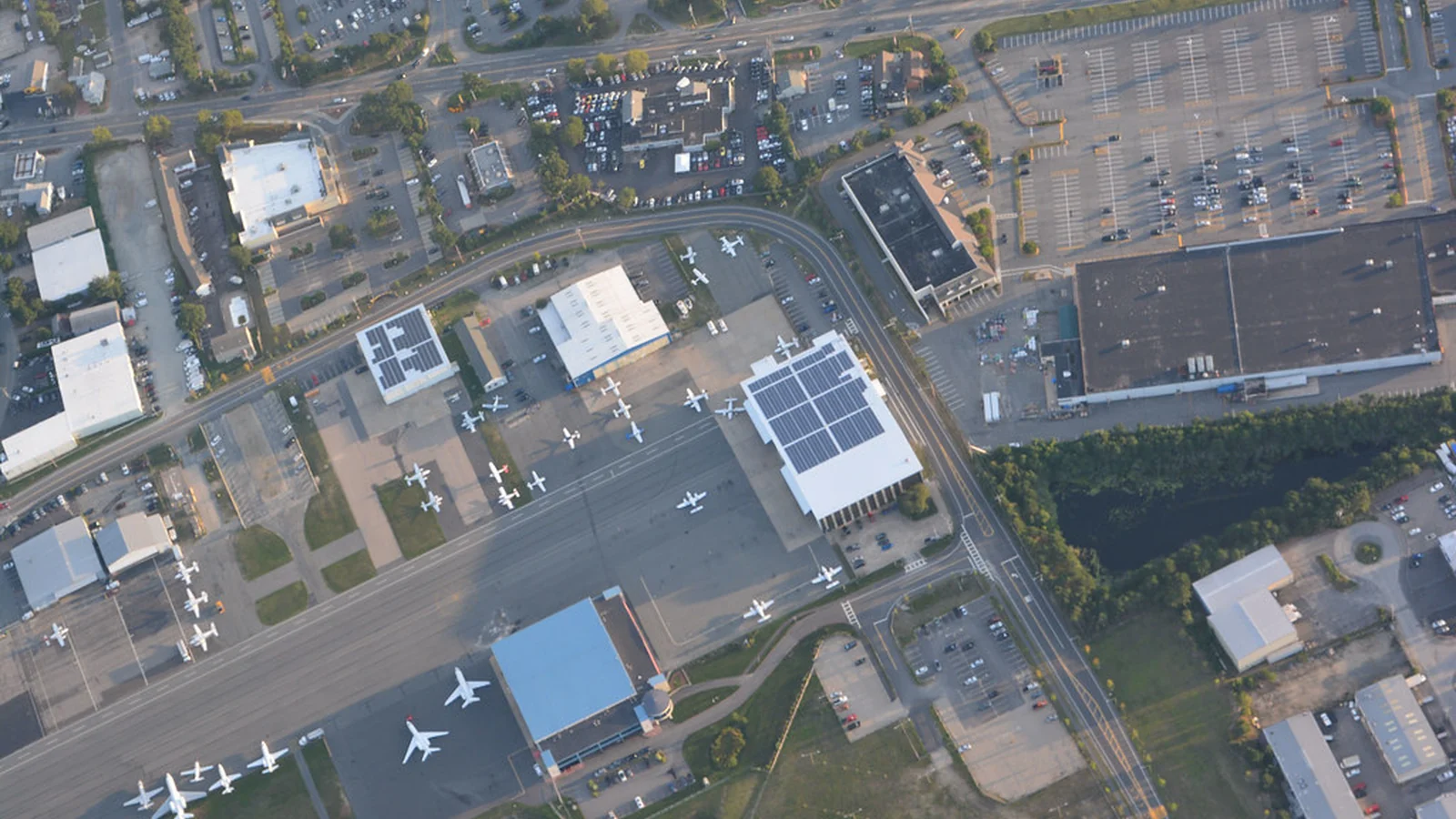
Urban centers stand at the crossroads of our energy future. The deployment of photovoltaic systems in densely populated environments delivers a triple dividend: reduced energy costs, lowered carbon footprints, and enhanced energy resilience for communities.
Today's urban solar initiatives extend far beyond conventional rooftop installations. Innovative approaches include:
- Building-integrated photovoltaics (BIPV) that transform facades into power generators
- Transparent solar panels that double as windows while harvesting energy
- Solar canopies over parking structures that provide shade while generating electricity
- Solar-powered streetlights and EV charging stations that enhance urban infrastructure
These technologies are reshaping cityscapes in global metropolitan areas from Amsterdam to Singapore, creating pathways to energy transition while maintaining urban aesthetics and functionality. Let's examine how three major cities have successfully implemented solar initiatives and the lessons their journeys offer.
Case Study 1: New York City's Solar Transformation
New York City embodies the challenge of implementing renewable energy in a vertical, space-constrained urban environment. Despite these limitations, the city has achieved reported solar growth through strategic planning and policy innovation.
Key components of NYC's approach include:
- Streamlined permitting processes through the NYC DOB Hub
- Community solar programs that extend benefits to renters and those without suitable rooftops
One standout project mirrors successful models seen in New Jersey's community solar pilots, where low-to-moderate income (LMI) residents receive 10-15% discounts on electricity through solar installations on public buildings. The Brooklyn Microgrid further demonstrates innovation through blockchain-enabled peer-to-peer energy trading, allowing neighbors to buy and sell locally produced solar energy.
Case Study 2: San Francisco's Solar Pioneering
San Francisco has established itself as a solar pioneer through early adoption and ambitious policies.
The city's 2008 GoSolarSF incentive program jumpstarted adoption by providing direct financial assistance to residents and businesses installing solar systems. This initiative, coupled with California's favorable net metering policies, has led to significant deployment across diverse neighborhoods.
The city's comprehensive approach demonstrates how municipal leadership can drive solar adoption while ensuring equitable distribution of benefits.
Case Study 3: Solar Expansion in Berlin
Berlin's solar transformation exemplifies Germany's broader Energiewende (energy transition) and offers valuable lessons for cities worldwide. Following the national commitment to renewable energy, Berlin has implemented a comprehensive solar strategy that leverages both public and private sector participation.
Similar to Freiburg's solar urbanism model, Berlin now generates over 40% of its electricity from renewable sources, with rooftop solar playing an increasingly significant role. The city's Solar Atlas—an interactive tool mapping solar potential for every building—has democratized access to installation data and spurred adoption.
Key initiatives driving Berlin's solar expansion include:
- The MieterstromModel (tenant electricity model) enabling apartment dwellers to benefit from rooftop solar
- Public-private partnerships that have transformed former industrial sites into solar parks
- Integration of solar requirements into new construction codes and building renovations
The Adlershof Science and Technology Park stands out as a showcase project, featuring innovative building-integrated solar solutions across a 4.2 square kilometer campus. These installations serve the dual purpose of advancing research while providing practical renewable energy to this innovation hub.
Berlin's approach demonstrates how post-industrial cities can leverage existing infrastructure for solar deployment while creating inclusive models that extend benefits to renters and apartment dwellers.
Lessons Learned from Urban Solar Initiatives
Analysis of these case studies and others from urban installations across the U.S. reveals several key factors that determine success in urban solar deployment:
Successful urban solar programs prioritize community involvement through workshops, demonstration projects, and inclusive planning processes. When residents understand and help shape solar initiatives, adoption rates accelerate and projects gain longevity.
Policy Framework Matters
Cities with streamlined permitting, solar-friendly zoning codes, and financial incentives consistently show higher adoption rates. According to economic modeling of urban PV systems, policy stability is often more important than subsidy amounts in driving long-term growth.
Multi-Benefit Approaches Gain Traction
The most successful projects deliver more than just electricity—they provide shade, reduce urban heat island effects, enhance public spaces, or improve resilience. For example, solar streetlights with motion sensors reduce crime while cutting energy costs.
Financial Innovation Expands Access
Community solar, power purchase agreements, and solar leasing have dramatically expanded access beyond property owners with suitable rooftops. These models are essential for achieving equitable distribution of solar benefits.
Cities that approach solar deployment as part of comprehensive climate action and resilience planning—rather than isolated technology projects—achieve more significant results that enhance quality of life across multiple dimensions.
Bright Futures: The Impact of Urban Solar
Moving forward, several trends will shape urban solar development:
- Integration of solar with energy storage and smart grid technologies to enhance resilience
- Expanded use of artificial intelligence to optimize system performance in complex urban environments
- Development of more aesthetically pleasing solar solutions for historic districts and design-conscious communities
- Leveraging solar as a component of comprehensive urban climate adaptation strategies
For city planners, policymakers, and sustainability professionals, these case studies offer a clear message: urban solar is not just technically feasible but economically advantageous and socially beneficial when implemented thoughtfully. As demonstrated in Melbourne's documented public building installations, transparent reporting and knowledge sharing accelerate adoption across diverse urban contexts.
How to verify the numbers on this page
This page covers Urban Solar Projects: Case Studies, Design Choices, and Lessons. Figures here depend on the exact model, site, policy, study, test method, operating conditions, system boundaries, and comparison baseline. Verify current manufacturer, regulator, standard, or primary-research documents before acting.