
Morocco is positioning itself as a major new player in the global solar supply chain, following the signing of an $800 million agreement to build a high-capacity polysilicon production facility in the southwestern province of Tan-Tan. The deal, struck between Morocco’s Ministry of Investment and GPM Holding Group, will see the creation of a plant capable of producing up to 30,000 metric tons of polysilicon annually, with 85% earmarked for export to international markets.
According to Morocco World News, the facility has been designated a project of “strategic importance” by Morocco’s National Investment Commission, reflecting its potential to reshape both the domestic renewable energy sector and Morocco’s role in the global solar value chain.
Why Polysilicon Matters for Battery and Solar Enthusiasts
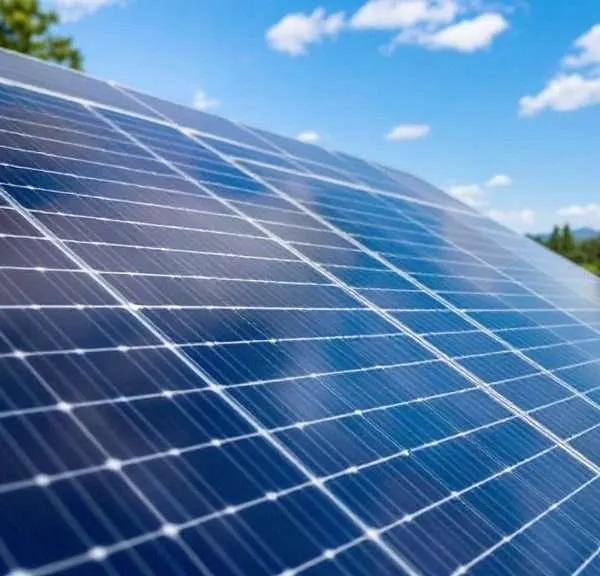
Polysilicon—a purified form of silicon—is a critical raw material for photovoltaic (PV) cells, which convert sunlight into electricity. High-purity polysilicon is essential for manufacturing efficient solar panels and, in turn, for building robust energy storage systems that can store surplus solar energy for later use.
For battery enthusiasts and energy professionals, Morocco’s move to produce polysilicon domestically is significant because it addresses two pressing industry challenges:
- Supply Chain Security: As Taiyang News notes, China currently accounts for over 90% of global polysilicon output. Morocco’s entry into the market diversifies sourcing options, reducing vulnerability to geopolitical and logistical disruptions.
- Cost Stability: Local production mitigates import dependency, potentially lowering costs for regional solar and battery manufacturers and shielding them from price volatility.
Economic Ripple Effects in Morocco
The Tan-Tan plant is expected to generate 1,500 direct jobs and more than 2,000 indirect jobs, according to Ecofin Agency. Beyond employment, the project will catalyze industrial diversification in Guelmim-Oued Noun, attracting ancillary industries such as solar panel assembly, inverter manufacturing, and logistics services.
Regional authorities, in partnership with GPM Holding, will implement workforce training programs aimed at building specialized skills in semiconductor processing and renewable energy technologies. This targeted skills development is expected to elevate Morocco’s technical capacity and position the country as a manufacturing hub for clean energy components.
Global Market Implications
The launch of Morocco’s polysilicon production signals a potential turning point in the global solar market. As noted by PV KnowHow, the plant’s production scale and technological sophistication could make Morocco a preferred supplier for European and African markets seeking high-purity polysilicon outside of Asia.
For Europe, which is accelerating its renewable energy deployment while aiming to localize supply chains, Morocco’s proximity and trade relationships could offer a strategically advantageous source of raw materials. For African nations, Morocco’s capacity-building could serve as a regional model for industrializing renewable energy supply chains.
Technology and Sustainability
The facility will produce both metallurgical-grade and high-purity polysilicon using advanced, energy-efficient processes. These methods aim to minimize carbon emissions during production, aligning with Morocco’s pledge to achieve carbon neutrality in the coming decades.
Described as a “green” polysilicon plant by Ecofin Agency, the project integrates sustainable water use strategies and waste management systems—critical considerations in the arid Tan-Tan region. This approach sets a precedent for environmentally responsible industrial manufacturing in Africa.
Strategic Partnerships Driving Success
The project is underpinned by a cooperation protocol between the Ministry of Investment, GPM Holding, Tan-Tan provincial authorities, and the regional administration of Guelmim-Oued Noun. This institutional framework ensures alignment between national energy policy, local economic objectives, and private-sector investment.
Such multi-level collaboration is vital to sustaining large-scale industrial projects, particularly in emerging markets where infrastructure development and workforce readiness are key challenges.
Takeaways for the Energy Storage Community
- New Supply Chain Opportunities: Battery and solar manufacturers in Europe and Africa could benefit from a reliable, non-Asian source of high-quality polysilicon.
- Cost and Lead Time Advantages: Shorter shipping routes from Morocco to target markets may reduce lead times and logistics costs.
- Alignment with Sustainability Goals: The plant’s low-carbon production methods support corporate sustainability targets for clean energy companies.
Conclusion
Morocco’s $800 million polysilicon venture is more than an industrial investment—it’s a strategic play in the evolving renewable energy landscape. By securing a place in the upstream solar supply chain, Morocco is not only reinforcing its domestic energy independence but also positioning itself as a critical partner for regions seeking diversified, sustainable, and resilient sources of clean energy materials.
For battery enthusiasts, the ripple effects could be substantial: more predictable component availability, potential price stabilization, and accelerated integration of solar-plus-storage systems across diverse markets. As the Tan-Tan plant comes online, the energy storage sector will be watching closely—because when upstream innovation meets downstream demand, the results can redefine an entire industry.