Solar Supply Chain Risks and Resilience
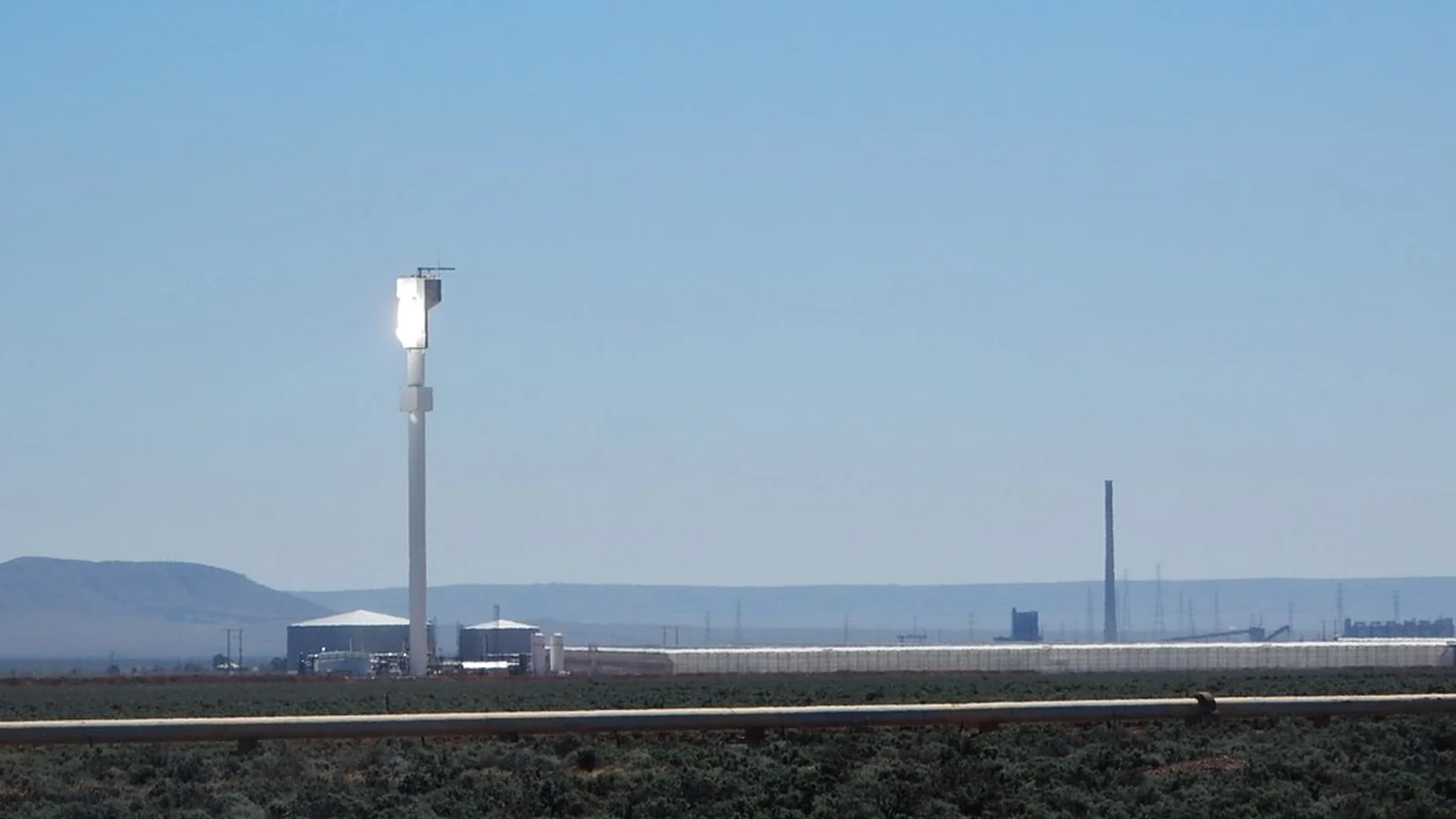
In the Shadow of the Sun: Understanding Solar Supply Chain Risks and Resilience
The global solar industry, a cornerstone of the renewable energy transition, faces mounting supply chain vulnerabilities that threaten its growth trajectory. From raw materials shortages to geopolitical risks, the challenges to solar panel manufacturing and photovoltaic cell production are complex and interconnected. Supply chain resilience—defined as the capacity to withstand and recover from disruptions—is emerging as a critical priority for manufacturers, policymakers, and investors alike.
Natural disasters, cybersecurity threats, logistics challenges, and geopolitical tensions, especially reliance on China’s solar manufacturing capacity, underscore the sector's fragility. Without robust risk mitigation strategies, supply chain disruptions could delay solar module production, inflate costs, and undermine energy security targets worldwide.
Identifying Critical Risks in the Solar Supply Chain
Key risk factors shaping the solar supply chain include:
- Natural Disasters & Climate Change: Floods, hurricanes, and heatwaves threaten manufacturing sites and transportation networks, reducing access to silicon wafers, polysilicon, and other essential raw materials (source).
- Cybersecurity Threats: Digitalized production workflows for solar inverters, modules, and components face heightened risks from hacking, ransomware, and data breaches (source).
- Geopolitical Risks: Heavy dependency on China’s supply of polysilicon and other inputs—compounded by trade tariffs and export restrictions—exposes the industry to market concentration volatility (source).
- Logistics Challenges: Transportation bottlenecks, port delays, and workforce shortages hinder the timely delivery of solar panels and components.
These vulnerabilities are amplified by semiconductor shortages, environmental regulations, and quality control issues, making comprehensive solar supply chain risk assessment strategies imperative.
Assessing the Impact of Supply Chain Disruptions
Disruptions to solar supply chains can ripple across the global solar market, affecting production schedules, cost structures, and deployment timelines. A raw materials shortage, such as limited access to high-purity polysilicon, can delay module assembly and trigger price volatility. Logistics setbacks—whether caused by extreme weather or geopolitical tensions—add lead time to projects and limit manufacturing capacity.
The cascading effects include reduced renewable energy adoption rates, compromised business continuity, and greater exposure to regulatory compliance issues. For energy security, the stakes are high: prolonged supply chain disruptions directly undermine national solar installation targets and climate pledges.
Strategies to Enhance Supply Chain Resilience
Industry observers, including analysis from Intertek, recommend comprehensive resilience measures to safeguard solar production:
- Supplier Diversification: Reduce dependency on single-country sources by building relationships across multiple geographies.
- Nearshoring Strategies: Increase domestic or regional manufacturing capacity to mitigate transportation bottlenecks.
- Inventory Management: Implement buffer stock and just-in-case strategies to protect against long lead times.
- Vertical Integration: Control more stages of the production process to manage quality, technology transfer, and cost volatility.
- Risk Mitigation Infrastructure: Invest in climate-resilient facilities, redundant logistics networks, and robust cybersecurity protocols.
Real-World Examples and Best Practices
The solar industry offers several models of resilience. India’s National Solar Energy Federation has worked to diversify PV supply sources, while the European Union’s investment in domestic polysilicon production supports sustainable growth (source). In the United States, the Department of Energy’s recent Four-Year Review of Supply Chains charts strategies for reducing reliance on foreign entities and boosting domestic solar module production.
Private sector leaders are adopting blockchain for supply chain transparency, investing in local workforce development, and implementing independent audits to improve quality control. These initiatives not only reduce vulnerabilities but also enhance market competitiveness.
Sunrise of Resilience: Charting What Comes Next for Solar Supply Chains
As the renewable energy market accelerates, building resilient solar supply chains will determine the pace and sustainability of global solar adoption. Companies that embrace supplier diversification, invest in local manufacturing, and commit to regulatory compliance will be better positioned to navigate future disruptions.
The industry’s pathway forward hinges on proactive planning—integrating climate adaptation, technological innovation, and transparent governance into the solar supply chain framework.
How to verify the numbers on this page
This page covers Solar Supply Chain Risks and Resilience. Figures here depend on the exact model, site, policy, study, test method, operating conditions, system boundaries, and comparison baseline. Verify current manufacturer, regulator, standard, or primary-research documents before acting.